- News
- Nov 16, 2026
- 7 min read
How a jet management deal adds scale without losing identity
An eight-aircraft agreement adds midsize, super-midsize and heavy-jet capacity to an expanded operating platform while Fly Alliance retains its customer brand.
Batuhan Altindag


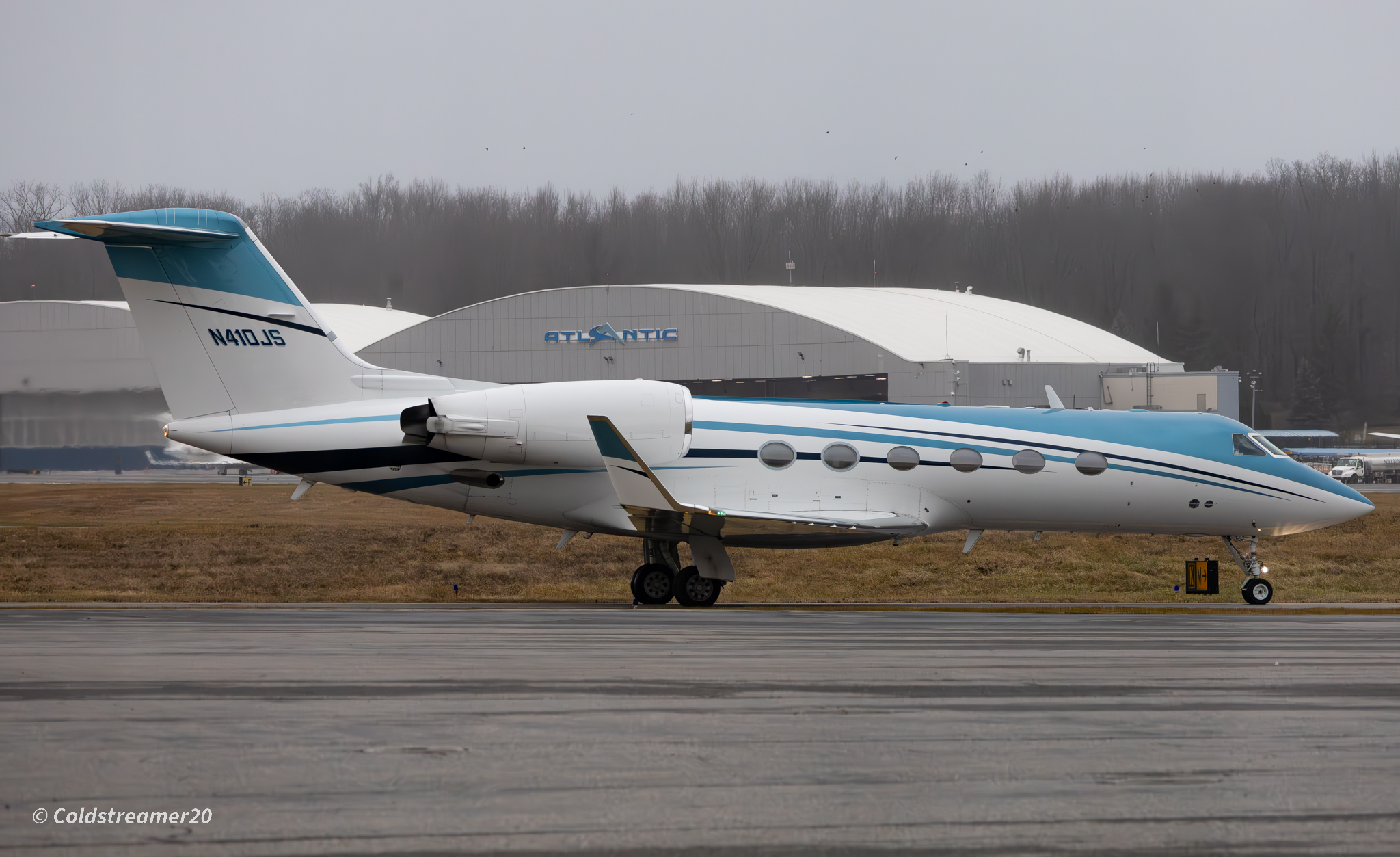
From two partner-owned jets in 2015 to 82 owned and leased aircraft by year-end 2025, flyExclusive has expanded rapidly. Its agreement with Fly Alliance extends that growth.
The agreement is expected to bring approximately eight Fly Alliance aircraft onto flyExclusive's operating platform, alongside an existing customer base of roughly 350 members and 30 fractional owners. Fly Alliance will retain its brand, ownership and direct customer relationships while gaining access to flyExclusive's operating infrastructure.
A Separate Brand, a Shared Operating Foundation
Continuity comes first for Fly Alliance.
AIN’s November 2026 coverage confirms that Fly Alliance retains its brand and customer-facing business and continues under CEO Christopher Tasca. Existing members keep their Fly Alliance relationships and gain access to flyExclusive’s fleet through dedicated membership offerings.
The distinction matters for both companies. A management services agreement doesn't, by itself, mean that one brand will disappear into another as the two businesses combine operating resources. Fly Alliance keeps the relationships through which customers buy and arrange flights; flyExclusive supplies the operational support behind those relationships.
For a family office, execution matters more than corporate identity. Who confirms the aircraft? Who handles a maintenance disruption? Which membership terms govern wider fleet access? Buyers should settle those questions before assuming that a broader network will reliably deliver better aircraft availability when they need it.
Personal service must survive the handover.
More Cabin Choice, Without Unsupported Promises
The aircraft mix gives the agreement weight. AIN’s November 2026 coverage identifies midsize, super-midsize and heavy-jet capacity, including Gulfstreams, within the group of aircraft joining the platform.
That range could help customers match aircraft to missions: a smaller cabin for a short business trip, a larger one when more passengers travel or the itinerary calls for extra space. Category labels don't settle the details. The companies have not disclosed the specific aircraft models, cabin configurations or performance figures involved in the initial integration. Customers will therefore need to confirm individual aircraft capabilities and availability before booking.
Buyers have good reason for restraint. The Gulfstream name carries stature, but the aircraft itself, its interior condition and its contractual availability determine the journey’s value.
The Business Case Behind the Partnership
Eight aircraft are the starting point.
According to flyExclusive’s November 2026 announcement, additional aircraft may join its platform as the relationship develops and the two businesses pursue growth. Fly Alliance will keep pursuing charter, jet card, fractional ownership and aircraft management opportunities, while flyExclusive expands its managed-aircraft business.
The operating logic is straightforward. More aircraft and customer demand feed an existing support organisation, rather than requiring the businesses to duplicate every support function. Better utilisation and efficiency remain objectives, not demonstrated results. Adding aircraft creates an opening; integrating maintenance planning, aircraft availability and customer expectations determines whether the business earns a return.
The strategy has an earlier precedent. Corporate Jet Investor reported in September 2024 that the company entered an aircraft management services agreement with Volato, taking on fleet management responsibilities. The Fly Alliance arrangement extends that broader platform approach, although buyers shouldn't assume the two separate agreements carry identical terms.
What Owners Should Take Away
The agreement’s strongest feature is its division of responsibilities: Fly Alliance preserves the customer relationship while the companies pool operational resources behind it.
Members should judge the aircraft and response. The test is whether wider fleet access delivers suitable aircraft when required without weakening the responsiveness members expect from their provider. Owners face a different management test. They need disciplined aircraft management and transparent economics, rather than fleet growth alone.
The partnership offers a credible route to greater scale while preserving a distinct service identity for the customers who know it. Execution will determine its premium: the right cabin, a clear commitment and a departure that happens as promised.
Sources
From two partner-owned jets in 2015 to 82 owned and leased aircraft by year-end 2025, flyExclusive has expanded rapidly. Its agreement with Fly Alliance extends that growth.
The agreement is expected to bring approximately eight Fly Alliance aircraft onto flyExclusive's operating platform, alongside an existing customer base of roughly 350 members and 30 fractional owners. Fly Alliance will retain its brand, ownership and direct customer relationships while gaining access to flyExclusive's operating infrastructure.
A Separate Brand, a Shared Operating Foundation
Continuity comes first for Fly Alliance.
AIN’s November 2026 coverage confirms that Fly Alliance retains its brand and customer-facing business and continues under CEO Christopher Tasca. Existing members keep their Fly Alliance relationships and gain access to flyExclusive’s fleet through dedicated membership offerings.
The distinction matters for both companies. A management services agreement doesn't, by itself, mean that one brand will disappear into another as the two businesses combine operating resources. Fly Alliance keeps the relationships through which customers buy and arrange flights; flyExclusive supplies the operational support behind those relationships.
For a family office, execution matters more than corporate identity. Who confirms the aircraft? Who handles a maintenance disruption? Which membership terms govern wider fleet access? Buyers should settle those questions before assuming that a broader network will reliably deliver better aircraft availability when they need it.
Personal service must survive the handover.

Sponsored by Jet24 global
More Cabin Choice, Without Unsupported Promises
The aircraft mix gives the agreement weight. AIN’s November 2026 coverage identifies midsize, super-midsize and heavy-jet capacity, including Gulfstreams, within the group of aircraft joining the platform.
That range could help customers match aircraft to missions: a smaller cabin for a short business trip, a larger one when more passengers travel or the itinerary calls for extra space. Category labels don't settle the details. The companies have not disclosed the specific aircraft models, cabin configurations or performance figures involved in the initial integration. Customers will therefore need to confirm individual aircraft capabilities and availability before booking.
Buyers have good reason for restraint. The Gulfstream name carries stature, but the aircraft itself, its interior condition and its contractual availability determine the journey’s value.
The Business Case Behind the Partnership
Eight aircraft are the starting point.
According to flyExclusive’s November 2026 announcement, additional aircraft may join its platform as the relationship develops and the two businesses pursue growth. Fly Alliance will keep pursuing charter, jet card, fractional ownership and aircraft management opportunities, while flyExclusive expands its managed-aircraft business.
The operating logic is straightforward. More aircraft and customer demand feed an existing support organisation, rather than requiring the businesses to duplicate every support function. Better utilisation and efficiency remain objectives, not demonstrated results. Adding aircraft creates an opening; integrating maintenance planning, aircraft availability and customer expectations determines whether the business earns a return.
The strategy has an earlier precedent. Corporate Jet Investor reported in September 2024 that the company entered an aircraft management services agreement with Volato, taking on fleet management responsibilities. The Fly Alliance arrangement extends that broader platform approach, although buyers shouldn't assume the two separate agreements carry identical terms.
What Owners Should Take Away
The agreement’s strongest feature is its division of responsibilities: Fly Alliance preserves the customer relationship while the companies pool operational resources behind it.
Members should judge the aircraft and response. The test is whether wider fleet access delivers suitable aircraft when required without weakening the responsiveness members expect from their provider. Owners face a different management test. They need disciplined aircraft management and transparent economics, rather than fleet growth alone.
The partnership offers a credible route to greater scale while preserving a distinct service identity for the customers who know it. Execution will determine its premium: the right cabin, a clear commitment and a departure that happens as promised.
Sources
Frequently asked questions
- What does the flyExclusive and Fly Alliance agreement involve?
- Approximately eight Fly Alliance aircraft will join flyExclusive’s operating platform. Fly Alliance retains its customer-facing brand and business.
- Will Fly Alliance members get access to flyExclusive’s fleet?
- Yes. Existing Fly Alliance members gain access to flyExclusive’s fleet through dedicated membership offerings, subject to the applicable terms and aircraft availability.
- What types of aircraft are included in the Fly Alliance partnership?
- The incoming aircraft include midsize, super-midsize and heavy jets, including Gulfstreams. Specific models, cabin layouts and performance details have not been established in the announcement.
Popular tags: