- News
- Nov 2, 2026
- 9 min read
A premium regional aircraft cabin for group journeys
HighLine brings premium cabin layouts to regional aircraft for corporate shuttles, resort routes and semi-private group travel.
Batuhan Altindag


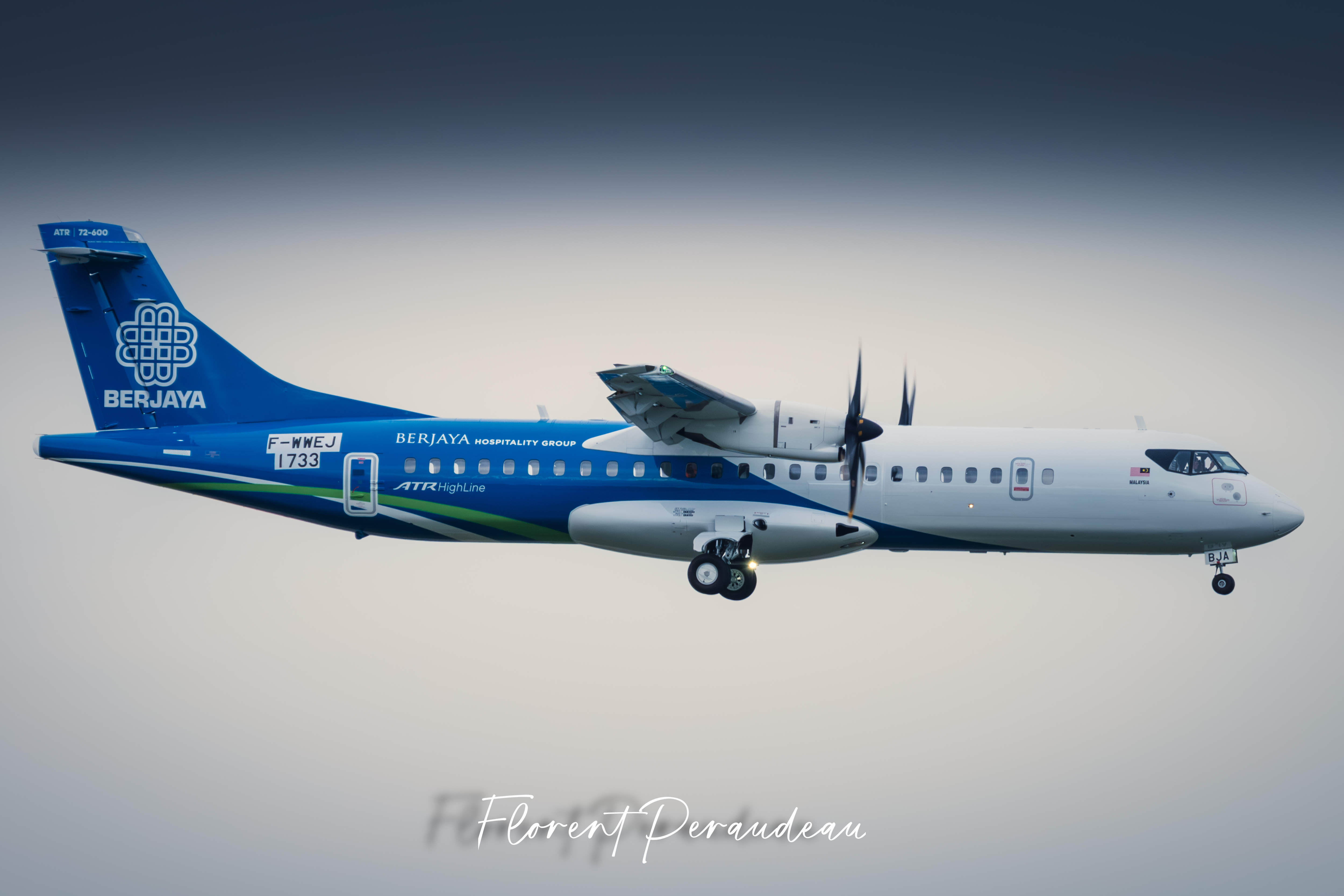
The U.S. regional-airline map has lost roughly 800 links in two decades. ATR says its aircraft could put about 1,000 additional destinations within JSX’s reach. That’s a forceful pitch for premium turboprops. The argument rests less on luxury than on where operators can still carry passengers.
HighLine targets a different regional customer. It offers groups more space and a more direct journey, provided they’re willing to pay. Owners, charter operators and resort businesses should judge the mission economics—not how closely the aircraft resembles a business jet.
A Regional Platform, Recast for Private Missions
ATR unveiled HighLine at Aircraft Interiors Expo on 6 June 2023, according to the manufacturer’s June 2023 announcement. Commercial and business operators form the target market, including semi-private airlines and Part 135 operators.
The distinction shapes the sales pitch. HighLine isn’t a clean-sheet executive aircraft built around a small owner’s party; it adds premium cabin choices to a regional transport platform. Group size, utilisation and the price of exclusivity drive the discussion.
ATR’s industrial roots are well established. Its November 2021 anniversary release records that Aérospatiale and Aeritalia founded the venture in November 1981. HighLine changes what the manufacturer offers inside the cabin, not its underlying identity.
Owners and family offices face a practical distinction. A personal aircraft purchase starts with the principal’s itinerary and preferences; a corporate shuttle or resort charter starts with the group. How many passengers must travel together? How often will they fly, and how much cabin space do they expect?
Different missions. Different economics.
Moving the whole party comes first. Where that outweighs the intimacy of a conventional executive cabin, a premium ATR deserves consideration—not as a substitute for every business jet mission.
Space Is the First Luxury
ATR’s June 2023 launch announcement identifies Multi-Class, Premium-Flex, All-Business Class and Multi-Section configurations, and includes government and head-of-state missions among the intended applications.
The breadth reflects distinct customer requirements. A mixed-class operator, a corporate shuttle customer and a government delegation need different interiors; treating them as one market misses the commercial point.
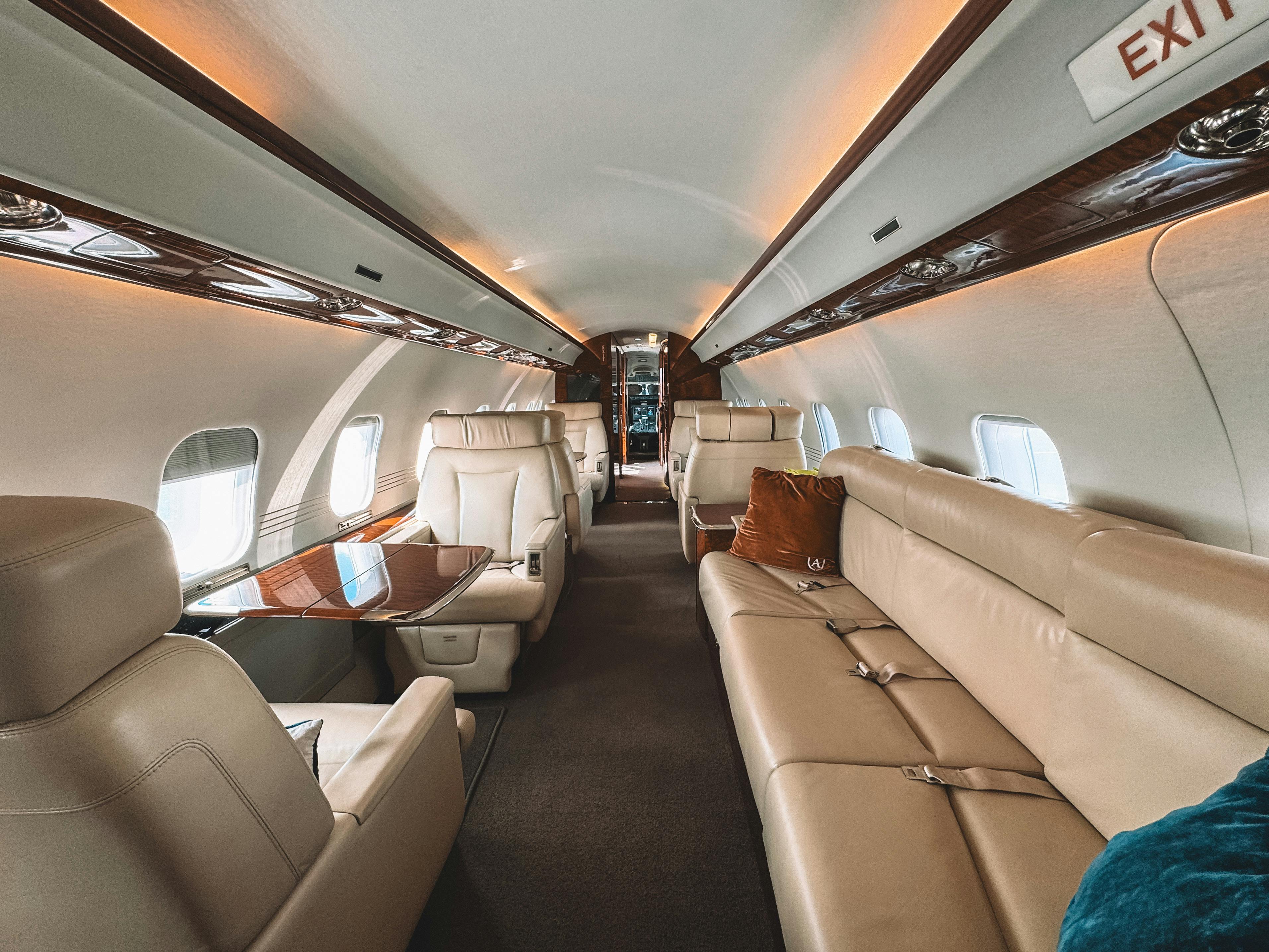
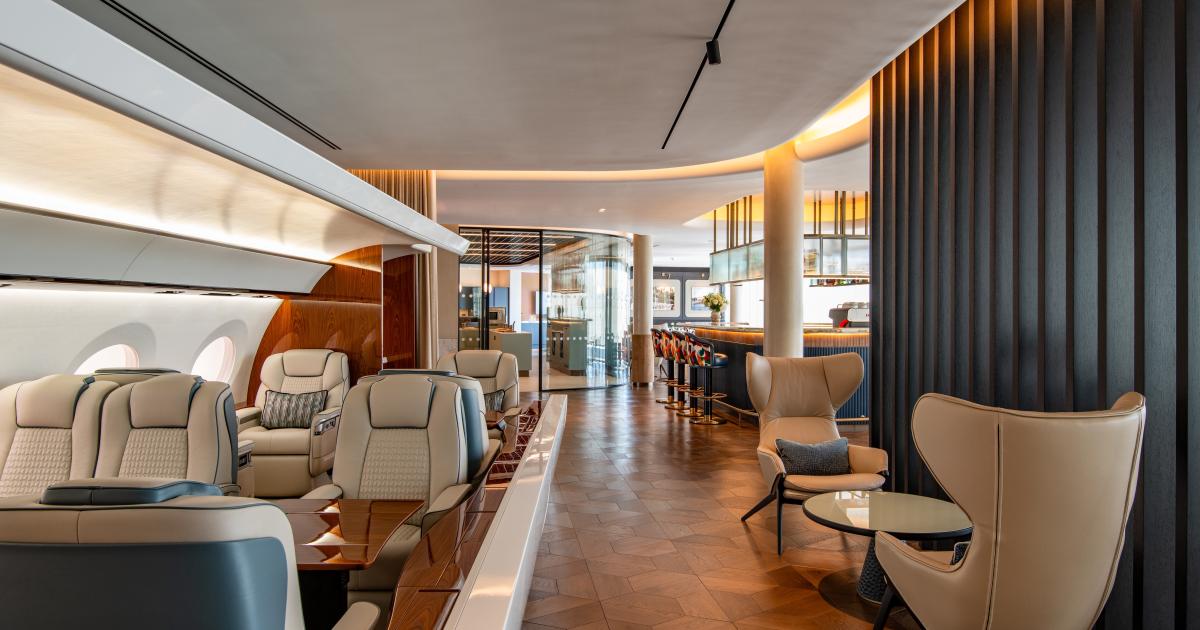
Berjaya’s aircraft makes the concept tangible. Its one-by-one seating eliminates the shared two-seat grouping, giving each passenger individual aisle access and a window without another occupant alongside. The space needs little further explanation.
The evidence sets limits, however. It doesn’t establish comparable acoustic measurements or detailed material specifications, so claims about whisper-quiet cabins, leather quality or bespoke woodwork would overreach. Buyers should inspect those qualities directly. A representative flight offers a better test than a static cabin presentation.
The economics demand the same discipline. Fewer seats can make the interior more generous, but returns depend on what customers will pay and how reliably operators fill the cabin. Premium positioning won’t establish an investment case.
JSX Tests the Semi-Private Proposition
What changes when passengers buy individual seats rather than charter the whole aircraft?
FlightGlobal’s January 2026 coverage records that JSX signed a letter of intent for up to 25 ATR aircraft at the June 2025 Paris Air Show, covering ATR 42-600s or ATR 72-600s. Intent isn’t a firm commitment. The headline signals interest, not a guaranteed production backlog.
Operational experience carries more weight.
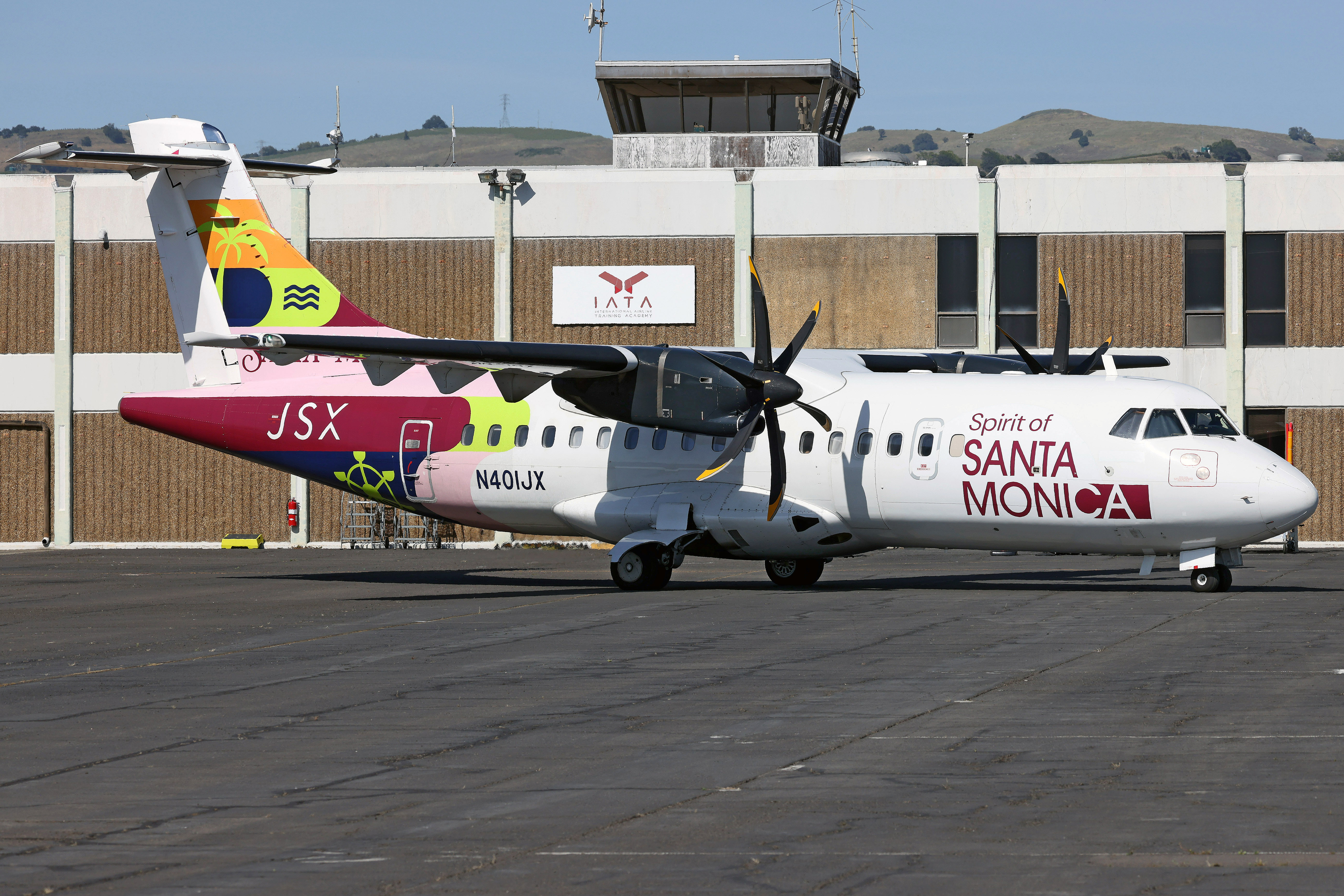
CAPA’s February 2026 coverage confirms that JSX’s first ATR 42-600 entered service in December 2025, initially on Santa Monica–Las Vegas, with a four-aircraft fleet planned for early 2026. Those dates establish specific milestones. They support an entry into service and a planned evaluation scale, but they don’t establish a current fleet total.
JSX gives investors a useful demand test. Its proposition sits between conventional scheduled travel and whole-aircraft charter, with individual seat sales changing the operator’s exposure to the market. Revenue requires repeatable demand on each route. Securing one customer for each aircraft movement is a different business.
A corporate shuttle changes the calculation again. Its buyer may prize keeping a team together and controlling the travel schedule more than maximising revenue from individual ticket sales. Similar cabins can conceal sharply different investment logic.
The Buyer’s Test
HighLine’s strongest argument is mission fit, not borrowed business-jet prestige.
A 26-seat premium cabin makes that tangible. Corporate travel directors, charter operators and resort owners can assess the space, then turn to the less glamorous questions behind the purchase. What annual utilisation and passenger loads are realistic? What completion support is available, and what will the intended routes cost to operate?
It provides no reliable acquisition-price comparison, mission-level operating-cost analysis or residual-value forecast on which a buyer could base a defensible financial recommendation. That requires operator quotations and a route-specific model—not an assumed turboprop discount.
For larger parties, HighLine warrants serious inspection. Buyers moving those groups over regional sectors face a different brief from principals seeking a dedicated business aircraft’s privacy, speed and individualisation. A more spacious regional cabin answers that different brief.
The opportunity isn’t replacing the business jet. It’s making group travel feel less like a compromise.
Sources
The U.S. regional-airline map has lost roughly 800 links in two decades. ATR says its aircraft could put about 1,000 additional destinations within JSX’s reach. That’s a forceful pitch for premium turboprops. The argument rests less on luxury than on where operators can still carry passengers.
HighLine targets a different regional customer. It offers groups more space and a more direct journey, provided they’re willing to pay. Owners, charter operators and resort businesses should judge the mission economics—not how closely the aircraft resembles a business jet.
A Regional Platform, Recast for Private Missions
ATR unveiled HighLine at Aircraft Interiors Expo on 6 June 2023, according to the manufacturer’s June 2023 announcement. Commercial and business operators form the target market, including semi-private airlines and Part 135 operators.
The distinction shapes the sales pitch. HighLine isn’t a clean-sheet executive aircraft built around a small owner’s party; it adds premium cabin choices to a regional transport platform. Group size, utilisation and the price of exclusivity drive the discussion.
ATR’s industrial roots are well established. Its November 2021 anniversary release records that Aérospatiale and Aeritalia founded the venture in November 1981. HighLine changes what the manufacturer offers inside the cabin, not its underlying identity.
Owners and family offices face a practical distinction. A personal aircraft purchase starts with the principal’s itinerary and preferences; a corporate shuttle or resort charter starts with the group. How many passengers must travel together? How often will they fly, and how much cabin space do they expect?
Different missions. Different economics.
Moving the whole party comes first. Where that outweighs the intimacy of a conventional executive cabin, a premium ATR deserves consideration—not as a substitute for every business jet mission.
Space Is the First Luxury
ATR’s June 2023 launch announcement identifies Multi-Class, Premium-Flex, All-Business Class and Multi-Section configurations, and includes government and head-of-state missions among the intended applications.
The breadth reflects distinct customer requirements. A mixed-class operator, a corporate shuttle customer and a government delegation need different interiors; treating them as one market misses the commercial point.
Berjaya’s aircraft makes the concept tangible. Its one-by-one seating eliminates the shared two-seat grouping, giving each passenger individual aisle access and a window without another occupant alongside. The space needs little further explanation.
The evidence sets limits, however. It doesn’t establish comparable acoustic measurements or detailed material specifications, so claims about whisper-quiet cabins, leather quality or bespoke woodwork would overreach. Buyers should inspect those qualities directly. A representative flight offers a better test than a static cabin presentation.
The economics demand the same discipline. Fewer seats can make the interior more generous, but returns depend on what customers will pay and how reliably operators fill the cabin. Premium positioning won’t establish an investment case.
JSX Tests the Semi-Private Proposition
What changes when passengers buy individual seats rather than charter the whole aircraft?
FlightGlobal’s January 2026 coverage records that JSX signed a letter of intent for up to 25 ATR aircraft at the June 2025 Paris Air Show, covering ATR 42-600s or ATR 72-600s. Intent isn’t a firm commitment. The headline signals interest, not a guaranteed production backlog.
Operational experience carries more weight.
CAPA’s February 2026 coverage confirms that JSX’s first ATR 42-600 entered service in December 2025, initially on Santa Monica–Las Vegas, with a four-aircraft fleet planned for early 2026. Those dates establish specific milestones. They support an entry into service and a planned evaluation scale, but they don’t establish a current fleet total.
JSX gives investors a useful demand test. Its proposition sits between conventional scheduled travel and whole-aircraft charter, with individual seat sales changing the operator’s exposure to the market. Revenue requires repeatable demand on each route. Securing one customer for each aircraft movement is a different business.
A corporate shuttle changes the calculation again. Its buyer may prize keeping a team together and controlling the travel schedule more than maximising revenue from individual ticket sales. Similar cabins can conceal sharply different investment logic.

Sponsored by Jet24 global
The Buyer’s Test
HighLine’s strongest argument is mission fit, not borrowed business-jet prestige.
A 26-seat premium cabin makes that tangible. Corporate travel directors, charter operators and resort owners can assess the space, then turn to the less glamorous questions behind the purchase. What annual utilisation and passenger loads are realistic? What completion support is available, and what will the intended routes cost to operate?
It provides no reliable acquisition-price comparison, mission-level operating-cost analysis or residual-value forecast on which a buyer could base a defensible financial recommendation. That requires operator quotations and a route-specific model—not an assumed turboprop discount.
For larger parties, HighLine warrants serious inspection. Buyers moving those groups over regional sectors face a different brief from principals seeking a dedicated business aircraft’s privacy, speed and individualisation. A more spacious regional cabin answers that different brief.
The opportunity isn’t replacing the business jet. It’s making group travel feel less like a compromise.
Sources
Frequently asked questions
- What is ATR HighLine?
- ATR HighLine is a premium cabin collection for ATR regional aircraft, aimed at commercial, charter and business operators. It offers layouts such as all-business-class and multi-section cabins for group travel.
- How is ATR HighLine different from a business jet?
- HighLine applies premium seating and extra personal space to a regional transport aircraft, making it suited to moving larger groups. It is not designed to replace a business jet’s privacy, speed or individualized travel experience.
- Is JSX operating ATR HighLine aircraft?
- JSX began operating an ATR 42-600 in December 2025 on its Santa Monica–Las Vegas route, with a four-aircraft evaluation fleet planned for early 2026. JSX’s separate letter of intent for up to 25 ATRs indicates interest, not a firm order.