- News
- Nov 20, 2026
- 7 min read
Why a Citation Latitude renewal takes priority over fleet growth
A factory-new Citation Latitude will replace an existing jet, prioritizing asset age and availability while the operator keeps its fleet strategy restrained.
Batuhan Altindag


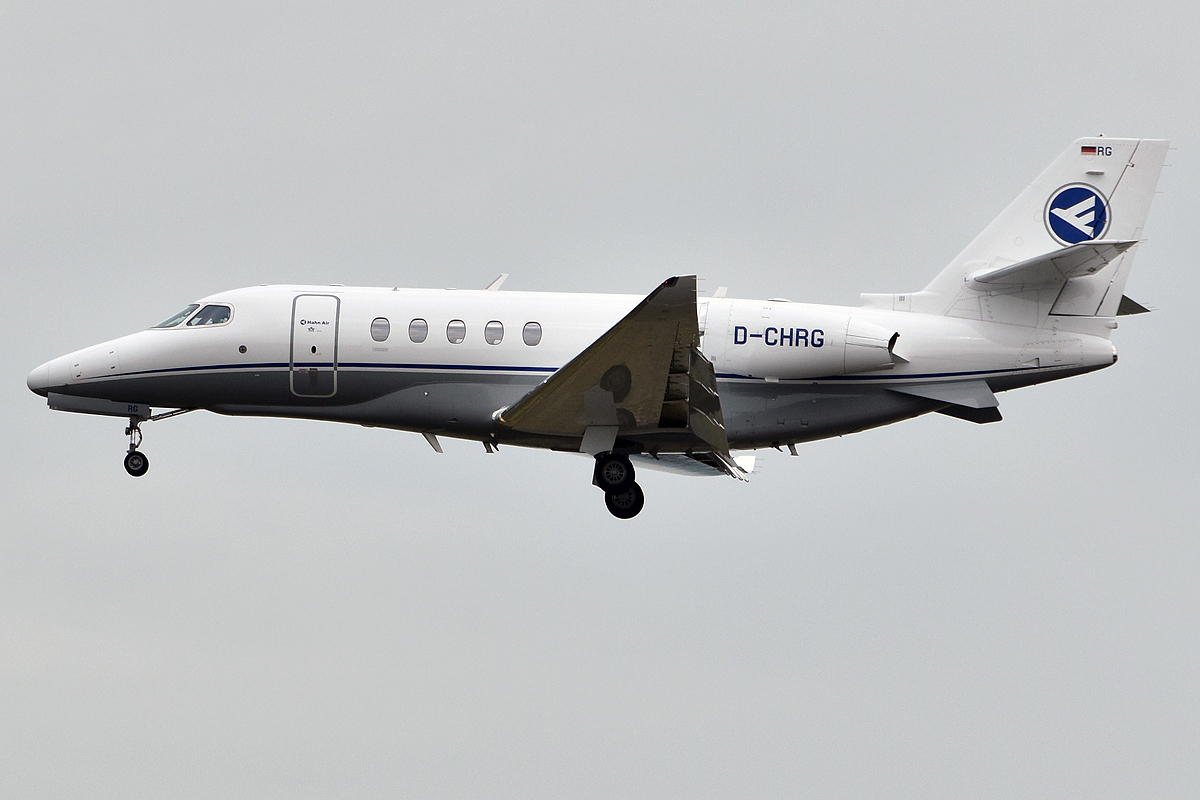
Hahnair connects more than 350 airlines with 100,000 travel agencies in 190 markets. The jets aren’t the growth plan. They support a much larger distribution business, which sets the priorities for fleet investment rather than an ambition to expand charter capacity.
That distinction drives the Latitude replacement. Hahnair is replacing its Citation Latitude with a factory-new aircraft, betting on continuity, a younger asset and less downtime rather than fleet expansion. It hasn’t published quantified savings.
A Familiar Cabin, a Younger Asset
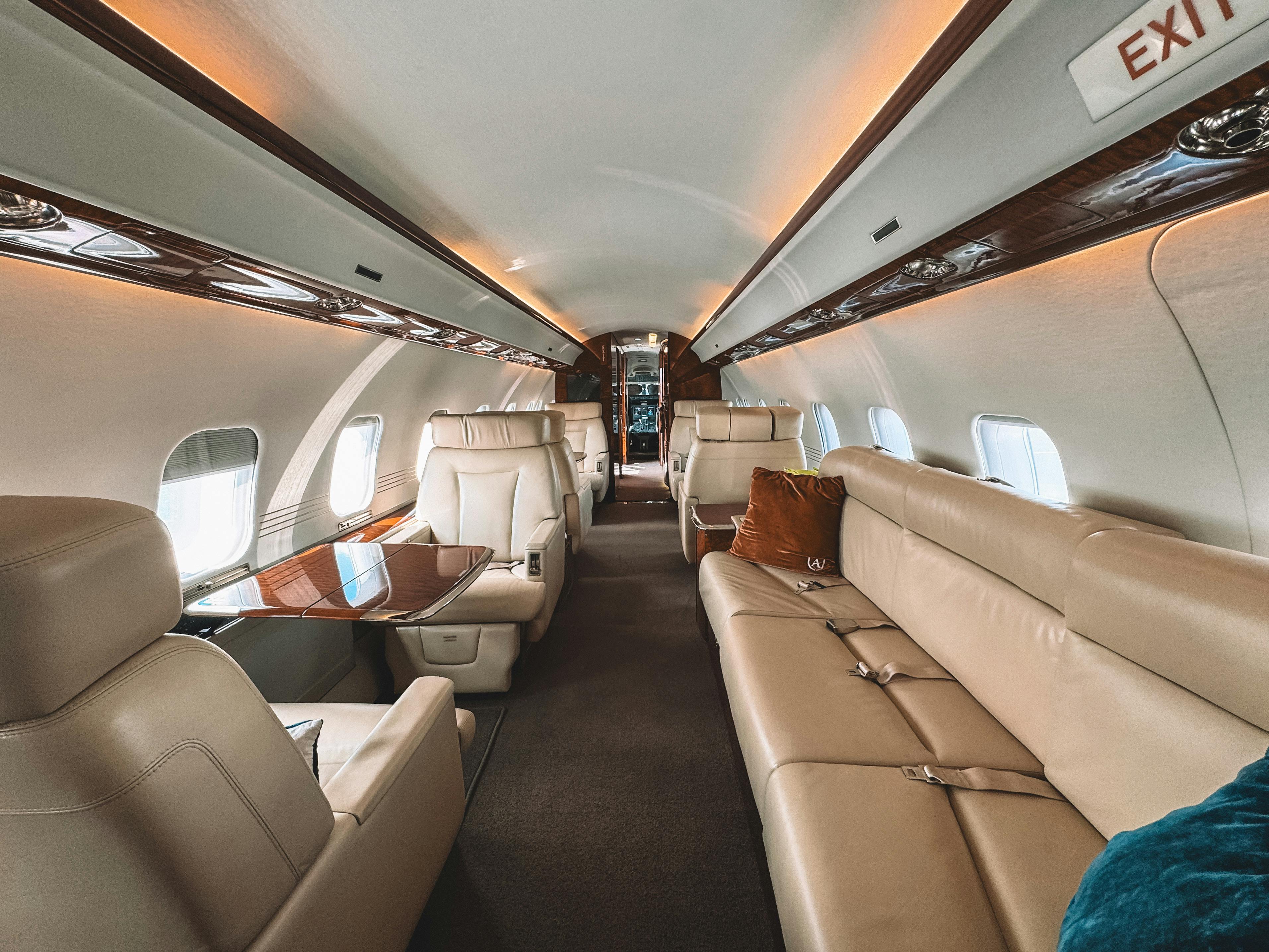
The aircraft category isn’t changing. Hahnair is refreshing a charter product that management believes already fits the mission, without asking clients to move into a different category.
“We have been extremely happy with the Latitude and it continues to be the right aircraft for our needs,” CEO Kirsten Rehmann tells Business Air News in its November 2026 coverage, which links the replacement decision to fleet age. And nearby Textron support in Düsseldorf.
The passenger offering is deliberately restrained. The same account describes six seats available per flight, with two pilots and an in-flight service attendant supporting the passenger operation. For an executive party, the appeal is straightforward: a smaller travelling group keeps the cabin focused on conversation, work and attentive service, rather than maximum occupancy.
Hahnair lists a maximum cruising speed of 826 km/h, a range of up to 5,000 km and a maximum operating altitude of 45,000 ft for its Citation Latitude. Those figures need an operational reading. They describe a European charter proposition with reach beyond the continent, but they don’t guarantee that performance on every departure or itinerary. Buyers should test proposed trips against actual passenger loads and operating conditions, not treat brochure range as a dispatch commitment.
The replacement will carry fresh colours. Rehmann tells Business Air News that Hahnair rebranded in 2024 and expects all new aircraft to receive the new livery. Her replacement timetable matters more for asset planning: she expects cycles to shorten to a maximum of five years.
Reliability Is the Investment Case
Nearby support has practical value. A local service centre can simplify maintenance coordination, but distance alone doesn’t establish how quickly technicians will return an aircraft to service. Hahnair hasn’t published dispatch-reliability figures, maintenance-cost comparisons or downtime savings for the replacement.
The economic case remains management’s expectation. Hahnair hasn’t demonstrated the return.
Rehmann’s rationale nevertheless holds together. A factory-new Latitude retains the familiar customer proposition while targeting fewer maintenance interruptions, rather than changing the aircraft category or expanding the fleet. Availability warrants close scrutiny in a compact fleet: each unavailable jet removes a substantial share of operating capacity.
Other German charter operators are expanding. Aviation International News reported in April 2026 that Luminair ordered nine Citation Latitudes. The same aircraft supports sharply different strategies, with one operator building its fleet while another pursues a disciplined replacement of existing capacity.
The CJ3 Gen2 Timetable Needs Clarification
When does the next aircraft arrive?
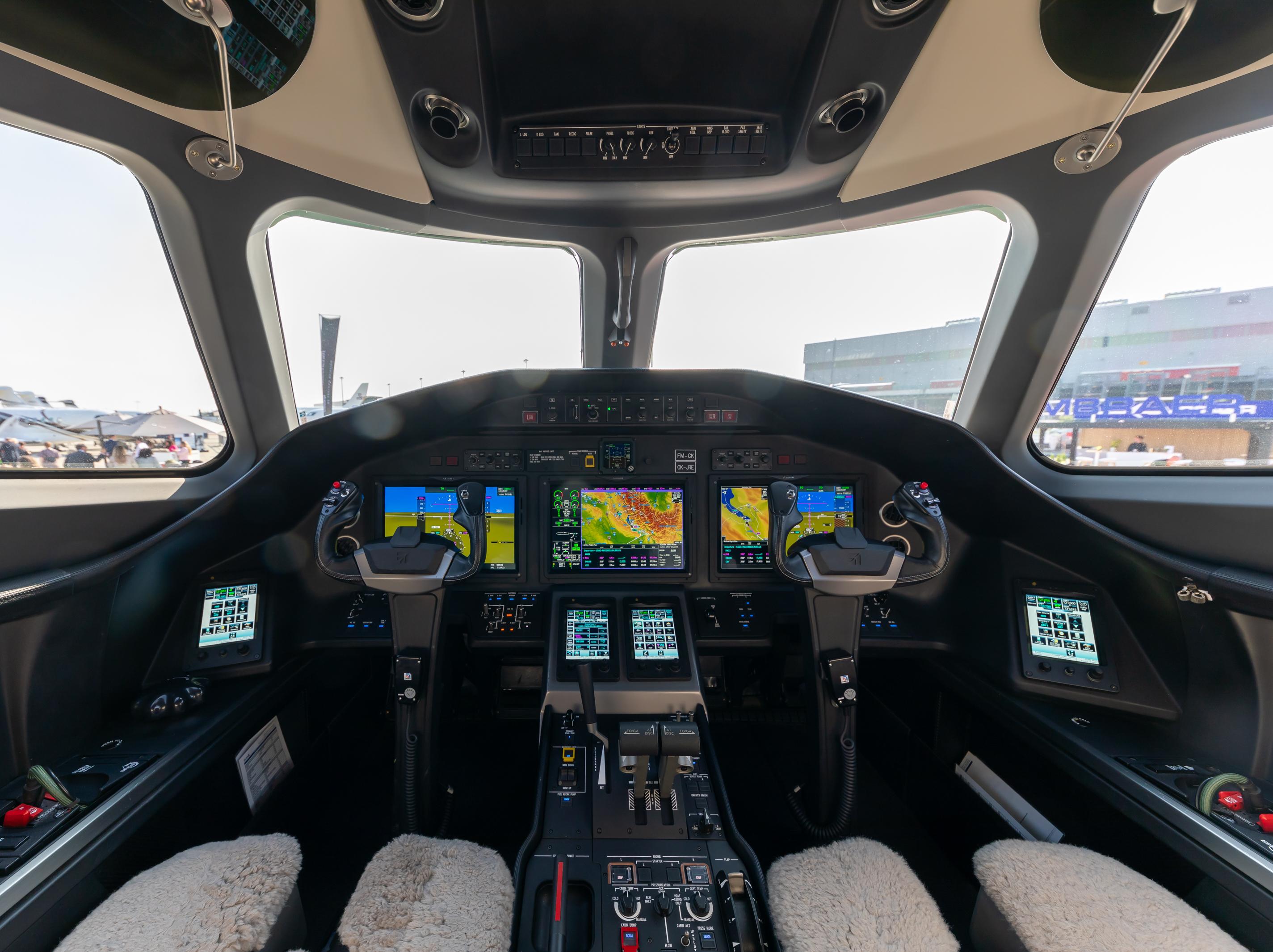
Business Air News’s November 2026 account quotes Rehmann expecting CJ3 Gen2 delivery in Q2 or Q3 2028, with the existing CJ3+ flying until Q2 2027. That points to a later delivery. The first-half 2026 fleet-renewal plan reported by ch-aviation in June 2024 set an earlier timetable. The newer management guidance provides the more relevant planning reference.
One inconsistency still needs resolving. Rehmann also describes a temporary three-jet fleet, but the quoted CJ3+ retirement and CJ3 Gen2 delivery dates don’t establish an overlap. Clients and counterparties need a clearer transition sequence before assuming additional capacity.
The strategic boundary is clearer. “Our core business is ticketing services, and we operate our fleet to complement this business rather than as a standalone area for expansion,” Rehmann tells Business Air News.
Charter buyers need answers on availability. Service continuity and a confirmed transition schedule complete the practical checklist for customers assessing what the fleet changes will mean for them. For owners weighing a similar renewal, Hahnair offers a useful principle: replace a proven aircraft when operating economics justify the investment, not simply because a newer model exists.
Sources
Hahnair connects more than 350 airlines with 100,000 travel agencies in 190 markets. The jets aren’t the growth plan. They support a much larger distribution business, which sets the priorities for fleet investment rather than an ambition to expand charter capacity.
That distinction drives the Latitude replacement. Hahnair is replacing its Citation Latitude with a factory-new aircraft, betting on continuity, a younger asset and less downtime rather than fleet expansion. It hasn’t published quantified savings.
A Familiar Cabin, a Younger Asset
The aircraft category isn’t changing. Hahnair is refreshing a charter product that management believes already fits the mission, without asking clients to move into a different category.
“We have been extremely happy with the Latitude and it continues to be the right aircraft for our needs,” CEO Kirsten Rehmann tells Business Air News in its November 2026 coverage, which links the replacement decision to fleet age. And nearby Textron support in Düsseldorf.
The passenger offering is deliberately restrained. The same account describes six seats available per flight, with two pilots and an in-flight service attendant supporting the passenger operation. For an executive party, the appeal is straightforward: a smaller travelling group keeps the cabin focused on conversation, work and attentive service, rather than maximum occupancy.
Hahnair lists a maximum cruising speed of 826 km/h, a range of up to 5,000 km and a maximum operating altitude of 45,000 ft for its Citation Latitude. Those figures need an operational reading. They describe a European charter proposition with reach beyond the continent, but they don’t guarantee that performance on every departure or itinerary. Buyers should test proposed trips against actual passenger loads and operating conditions, not treat brochure range as a dispatch commitment.
The replacement will carry fresh colours. Rehmann tells Business Air News that Hahnair rebranded in 2024 and expects all new aircraft to receive the new livery. Her replacement timetable matters more for asset planning: she expects cycles to shorten to a maximum of five years.
Reliability Is the Investment Case
Nearby support has practical value. A local service centre can simplify maintenance coordination, but distance alone doesn’t establish how quickly technicians will return an aircraft to service. Hahnair hasn’t published dispatch-reliability figures, maintenance-cost comparisons or downtime savings for the replacement.
The economic case remains management’s expectation. Hahnair hasn’t demonstrated the return.
Rehmann’s rationale nevertheless holds together. A factory-new Latitude retains the familiar customer proposition while targeting fewer maintenance interruptions, rather than changing the aircraft category or expanding the fleet. Availability warrants close scrutiny in a compact fleet: each unavailable jet removes a substantial share of operating capacity.
Other German charter operators are expanding. Aviation International News reported in April 2026 that Luminair ordered nine Citation Latitudes. The same aircraft supports sharply different strategies, with one operator building its fleet while another pursues a disciplined replacement of existing capacity.

Sponsored by Jet24 global
The CJ3 Gen2 Timetable Needs Clarification
When does the next aircraft arrive?
Business Air News’s November 2026 account quotes Rehmann expecting CJ3 Gen2 delivery in Q2 or Q3 2028, with the existing CJ3+ flying until Q2 2027. That points to a later delivery. The first-half 2026 fleet-renewal plan reported by ch-aviation in June 2024 set an earlier timetable. The newer management guidance provides the more relevant planning reference.
One inconsistency still needs resolving. Rehmann also describes a temporary three-jet fleet, but the quoted CJ3+ retirement and CJ3 Gen2 delivery dates don’t establish an overlap. Clients and counterparties need a clearer transition sequence before assuming additional capacity.
The strategic boundary is clearer. “Our core business is ticketing services, and we operate our fleet to complement this business rather than as a standalone area for expansion,” Rehmann tells Business Air News.
Charter buyers need answers on availability. Service continuity and a confirmed transition schedule complete the practical checklist for customers assessing what the fleet changes will mean for them. For owners weighing a similar renewal, Hahnair offers a useful principle: replace a proven aircraft when operating economics justify the investment, not simply because a newer model exists.
Sources
Frequently asked questions
- Why is Hahnair replacing its Citation Latitude?
- Hahnair says a factory-new Latitude will preserve a proven charter experience while providing a younger asset and potentially reducing maintenance interruptions. The company has not published quantified savings or reliability figures.
- How many passengers can Hahnair’s Citation Latitude carry?
- Hahnair makes six passenger seats available per flight, with two pilots and an in-flight service attendant.
- When will Hahnair receive its CJ3 Gen2?
- CEO Kirsten Rehmann told Business Air News that delivery is expected in Q2 or Q3 2028. The existing CJ3+ is expected to fly until Q2 2027, though the transition sequence has not been fully clarified.
Popular tags: