- News
- Nov 18, 2026
- 6 min read
Phoenix Convention Puts Sound Flight Judgment First
At the 2026 Phoenix gathering, pilots discussed go/no-go choices, hazard identification and risk management across several aircraft generations.
Batuhan Altindag


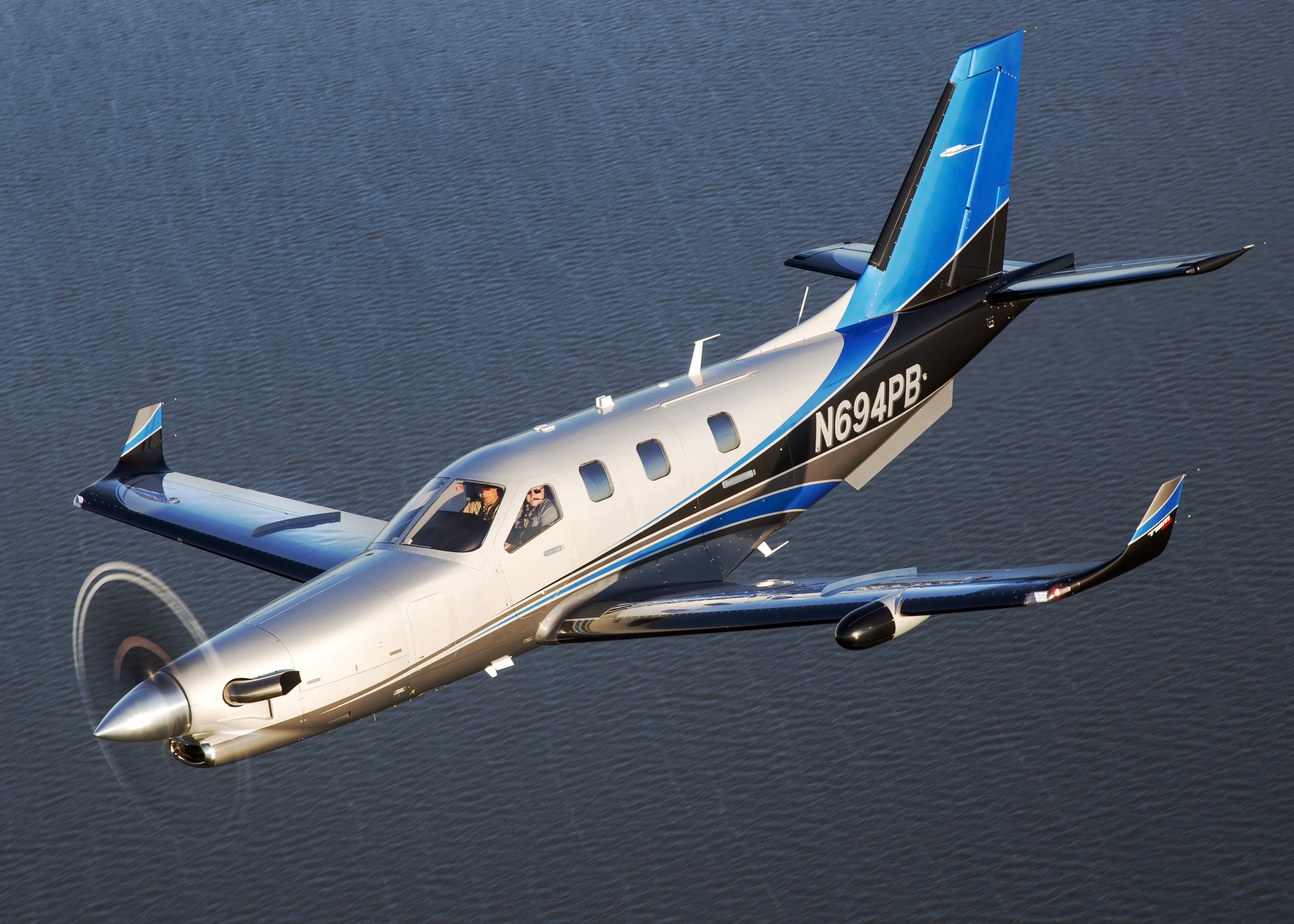
More than 1,330 TBM aircraft have been delivered. That’s a substantial owner-pilot community, and its cockpit decisions carry consequences that extend well beyond the outcome of any single flight.
Phoenix brought that responsibility into focus. The 2026 TBM Owners and Pilots Association convention drew 78 TBMs, with sound aeronautical decision-making at the center of the agenda. For owners, extracting more performance wasn’t the point. Knowing when to use the aircraft’s existing capability—and when to leave it on the ground—was.
A Fleet-Wide Conversation
Daher’s November 2026 convention account puts the gathering in Phoenix, Arizona, from 28 October to 1 November, with three days devoted to sound aeronautical decision-making. The attendance extended beyond the cockpit. Owners, operators and their companions joined equipment and service suppliers, along with representatives of the manufacturer.
The fleet covered several aircraft generations. According to the same account, TBM 700, TBM 850 and TBM 900 series aircraft attended at Phoenix Sky Harbor Airport. That range gave the discussion reach beyond the newest cockpit.
Business Air News, in November 2026, describes sessions addressing go/no-go assessment, hazard identification and risk management. These are practical owner-flown business aviation concerns. An aircraft offers freedom from scheduled travel, but using that freedom responsibly demands the discipline to change plans when conditions warrant.
What happens when an appointment starts driving the departure decision?
That’s where judgment gets tested. An owner-pilot confronting deteriorating weather before a business trip needs more than confidence in the aircraft; the useful outcome is a considered alternative. Delay departure, change the destination or abandon the flight. Those are illustrations, not reported convention exercises, but they show why judgment warrants as much attention as aircraft handling.
A New Cockpit Doesn’t Replace the Decision
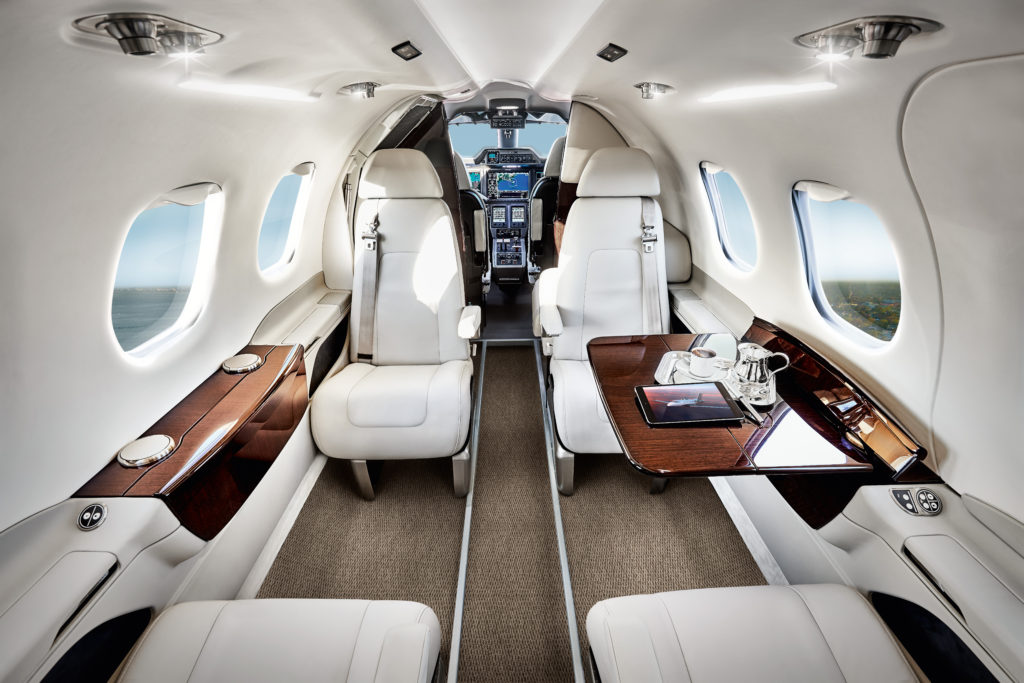
The fleet’s technical evolution continues meanwhile. In January 2026, Daher unveiled the TBM 980 with Garmin G3000 PRIME avionics and cabin enhancements, combining a new pilot interface with changes intended to improve passenger comfort.
The distinction matters to an owner. Cockpit integration and cabin refinement improve different parts of the ownership experience, but neither eliminates the need for an uncomfortable operational decision. A polished journey starts before passengers take their seats.
Demand gives the discussion commercial context. Daher’s July 2026 market update sets a target of more than 60 TBM 980 deliveries during 2026, potentially the highest annual total in the programme’s history. The manufacturer also reports more than 1,300 TBM-family deliveries worldwide.
The target isn’t a completed-year result. Still, that production ambition gives the Phoenix discussion commercial weight: product development draws buyers, while training and operational discipline help owners use their investment responsibly.
The Ownership Test
Prospective TBM buyers can take a practical lesson from Phoenix: assess the aircraft’s capabilities, then scrutinize the habits, training commitments and decision-making standards that will govern its operation.
Proficiency belongs in the ownership budget. Treating it as an optional expense after delivery misses the point of an aircraft bought to make private travel work. An elegant departure alone isn’t enough. The finest private-flight experience includes knowing that the person at the controls is prepared to decline a departure when necessary.
Sources
More than 1,330 TBM aircraft have been delivered. That’s a substantial owner-pilot community, and its cockpit decisions carry consequences that extend well beyond the outcome of any single flight.
Phoenix brought that responsibility into focus. The 2026 TBM Owners and Pilots Association convention drew 78 TBMs, with sound aeronautical decision-making at the center of the agenda. For owners, extracting more performance wasn’t the point. Knowing when to use the aircraft’s existing capability—and when to leave it on the ground—was.
A Fleet-Wide Conversation
Daher’s November 2026 convention account puts the gathering in Phoenix, Arizona, from 28 October to 1 November, with three days devoted to sound aeronautical decision-making. The attendance extended beyond the cockpit. Owners, operators and their companions joined equipment and service suppliers, along with representatives of the manufacturer.
The fleet covered several aircraft generations. According to the same account, TBM 700, TBM 850 and TBM 900 series aircraft attended at Phoenix Sky Harbor Airport. That range gave the discussion reach beyond the newest cockpit.
Business Air News, in November 2026, describes sessions addressing go/no-go assessment, hazard identification and risk management. These are practical owner-flown business aviation concerns. An aircraft offers freedom from scheduled travel, but using that freedom responsibly demands the discipline to change plans when conditions warrant.
What happens when an appointment starts driving the departure decision?
That’s where judgment gets tested. An owner-pilot confronting deteriorating weather before a business trip needs more than confidence in the aircraft; the useful outcome is a considered alternative. Delay departure, change the destination or abandon the flight. Those are illustrations, not reported convention exercises, but they show why judgment warrants as much attention as aircraft handling.

Sponsored by Jet24 global
A New Cockpit Doesn’t Replace the Decision
The fleet’s technical evolution continues meanwhile. In January 2026, Daher unveiled the TBM 980 with Garmin G3000 PRIME avionics and cabin enhancements, combining a new pilot interface with changes intended to improve passenger comfort.
The distinction matters to an owner. Cockpit integration and cabin refinement improve different parts of the ownership experience, but neither eliminates the need for an uncomfortable operational decision. A polished journey starts before passengers take their seats.
Demand gives the discussion commercial context. Daher’s July 2026 market update sets a target of more than 60 TBM 980 deliveries during 2026, potentially the highest annual total in the programme’s history. The manufacturer also reports more than 1,300 TBM-family deliveries worldwide.
The target isn’t a completed-year result. Still, that production ambition gives the Phoenix discussion commercial weight: product development draws buyers, while training and operational discipline help owners use their investment responsibly.
The Ownership Test
Prospective TBM buyers can take a practical lesson from Phoenix: assess the aircraft’s capabilities, then scrutinize the habits, training commitments and decision-making standards that will govern its operation.
Proficiency belongs in the ownership budget. Treating it as an optional expense after delivery misses the point of an aircraft bought to make private travel work. An elegant departure alone isn’t enough. The finest private-flight experience includes knowing that the person at the controls is prepared to decline a departure when necessary.
Sources
Frequently asked questions
- What was the focus of the 2026 TBMOPA convention in Phoenix?
- The convention focused on sound aeronautical decision-making, including go/no-go assessments, hazard identification, and risk management.
- What should TBM pilots consider before deciding to fly?
- Pilots should assess weather and other hazards, weigh the risks, and be prepared to delay, change the destination, or cancel the flight when conditions warrant.
- Does upgraded TBM avionics replace the need for pilot judgment?
- No. New avionics can improve the cockpit experience, but they do not replace proficiency, training, or sound operational decisions.
Popular tags: