- News
- Nov 18, 2026
- 9 min read
Florida puts electric aircraft operations to the test
Florida flights compare vertical-lift and runway-based electric aircraft, while reported energy costs prompt closer scrutiny of operating economics.
Batuhan Altindag


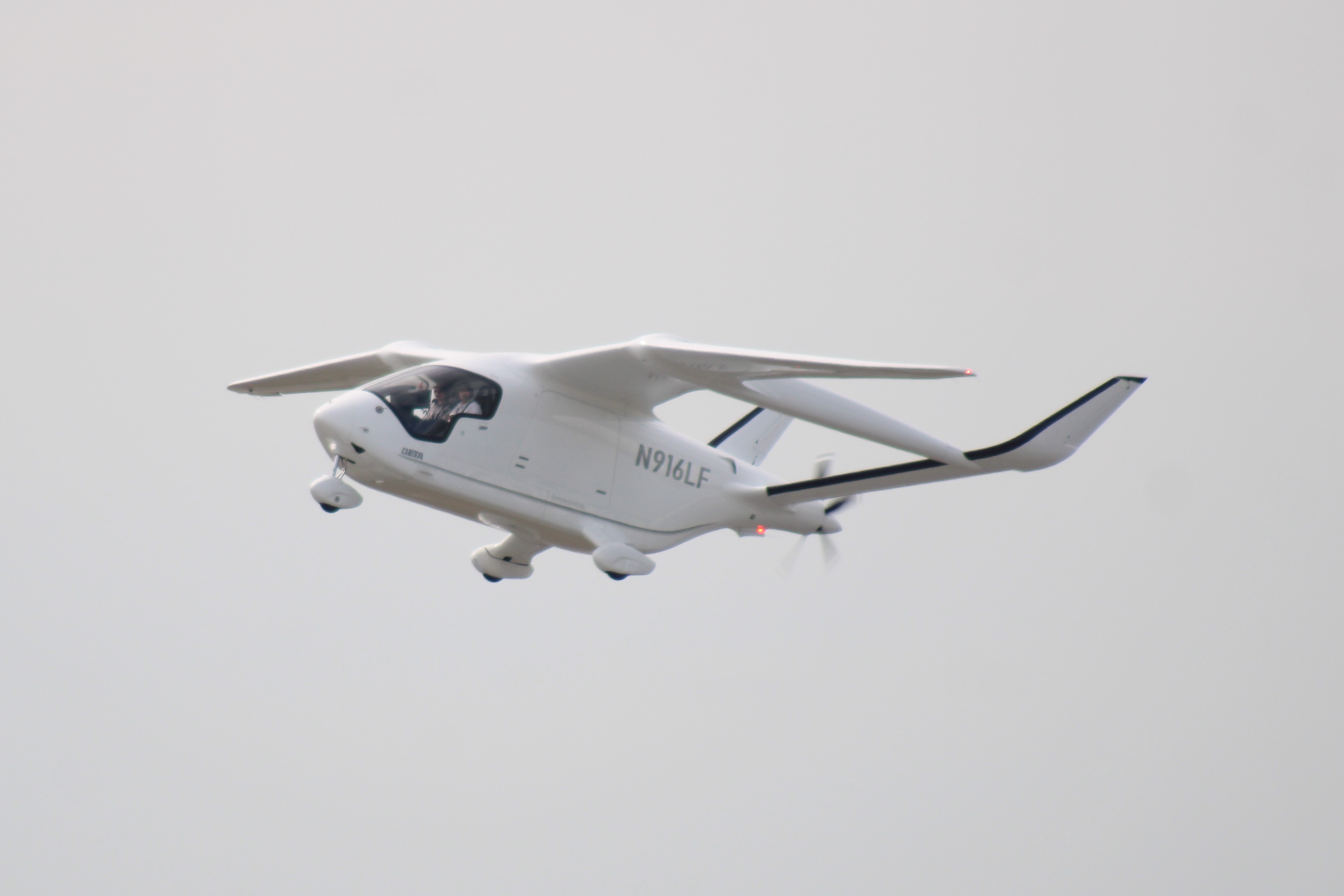
Up to nine flights a day, with energy costs below $17 per flight: BETA says its Florida operations have already reached that cadence. That’s an operating figure, not a cost model. It brings electric aviation’s business case onto the ramp, where aircraft performance, route selection and ground operations must work as one.
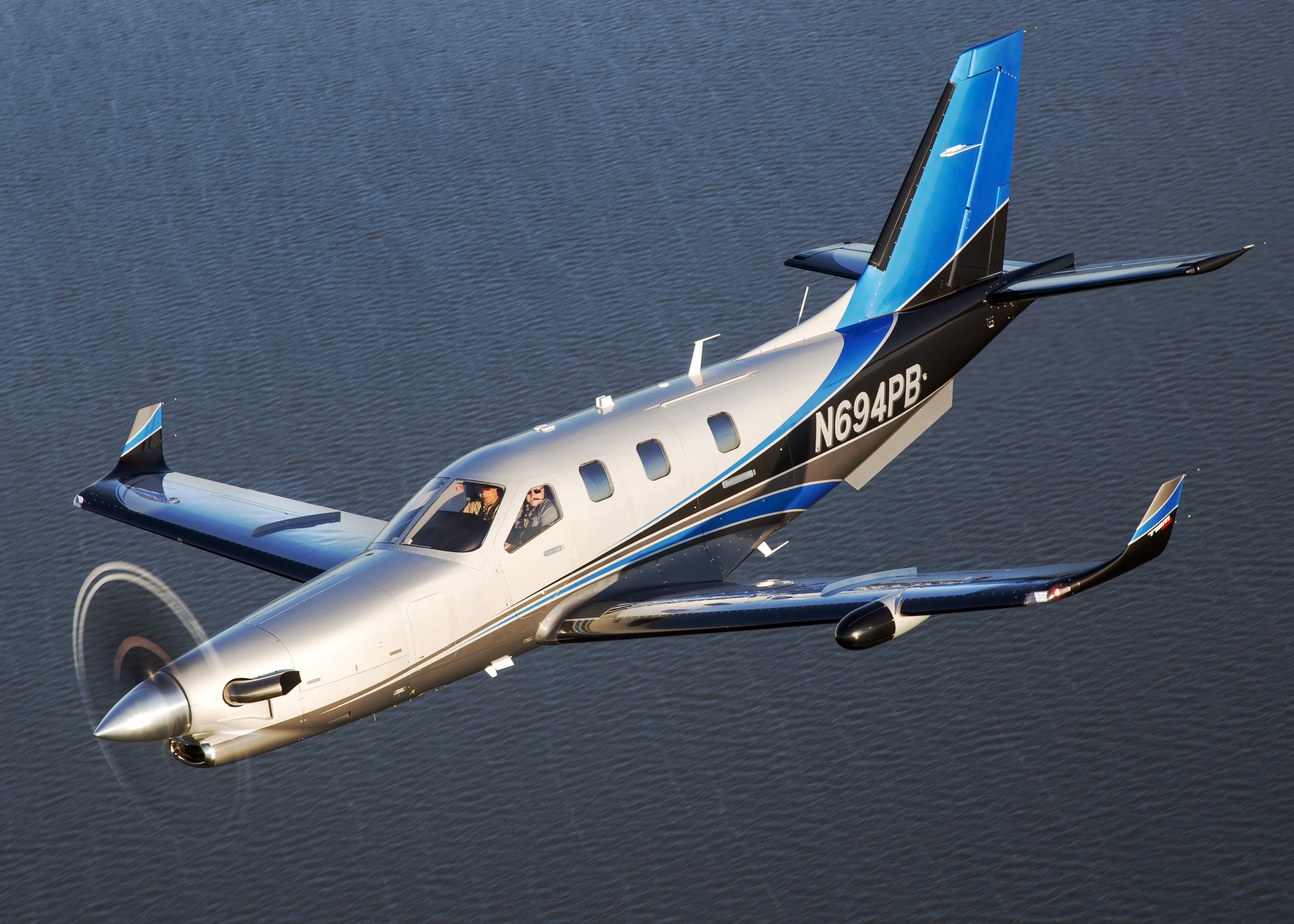
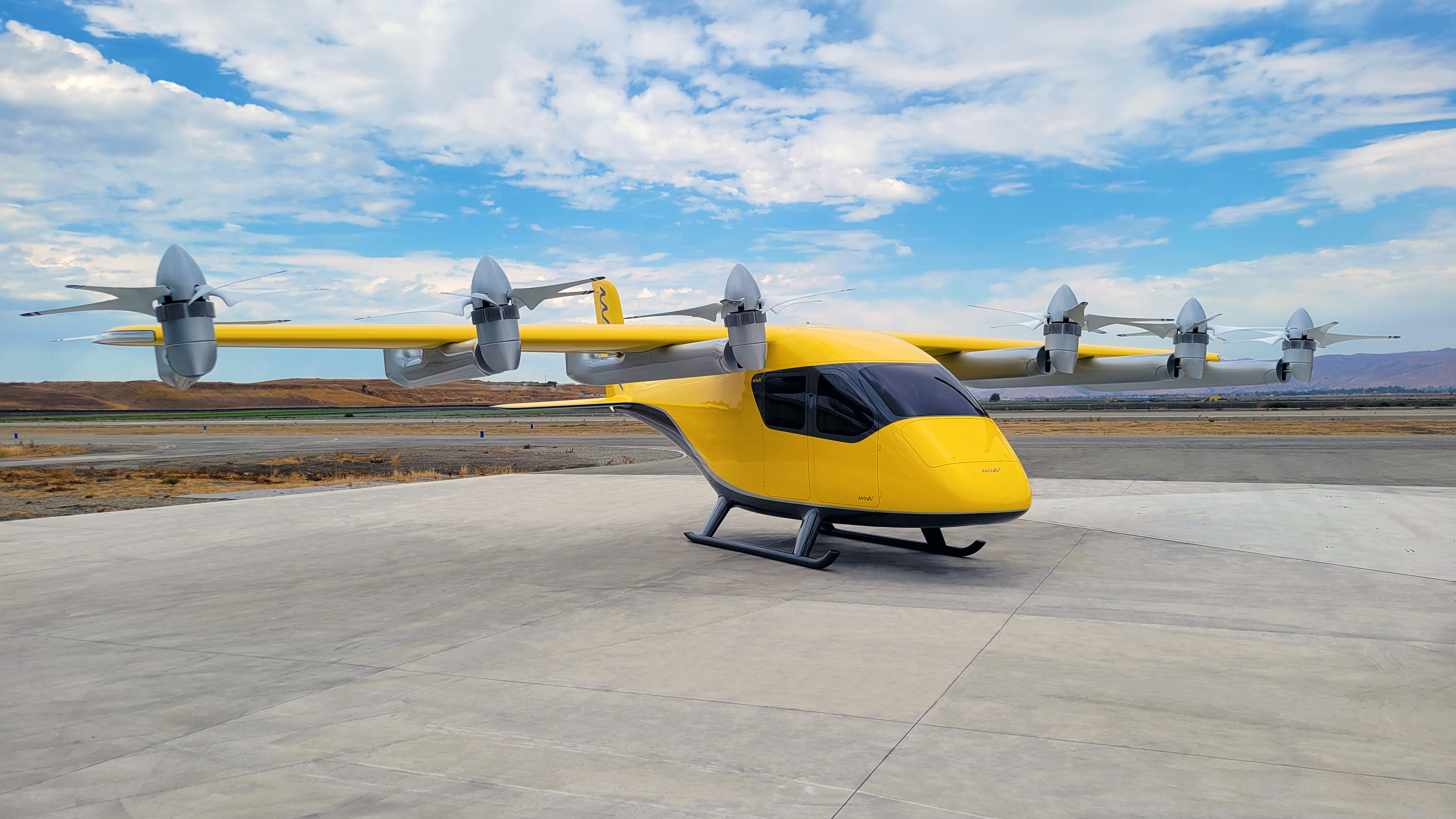
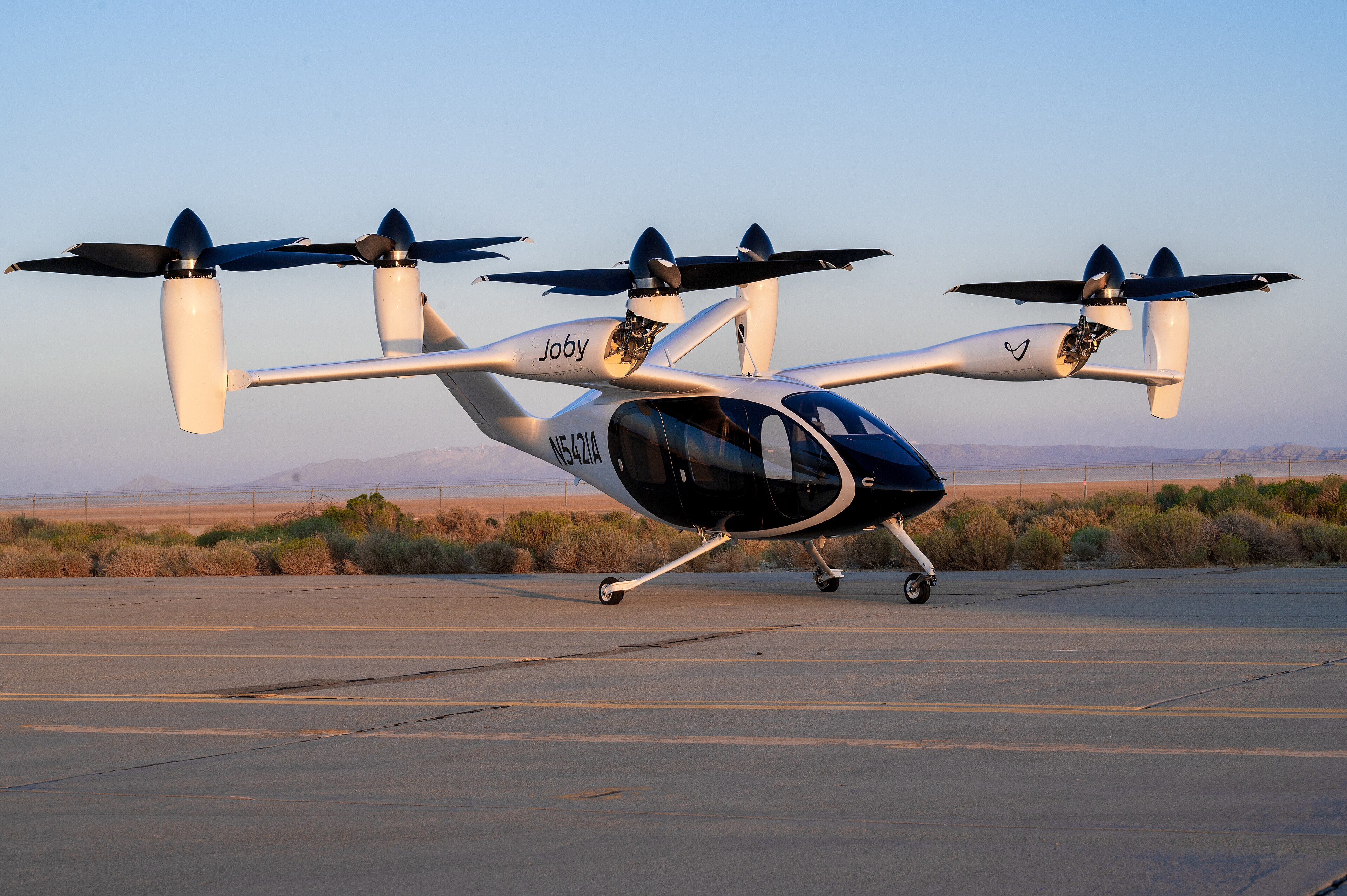
Florida’s trials put two different electric-aircraft models to that test: Joby’s vertical-lift S4 and BETA’s ALIA CX300, which uses conventional runways.
One Bay, Two Operating Models
Florida gives the demonstrations a historical backdrop. According to FDOT’s October 2026 announcement, the flights revisit the St. Petersburg–Tampa airline route inaugurated in 1914. The anniversary supplies the photograph. The aircraft architectures, and the operating choices each imposes, tell the business story that prospective operators and investors need to examine.
AIN identifies the participating aircraft as Joby’s S4 eVTOL and BETA’s ALIA CX300, an electric conventional-takeoff-and-landing aircraft. Both put electric propulsion to work. But their configurations leave operators facing different infrastructure choices, a distinction that matters when moving from demonstration flights to a service.
Joby’s October 2026 announcement describes an Albert Whitted–Tampa International point-to-point flight, connecting downtown St. Petersburg’s airport and Tampa’s principal airport. AIN puts the demonstration flight at approximately 20 minutes.
Twenty minutes is a starting point.
The clock doesn't stop at touchdown. For an executive connecting to a private jet, the relevant measure covers arrival at the departure facility, boarding, flight, disembarkation and movement to the onward aircraft. A short sector doesn't guarantee a short journey. A well-designed connection, however, could give a modest regional flight more value than its distance alone would suggest to a prospective customer.
BETA asks a different operating question. Can an electric aircraft establish attractive regional economics using conventional runways, without making the business case depend on vertical-lift infrastructure investment?
The CX300’s participation sharpens that distinction. A program associated with eVTOL integration is also testing an aircraft that uses conventional takeoffs rather than lifting vertically from the ground. Prospective operators should assess propulsion and runway access separately; the convenient label “air taxi.” shouldn't obscure either decision.
The Number That Deserves Scrutiny
BETA’s October 2026 release reports 14 Florida flights covering nearly 700 nautical miles. Florida, the company says, is the seventh location to launch under the federal initiative.
Earlier I-4 corridor activity offers another operating measure. In the same release, BETA reports up to nine flights a day with Republic Airways, with energy expenditure below $17 per flight.
What does $17 actually buy?
Electricity, not a complete operating model. BETA’s figure isn't a charter fare, a fully burdened trip cost or evidence that an operator can turn a profit on the service. An investment appraisal still needs crew, maintenance, insurance, battery provisions, airport charges, infrastructure and aircraft financing. Empty positioning flights warrant equal scrutiny. An economical occupied sector can quickly lose its appeal if the aircraft must repeatedly fly empty to reach the next customer.
The cadence still merits close attention. Repeated sectors put aircraft and ground operations through a more demanding examination than a ceremonial crossing can provide for prospective operators. How quickly can the aircraft turn? Can charging fit the schedule? What happens when an arrival runs late?
For BizAv operators evaluating electric feeder services, those questions belong in the purchasing decision rather than a set of engineering footnotes. The product is a dependable connection. Low energy expenditure would support that proposition; it wouldn't, by itself, define the service or establish the economics of the operation.
Infrastructure Must Earn Its Place
Tampa Bay is one part of a national framework. BETA’s March 2026 announcement confirms that eight eIPP projects were selected nationwide.
FDOT’s October 2026 account describes a statewide, multi-partner Florida project covering passenger transportation, cargo, automation and medical response. Each application needs its own commercial test. Passenger connections must meet expectations for punctuality and effortless transfers; cargo missions require separate assessments of handling, payload and delivery reliability.
Infrastructure decisions should follow those missions.
Access comes first in practical diligence. For a family office considering exposure to an aircraft developer, an operator or a ground facility, that means identifying which airports or landing sites can support the intended service, where charging belongs and whether turnaround arrangements allow for disruption. Hangar provision and maintenance support need equal attention.
The Florida demonstrations have not yet established a complete commercial operating case. BETA and Joby have not published sufficient Florida-specific data on charging turnaround times, dispatch reliability and fully allocated operating costs to determine how these aircraft would perform in scheduled passenger service.
The Buyer’s Takeaway
Florida has reached a credible operating milestone. It hasn't yet delivered a finished transport product.
The strongest signal is the comparison now available between Joby’s vertical-lift proposition and BETA’s runway-based electric aircraft in the same trials. Actual routes and repeated flying are beginning to displace presentation-deck assumptions.
Owners could gain a more coherent journey between regional destinations and the private aircraft that handle their longer missions. Investors face a less glamorous test. They should demand repeatable schedules, transparent costs and evidence that ground operations don't consume the time that an aircraft saves in flight.
Watch the turnaround as closely as the takeoff.
Sources
Up to nine flights a day, with energy costs below $17 per flight: BETA says its Florida operations have already reached that cadence. That’s an operating figure, not a cost model. It brings electric aviation’s business case onto the ramp, where aircraft performance, route selection and ground operations must work as one.
Florida’s trials put two different electric-aircraft models to that test: Joby’s vertical-lift S4 and BETA’s ALIA CX300, which uses conventional runways.
One Bay, Two Operating Models
Florida gives the demonstrations a historical backdrop. According to FDOT’s October 2026 announcement, the flights revisit the St. Petersburg–Tampa airline route inaugurated in 1914. The anniversary supplies the photograph. The aircraft architectures, and the operating choices each imposes, tell the business story that prospective operators and investors need to examine.
AIN identifies the participating aircraft as Joby’s S4 eVTOL and BETA’s ALIA CX300, an electric conventional-takeoff-and-landing aircraft. Both put electric propulsion to work. But their configurations leave operators facing different infrastructure choices, a distinction that matters when moving from demonstration flights to a service.
Joby’s October 2026 announcement describes an Albert Whitted–Tampa International point-to-point flight, connecting downtown St. Petersburg’s airport and Tampa’s principal airport. AIN puts the demonstration flight at approximately 20 minutes.
Twenty minutes is a starting point.
The clock doesn't stop at touchdown. For an executive connecting to a private jet, the relevant measure covers arrival at the departure facility, boarding, flight, disembarkation and movement to the onward aircraft. A short sector doesn't guarantee a short journey. A well-designed connection, however, could give a modest regional flight more value than its distance alone would suggest to a prospective customer.
BETA asks a different operating question. Can an electric aircraft establish attractive regional economics using conventional runways, without making the business case depend on vertical-lift infrastructure investment?
The CX300’s participation sharpens that distinction. A program associated with eVTOL integration is also testing an aircraft that uses conventional takeoffs rather than lifting vertically from the ground. Prospective operators should assess propulsion and runway access separately; the convenient label “air taxi.” shouldn't obscure either decision.

Sponsored by Jet24 global
The Number That Deserves Scrutiny
BETA’s October 2026 release reports 14 Florida flights covering nearly 700 nautical miles. Florida, the company says, is the seventh location to launch under the federal initiative.
Earlier I-4 corridor activity offers another operating measure. In the same release, BETA reports up to nine flights a day with Republic Airways, with energy expenditure below $17 per flight.
What does $17 actually buy?
Electricity, not a complete operating model. BETA’s figure isn't a charter fare, a fully burdened trip cost or evidence that an operator can turn a profit on the service. An investment appraisal still needs crew, maintenance, insurance, battery provisions, airport charges, infrastructure and aircraft financing. Empty positioning flights warrant equal scrutiny. An economical occupied sector can quickly lose its appeal if the aircraft must repeatedly fly empty to reach the next customer.
The cadence still merits close attention. Repeated sectors put aircraft and ground operations through a more demanding examination than a ceremonial crossing can provide for prospective operators. How quickly can the aircraft turn? Can charging fit the schedule? What happens when an arrival runs late?
For BizAv operators evaluating electric feeder services, those questions belong in the purchasing decision rather than a set of engineering footnotes. The product is a dependable connection. Low energy expenditure would support that proposition; it wouldn't, by itself, define the service or establish the economics of the operation.
Infrastructure Must Earn Its Place
Tampa Bay is one part of a national framework. BETA’s March 2026 announcement confirms that eight eIPP projects were selected nationwide.
FDOT’s October 2026 account describes a statewide, multi-partner Florida project covering passenger transportation, cargo, automation and medical response. Each application needs its own commercial test. Passenger connections must meet expectations for punctuality and effortless transfers; cargo missions require separate assessments of handling, payload and delivery reliability.
Infrastructure decisions should follow those missions.
Access comes first in practical diligence. For a family office considering exposure to an aircraft developer, an operator or a ground facility, that means identifying which airports or landing sites can support the intended service, where charging belongs and whether turnaround arrangements allow for disruption. Hangar provision and maintenance support need equal attention.
The Florida demonstrations have not yet established a complete commercial operating case. BETA and Joby have not published sufficient Florida-specific data on charging turnaround times, dispatch reliability and fully allocated operating costs to determine how these aircraft would perform in scheduled passenger service.
The Buyer’s Takeaway
Florida has reached a credible operating milestone. It hasn't yet delivered a finished transport product.
The strongest signal is the comparison now available between Joby’s vertical-lift proposition and BETA’s runway-based electric aircraft in the same trials. Actual routes and repeated flying are beginning to displace presentation-deck assumptions.
Owners could gain a more coherent journey between regional destinations and the private aircraft that handle their longer missions. Investors face a less glamorous test. They should demand repeatable schedules, transparent costs and evidence that ground operations don't consume the time that an aircraft saves in flight.
Watch the turnaround as closely as the takeoff.
Sources
Frequently asked questions
- How much does it cost to operate BETA’s electric aircraft in Florida?
- BETA reported energy expenditure below $17 per flight during operations with Republic Airways. That figure covers energy, not the full operating cost, which also includes crew, maintenance, insurance, infrastructure and other expenses.
- What is the difference between Joby’s S4 and BETA’s ALIA CX300?
- Joby’s S4 is a vertical-takeoff-and-landing eVTOL, while BETA’s ALIA CX300 takes off and lands on conventional runways. Their different aircraft designs mean operators face different infrastructure and route requirements.
- Are electric air taxi services in Florida commercially ready?
- Florida’s trials show real flights and repeated operations, but they do not yet establish a complete commercial transport product. Operators still need evidence on reliable schedules, turnaround times, passenger transfers and fully burdened costs.
Popular tags: