- News
- Nov 18, 2026
- 6 min read
Autonomous eVTOL testing begins at Hollister airport
A California test site will assess eVTOL approaches, precision landings and missed-approach procedures; passenger service is not yet announced.
Batuhan Altindag


California is backing a regional network. It’s putting $7.45 million into a four-airport advanced-air-mobility corridor linking Watsonville, Marina, Salinas and Hollister, giving Wisk’s new vertiport a role beyond flight testing. Hollister is one node in that planned network, but corridor development doesn’t mean passenger service is ready.
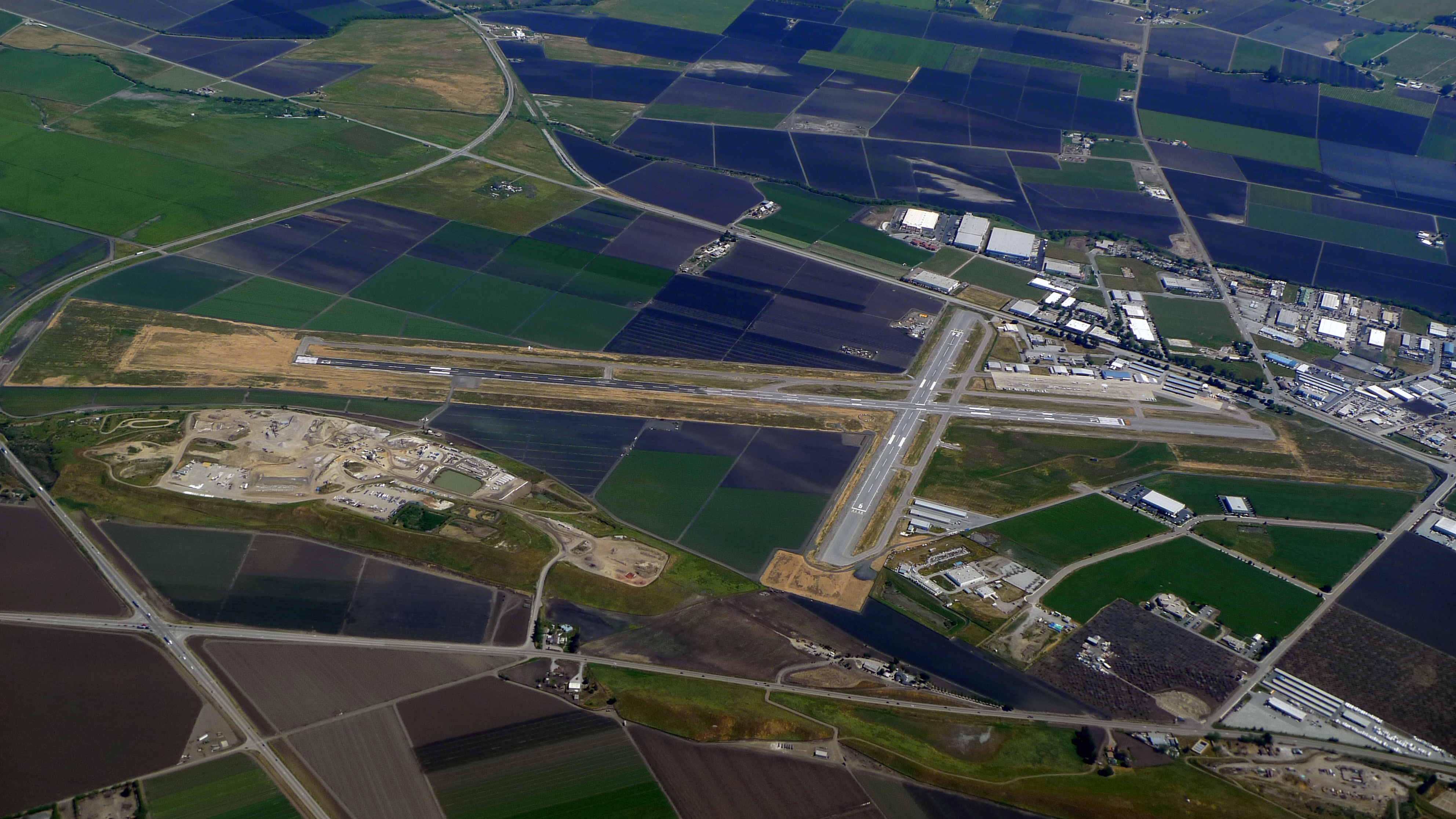
The final few feet may count most. Wisk Aero has opened a vertiport at California’s Hollister Municipal Airport, announcing its operational launch on October 30, 2026. For private aviation, the real work follows the ceremony: proving how an autonomous aircraft approaches, lands and departs within an airport environment.
The distinction warrants a close read. Wisk’s October 2026 announcement describes the facility as one of the first vertiports at a US public airport intended to support piloted and autonomous operations. Hollister is a flight-test installation; its opening doesn’t announce passenger service.
A Small Footprint, a Demanding Assignment
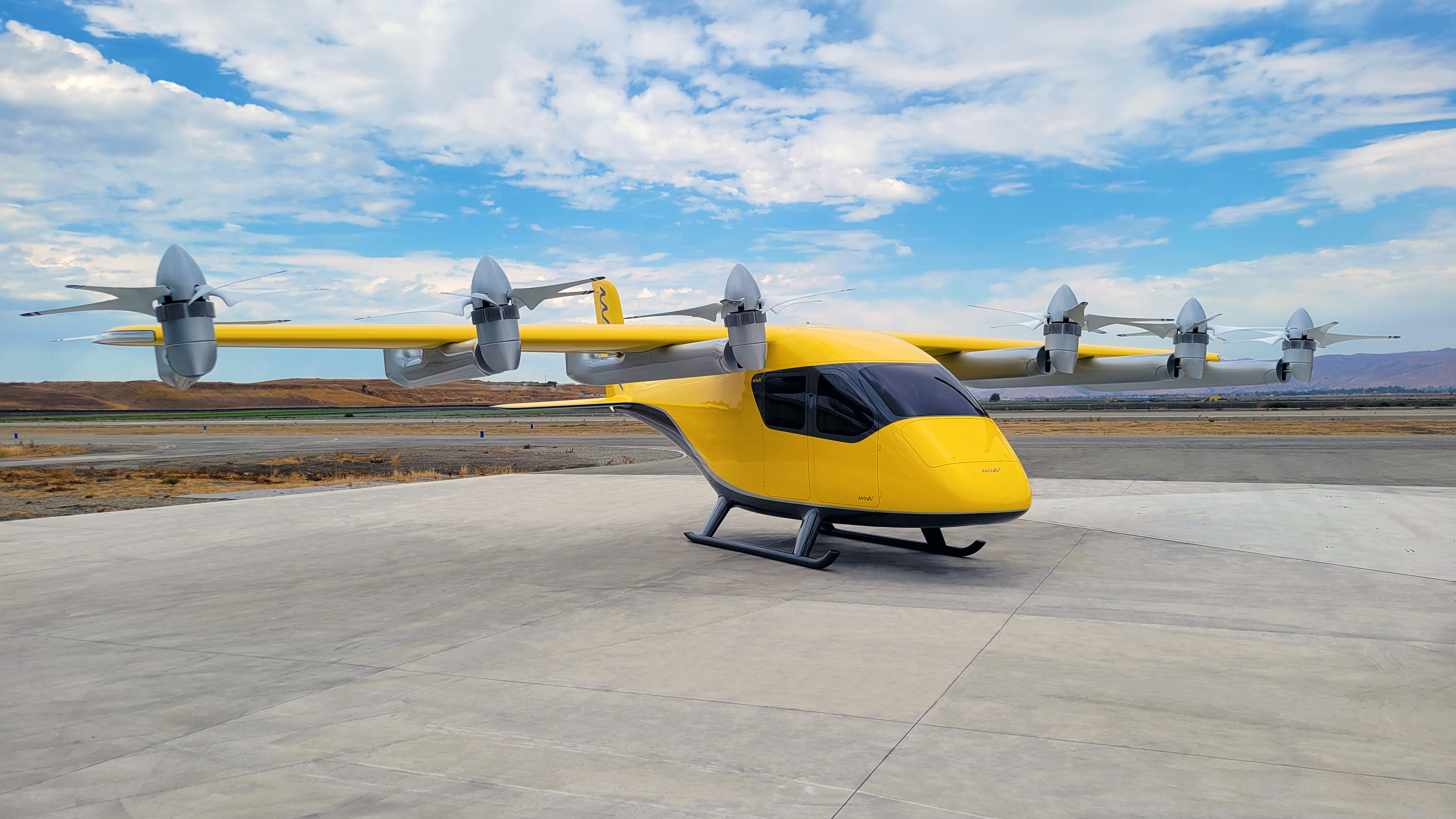
Aviation Week’s November 2026 coverage confirms a 10,000-square-foot facility beside Wisk’s existing flight-test site. The pad measures 100 feet by 100 feet, giving Wisk a dedicated setting for its Generation 6 eVTOL and precision-landing development.
The dimensions are modest. The assignment isn’t.
Wisk’s October 2026 announcement sets out a test programme covering terminal-area procedures, precision landings and validation of approach and departure profiles. The planned conditions are demanding. Work includes reduced- and zero-visibility conditions and navigation without GPS, using surrogate helicopters and the Generation 6 aircraft among the intended test platforms.
What if the landing can’t proceed? Missed approaches belong alongside routine touchdowns in assessing whether an autonomous aircraft can complete the arrival sequence with confidence. An owner accustomed to a private flight’s discretion and predictability would want that assurance, not merely a smooth touchdown. Hollister offers somewhere to develop that capability. Opening the facility doesn’t establish it.
Infrastructure Designed to Travel
Wisk’s August 2026 groundbreaking announcement introduced a modular vertiport design potentially deployable in Texas. Construction began that month, ahead of the October 29 ribbon-cutting that the company recorded in its October announcement.
The design combines elevated steel structures, integrated solar panels, power banks and taxiway connectors. Wisk says the installation is relocatable. That could allow adaptation for other flight-test locations, potentially including Texas under FAA’s eVTOL Integration Pilot Program, or eIPP. Deployment remains possible, not a confirmed operating network.
For infrastructure investors, repeatability carries more weight. A transferable design could let an operator apply lessons across test locations without approaching each pad as a separate engineering exercise. The modular design could make future deployments more efficient, although Wisk has not disclosed the construction cost or quantified any potential savings.
The Buyer’s Measure: Evidence Before Convenience
Wisk says in its October 2026 announcement that it designed the facility to meet existing FAA vertiport design standards. The data could have broader uses. Operational data may support eIPP and inform refinement of FAA’s Unified Vertical Lift Infrastructure Advisory Circular.
Those milestones don’t establish aircraft certification or commercial readiness. The completed pad provides a physical testing environment, but the programme must still deliver evidence that makes the infrastructure useful.
For business aviation, Hollister offers a proving ground for a possible future access layer—not a replacement for established private-aircraft capability. The investment question is practical: can Wisk turn repeatable approaches, missed approaches and precision landings into a transferable operating system?
Watch the test results. The ribbon is already cut.
Sources
California is backing a regional network. It’s putting $7.45 million into a four-airport advanced-air-mobility corridor linking Watsonville, Marina, Salinas and Hollister, giving Wisk’s new vertiport a role beyond flight testing. Hollister is one node in that planned network, but corridor development doesn’t mean passenger service is ready.
The final few feet may count most. Wisk Aero has opened a vertiport at California’s Hollister Municipal Airport, announcing its operational launch on October 30, 2026. For private aviation, the real work follows the ceremony: proving how an autonomous aircraft approaches, lands and departs within an airport environment.
The distinction warrants a close read. Wisk’s October 2026 announcement describes the facility as one of the first vertiports at a US public airport intended to support piloted and autonomous operations. Hollister is a flight-test installation; its opening doesn’t announce passenger service.
A Small Footprint, a Demanding Assignment
Aviation Week’s November 2026 coverage confirms a 10,000-square-foot facility beside Wisk’s existing flight-test site. The pad measures 100 feet by 100 feet, giving Wisk a dedicated setting for its Generation 6 eVTOL and precision-landing development.
The dimensions are modest. The assignment isn’t.
Wisk’s October 2026 announcement sets out a test programme covering terminal-area procedures, precision landings and validation of approach and departure profiles. The planned conditions are demanding. Work includes reduced- and zero-visibility conditions and navigation without GPS, using surrogate helicopters and the Generation 6 aircraft among the intended test platforms.
What if the landing can’t proceed? Missed approaches belong alongside routine touchdowns in assessing whether an autonomous aircraft can complete the arrival sequence with confidence. An owner accustomed to a private flight’s discretion and predictability would want that assurance, not merely a smooth touchdown. Hollister offers somewhere to develop that capability. Opening the facility doesn’t establish it.

Sponsored by Jet24 global
Infrastructure Designed to Travel
Wisk’s August 2026 groundbreaking announcement introduced a modular vertiport design potentially deployable in Texas. Construction began that month, ahead of the October 29 ribbon-cutting that the company recorded in its October announcement.
The design combines elevated steel structures, integrated solar panels, power banks and taxiway connectors. Wisk says the installation is relocatable. That could allow adaptation for other flight-test locations, potentially including Texas under FAA’s eVTOL Integration Pilot Program, or eIPP. Deployment remains possible, not a confirmed operating network.
For infrastructure investors, repeatability carries more weight. A transferable design could let an operator apply lessons across test locations without approaching each pad as a separate engineering exercise. The modular design could make future deployments more efficient, although Wisk has not disclosed the construction cost or quantified any potential savings.
The Buyer’s Measure: Evidence Before Convenience
Wisk says in its October 2026 announcement that it designed the facility to meet existing FAA vertiport design standards. The data could have broader uses. Operational data may support eIPP and inform refinement of FAA’s Unified Vertical Lift Infrastructure Advisory Circular.
Those milestones don’t establish aircraft certification or commercial readiness. The completed pad provides a physical testing environment, but the programme must still deliver evidence that makes the infrastructure useful.
For business aviation, Hollister offers a proving ground for a possible future access layer—not a replacement for established private-aircraft capability. The investment question is practical: can Wisk turn repeatable approaches, missed approaches and precision landings into a transferable operating system?
Watch the test results. The ribbon is already cut.
Sources
Frequently asked questions
- What is Wisk’s Hollister vertiport used for?
- The 10,000-square-foot facility supports testing Wisk’s Generation 6 eVTOL, including precision landings, approach and departure procedures, and operations in reduced visibility or without GPS. It is a flight-test site, not a passenger terminal.
- Is Wisk’s Hollister vertiport open for passenger service?
- No. The vertiport is intended for flight testing and does not mean autonomous passenger service is ready or that the aircraft is certified for commercial operations.
- What will Wisk test at the Hollister vertiport?
- Testing is planned for terminal-area procedures, precision landings, approach and departure profiles, missed approaches, reduced- and zero-visibility conditions, and navigation without GPS.
Popular tags: