- News
- May 13, 2026
- 5 min read
Airbus Targets Higher ACJ TwoTwenty Sales in India
The manufacturer considers India the strongest business jet market in South Asia.


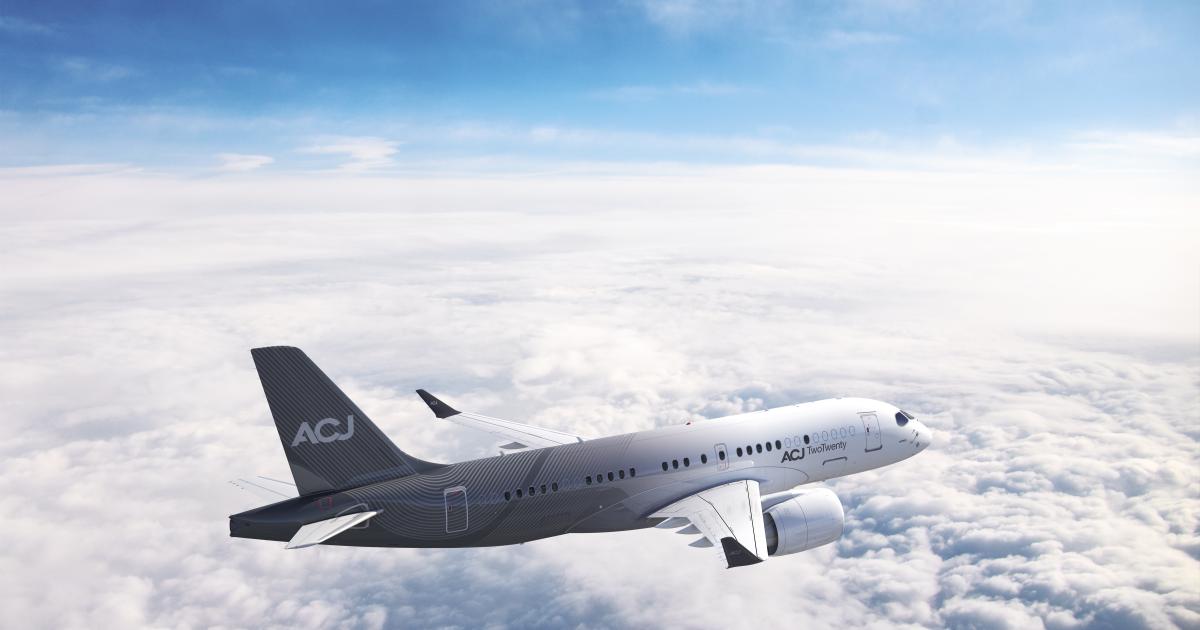
India has become one of the main Asian markets for the Airbus Corporate Jets ACJ TwoTwenty business jet. The manufacturer expects the aircraft to gain popularity on the continent after Malaysia’s AirAsia ordered 150 A220-300s, the ACJ’s sister aircraft, on May 6.
“The upswing in Indian aviation is clear, and business aviation is following the same trend,” said Airbus Corporate Jets President Chadi Saade. He noted that the country has more than 200 billionaires who need business jet capacity both for regional flights and for multi-leg journeys on popular routes such as India–UK.
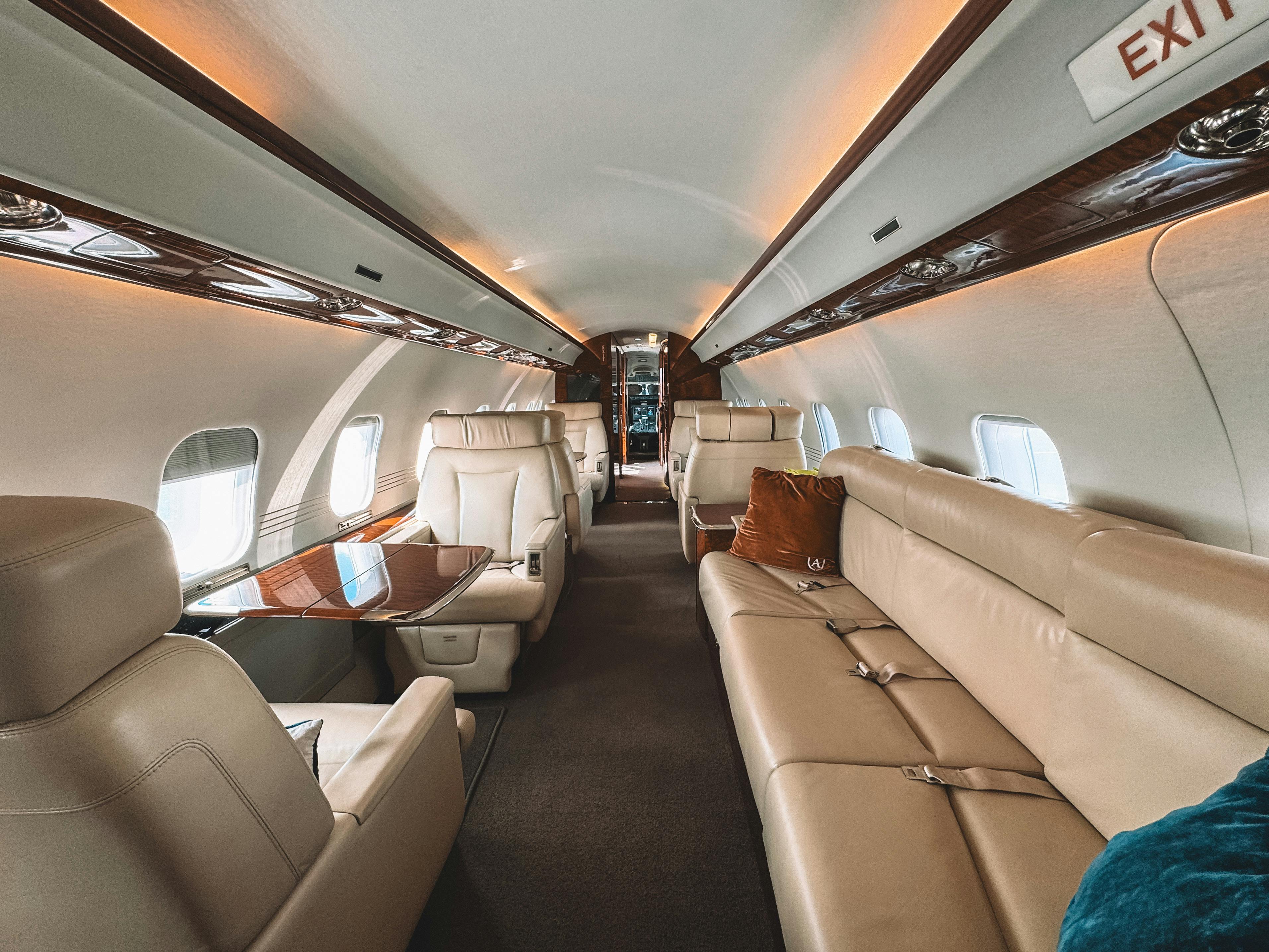
“Our ACJ TwoTwenty occupies its own niche in the extra-large business jet segment, offering airline-level efficiency, a spacious cabin and operating costs 20–30% lower than traditional large business jets, despite similar parking requirements,” Saade said. “At high-altitude, challenging airports such as Kathmandu in Nepal, we have a clear advantage in reliability and takeoff performance.”
According to Saade, Airbus Corporate Jets gives VIP buyers dedicated access to pre-reserved production slots, helping them avoid lengthy delays and accelerating deliveries from the Montreal plant. Three ACJ TwoTwenty aircraft are already operating in the Middle East, and the first delivery to Asia—an ACJ currently undergoing completion—is expected to potentially go to an owner in Indonesia or Malaysia.
Further ACJ TwoTwenty deliveries to Asia are due in 2027 and 2028, with one of them expected to go to India. At present, India’s 40% import duty and bureaucratic obstacles lead many buyers based there to prefer offshore registries for their business jets.
“In India, we are also seeing demand for shuttle services using A320/A350 aircraft equipped with full business-class seating for hotel chains, travel companies and sports teams,” Saade explained. He noted that financing options such as dry leasing and other bank-backed arrangements are readily available in the Asian market, including India.
Infrastructure shortcomings, such as insufficient apron parking and a shortage of FBOs at the key airports in Mumbai and Delhi, are constraining business aviation growth. However, Saade said plans to build 50 new airports should ease these constraints and spur growth.
Indian Prime Minister Narendra Modi and other officials currently travel on two widebody Boeing 777-300ER aircraft operated by the country’s armed forces. Similar government uses are also a target for Airbus’s corporate aircraft sales division.
The company is offering the ACJ TwoTwenty or ACJ 319neo as an option for the Indian Air Force to replace four Embraer Legacy 600 aircraft that have been in service for the past two decades. The manufacturer is offering a 19-seat VIP cabin configuration and said it can meet the Indian government’s offset requirements, under which 30% of the aircraft’s components must be produced in India and the electronic suite will be installed under Air Force supervision.
India has become one of the main Asian markets for the Airbus Corporate Jets ACJ TwoTwenty business jet. The manufacturer expects the aircraft to gain popularity on the continent after Malaysia’s AirAsia ordered 150 A220-300s, the ACJ’s sister aircraft, on May 6.
“The upswing in Indian aviation is clear, and business aviation is following the same trend,” said Airbus Corporate Jets President Chadi Saade. He noted that the country has more than 200 billionaires who need business jet capacity both for regional flights and for multi-leg journeys on popular routes such as India–UK.
“Our ACJ TwoTwenty occupies its own niche in the extra-large business jet segment, offering airline-level efficiency, a spacious cabin and operating costs 20–30% lower than traditional large business jets, despite similar parking requirements,” Saade said. “At high-altitude, challenging airports such as Kathmandu in Nepal, we have a clear advantage in reliability and takeoff performance.”
Sponsored by Jet24 global
According to Saade, Airbus Corporate Jets gives VIP buyers dedicated access to pre-reserved production slots, helping them avoid lengthy delays and accelerating deliveries from the Montreal plant. Three ACJ TwoTwenty aircraft are already operating in the Middle East, and the first delivery to Asia—an ACJ currently undergoing completion—is expected to potentially go to an owner in Indonesia or Malaysia.
Further ACJ TwoTwenty deliveries to Asia are due in 2027 and 2028, with one of them expected to go to India. At present, India’s 40% import duty and bureaucratic obstacles lead many buyers based there to prefer offshore registries for their business jets.
“In India, we are also seeing demand for shuttle services using A320/A350 aircraft equipped with full business-class seating for hotel chains, travel companies and sports teams,” Saade explained. He noted that financing options such as dry leasing and other bank-backed arrangements are readily available in the Asian market, including India.
Infrastructure shortcomings, such as insufficient apron parking and a shortage of FBOs at the key airports in Mumbai and Delhi, are constraining business aviation growth. However, Saade said plans to build 50 new airports should ease these constraints and spur growth.
Indian Prime Minister Narendra Modi and other officials currently travel on two widebody Boeing 777-300ER aircraft operated by the country’s armed forces. Similar government uses are also a target for Airbus’s corporate aircraft sales division.
The company is offering the ACJ TwoTwenty or ACJ 319neo as an option for the Indian Air Force to replace four Embraer Legacy 600 aircraft that have been in service for the past two decades. The manufacturer is offering a 19-seat VIP cabin configuration and said it can meet the Indian government’s offset requirements, under which 30% of the aircraft’s components must be produced in India and the electronic suite will be installed under Air Force supervision.
Popular tags: