- News
- Apr 25, 2024
- 7 min read
Bombardier Deliveries Fall as Orders Rise
Bombardier’s first-quarter revenue fell 12% as deliveries declined, but orders rose 60% year over year. The company still expects to deliver 150–155 aircraft in 2024, with deliveries weighted toward Challenger jets, while Global deliveries are expected to remain stable before increasing in 2025.


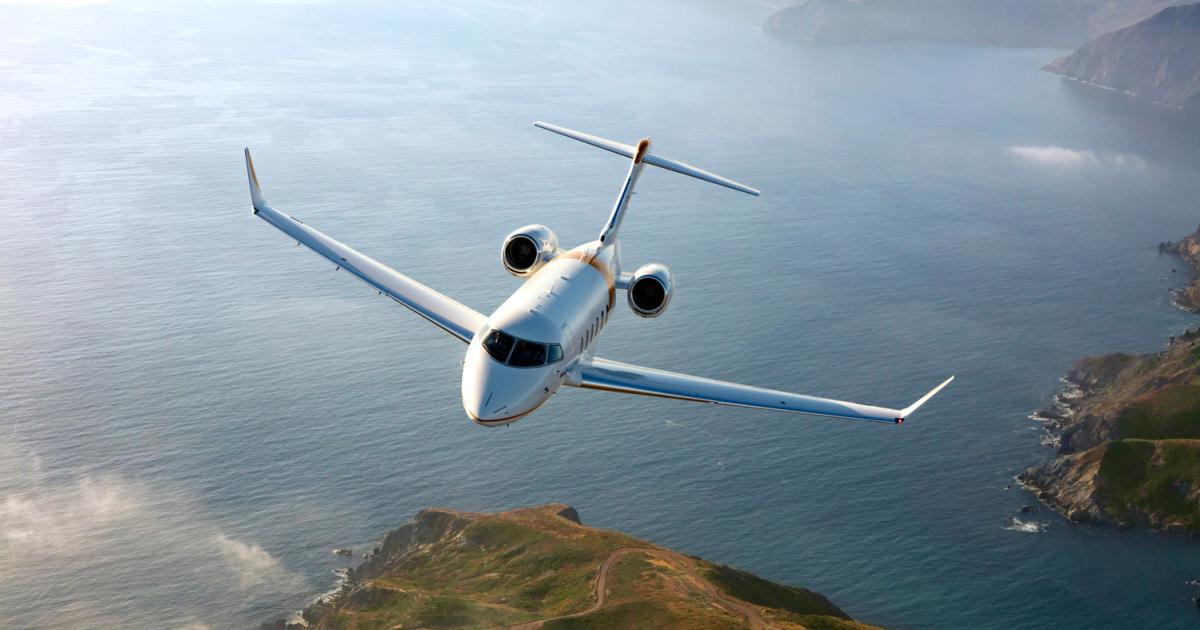
Bombardier’s revenue fell 12% to $1.3 billion as the aircraft manufacturer delivered 2 fewer aircraft in the first quarter. At the same time, however, the value of orders during the quarter increased 60% compared with the same period last year, helping boost the backlog by $700 million to $14.9 billion and resulting in a book-to-bill ratio of 1.6:1. In addition, the company’s aftermarket revenue rose 13% to $477 million, continuing an upward trend as the company has significantly expanded its presence worldwide.
Overall, Bombardier president and CEO Éric Martel noted the strong results delivered by the team. Deliveries are tracking to the company’s plan for the year, as the manufacturer adjusted its delivery profile to address supply chain issues. “Our goal in the first half of the year is to build inventory to deliver higher volumes of aircraft in the second half,” he said.
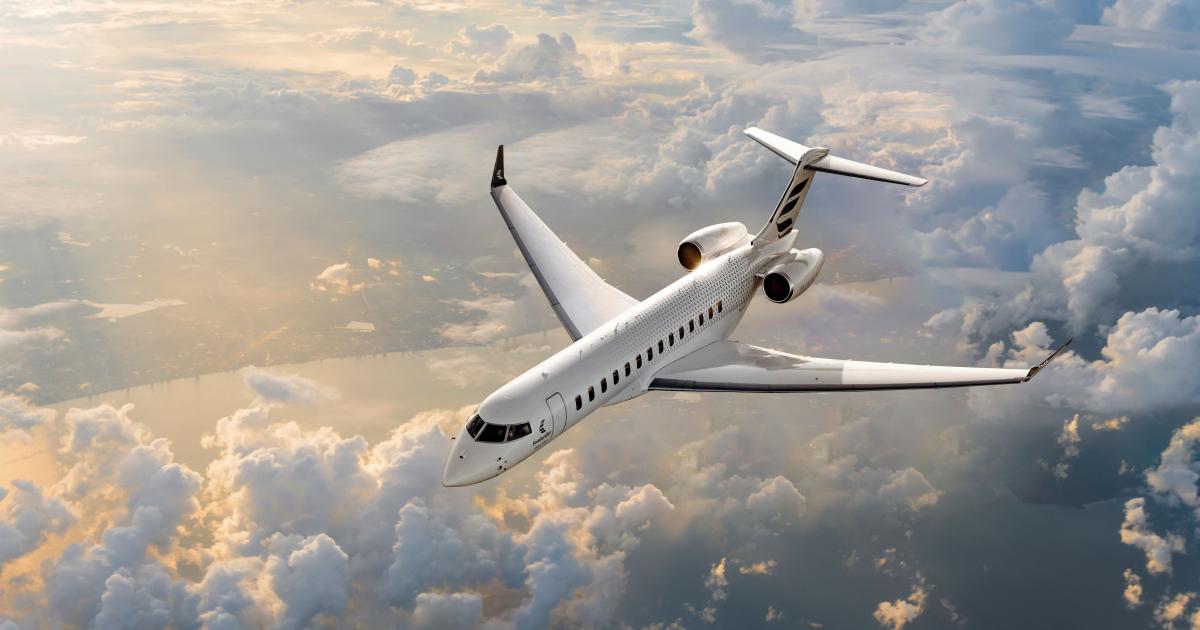
In addition, the company expects deliveries this year to be weighted more heavily toward Challenger aircraft, with Global delivery volumes remaining stable before increasing in 2025. Martel added that Bombardier remains on track to meet its plan of 150–155 aircraft this year. “We continue to have a multiyear and well-diversified backlog,” he said. “We have a clear view of the year ahead, as well as where we need to be by 2025.”
As for first-quarter deliveries, the decline in revenue also reflects a change in mix: 8 ultra-long-range Global aircraft and 12 super-midsize Challenger aircraft were delivered. By comparison, there were 14 Global and 8 Challenger deliveries a year earlier. This shift also affected net income, which fell by nearly two-thirds from $302 million a year ago to $110 million for the quarter.
As for services, the company is carrying out its plans to grow aftermarket revenue into a $2 billion business by 2025, and it will not stop there, Martel stressed. Having expanded its service center footprint by 1 million sq ft over the past several years, the company has kept those facilities busy by bringing in more of the existing fleet each month. In addition, the Bombardier Smart Link Plus health monitoring unit also has a high adoption rate, which Martel said is key to the company’s organic aftermarket growth.
Bombardier is also encouraged by the market outlook, particularly as aircraft utilization continues to grow. “In fact, Bombardier aircraft recorded a 7% increase in flight hours in March 2024 compared with the same month last year,” he said. “That is a good sign that people have remained in business aviation since the pandemic.”
According to him, activity in the Middle East, Asia and the Americas remains strong, while Bombardier is seeing signs of growth in Europe. Last year ended with a large number of orders for the Challenger 3500, but this first quarter was marked by strong activity in the large-cabin sector. As expected, there is considerable activity around the Global family, and that trend should continue in 2024.
Bombardier continues to reduce its debt steadily and methodically, Martel added, running ahead of the company’s planned schedule and having the ability to repay $100 million of debt using excess cash. He also addressed the next member of the Global family, saying that deliveries of the 8000 are scheduled for the second half of 2025.
Asked about a new competitor that is just beginning deliveries—the Gulfstream G700—Martel said: “Of course, we always keep a close eye on what our competitors are doing, but I can tell you that right now we are seeing great success with the Global 7500 and 8000. Over the past couple of months, we have clearly seen movement toward our platform.”
Bombardier’s revenue fell 12% to $1.3 billion as the aircraft manufacturer delivered 2 fewer aircraft in the first quarter. At the same time, however, the value of orders during the quarter increased 60% compared with the same period last year, helping boost the backlog by $700 million to $14.9 billion and resulting in a book-to-bill ratio of 1.6:1. In addition, the company’s aftermarket revenue rose 13% to $477 million, continuing an upward trend as the company has significantly expanded its presence worldwide.
Overall, Bombardier president and CEO Éric Martel noted the strong results delivered by the team. Deliveries are tracking to the company’s plan for the year, as the manufacturer adjusted its delivery profile to address supply chain issues. “Our goal in the first half of the year is to build inventory to deliver higher volumes of aircraft in the second half,” he said.
In addition, the company expects deliveries this year to be weighted more heavily toward Challenger aircraft, with Global delivery volumes remaining stable before increasing in 2025. Martel added that Bombardier remains on track to meet its plan of 150–155 aircraft this year. “We continue to have a multiyear and well-diversified backlog,” he said. “We have a clear view of the year ahead, as well as where we need to be by 2025.”

Sponsored by Jet24 global
As for first-quarter deliveries, the decline in revenue also reflects a change in mix: 8 ultra-long-range Global aircraft and 12 super-midsize Challenger aircraft were delivered. By comparison, there were 14 Global and 8 Challenger deliveries a year earlier. This shift also affected net income, which fell by nearly two-thirds from $302 million a year ago to $110 million for the quarter.
As for services, the company is carrying out its plans to grow aftermarket revenue into a $2 billion business by 2025, and it will not stop there, Martel stressed. Having expanded its service center footprint by 1 million sq ft over the past several years, the company has kept those facilities busy by bringing in more of the existing fleet each month. In addition, the Bombardier Smart Link Plus health monitoring unit also has a high adoption rate, which Martel said is key to the company’s organic aftermarket growth.
Bombardier is also encouraged by the market outlook, particularly as aircraft utilization continues to grow. “In fact, Bombardier aircraft recorded a 7% increase in flight hours in March 2024 compared with the same month last year,” he said. “That is a good sign that people have remained in business aviation since the pandemic.”
According to him, activity in the Middle East, Asia and the Americas remains strong, while Bombardier is seeing signs of growth in Europe. Last year ended with a large number of orders for the Challenger 3500, but this first quarter was marked by strong activity in the large-cabin sector. As expected, there is considerable activity around the Global family, and that trend should continue in 2024.
Bombardier continues to reduce its debt steadily and methodically, Martel added, running ahead of the company’s planned schedule and having the ability to repay $100 million of debt using excess cash. He also addressed the next member of the Global family, saying that deliveries of the 8000 are scheduled for the second half of 2025.
Asked about a new competitor that is just beginning deliveries—the Gulfstream G700—Martel said: “Of course, we always keep a close eye on what our competitors are doing, but I can tell you that right now we are seeing great success with the Global 7500 and 8000. Over the past couple of months, we have clearly seen movement toward our platform.”
Popular tags: