- News
- Nov 25, 2026
- 6 min read
Flexible private jet access through a co-lease
Jet OUT’s co-lease pairs monthly payments with annual travel-day tiers, while buyers should review trip costs, availability and contract terms.


Fractional fleets grew from 990 aircraft in 2019 to 1,510 in 2025, while their share of business-aviation flight hours climbed from 14% to 20%, McKinsey’s 2026 industry analysis found. More customers want access, not whole aircraft.
Jet OUT puts entry at $10,400 a month. There's no upfront buy-in, but owners weighing private aviation against another investment in the operating business still face a contract question: does access justify the commitment?
More Choice, With a Longer Planning Horizon
Jet OUT’s November 2026 announcement offers customers a choice of 10, 20, 30 or 40 travel days annually under its Co-Lease programme. Buyers can lease access or pursue ownership. Co-Lease sits alongside the company’s Co-Ownership offering.
Monthly payments build travel days in a “day bank”, Jet OUT explains in its November 2026 programme blog. The same account sets out the commitment. Agreements follow the period the assigned aircraft is scheduled to remain in the fleet, which can extend up to five years.
That warrants a close look before signing. No upfront buy-in doesn’t mean the customer avoids a contractual commitment.
Start with the principal’s actual calendar. A family office should map those travel requirements against the available tiers before deciding which annual allocation best fits the principal’s schedule. Ten travel days might cover occasional board meetings or leisure departures; a more demanding calendar calls for a different allocation. Buyers should pin down Jet OUT’s definition of a travel day, when banked days become available and what happens to unused balances.
The $10,400 starting payment anchors a budget. It doesn't replace a complete trip-cost quotation covering flight-related charges, taxes, cancellation provisions and peak-period access—all subjects for the purchasing discussion.
Fleet Scale Gives the Offer Substance
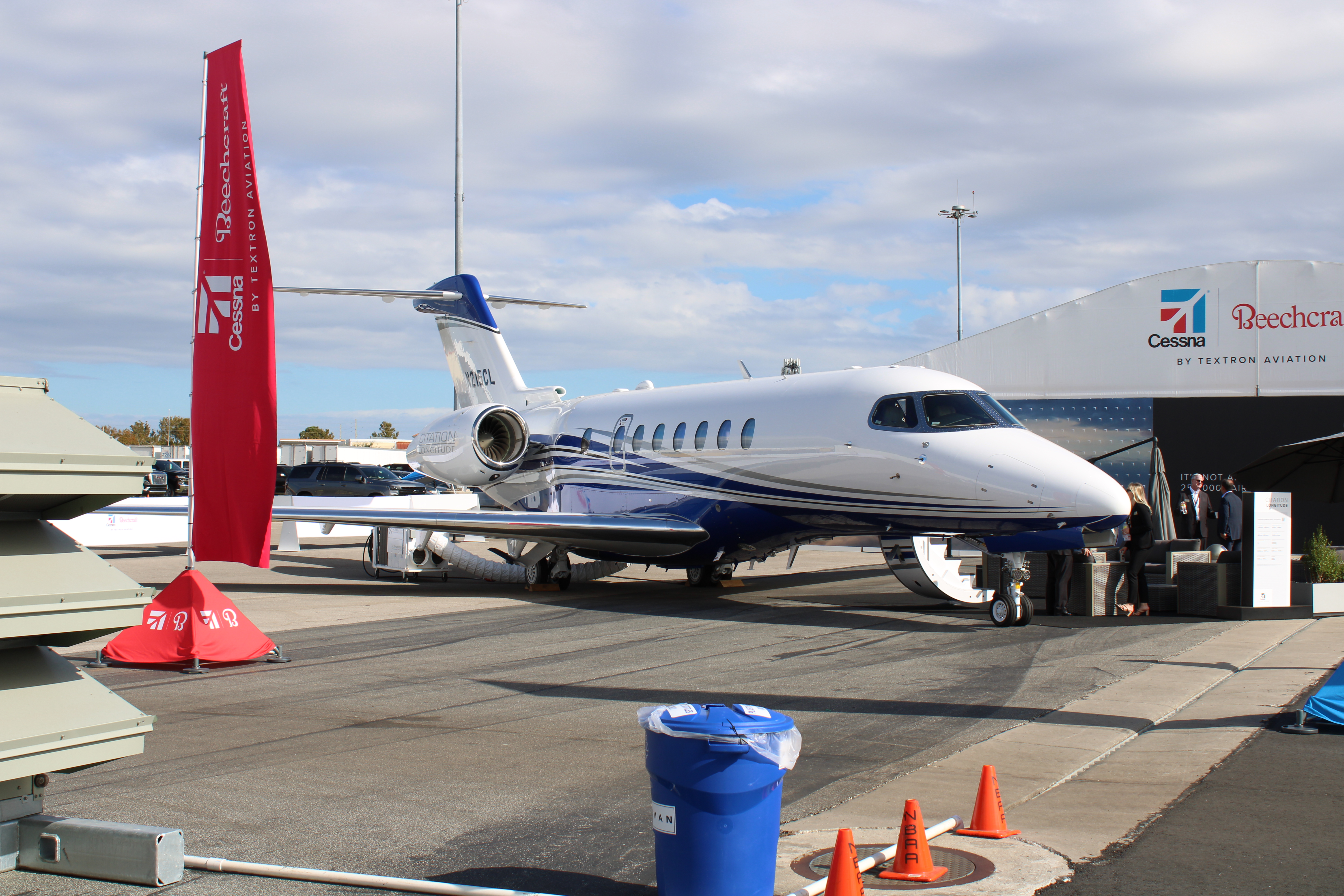
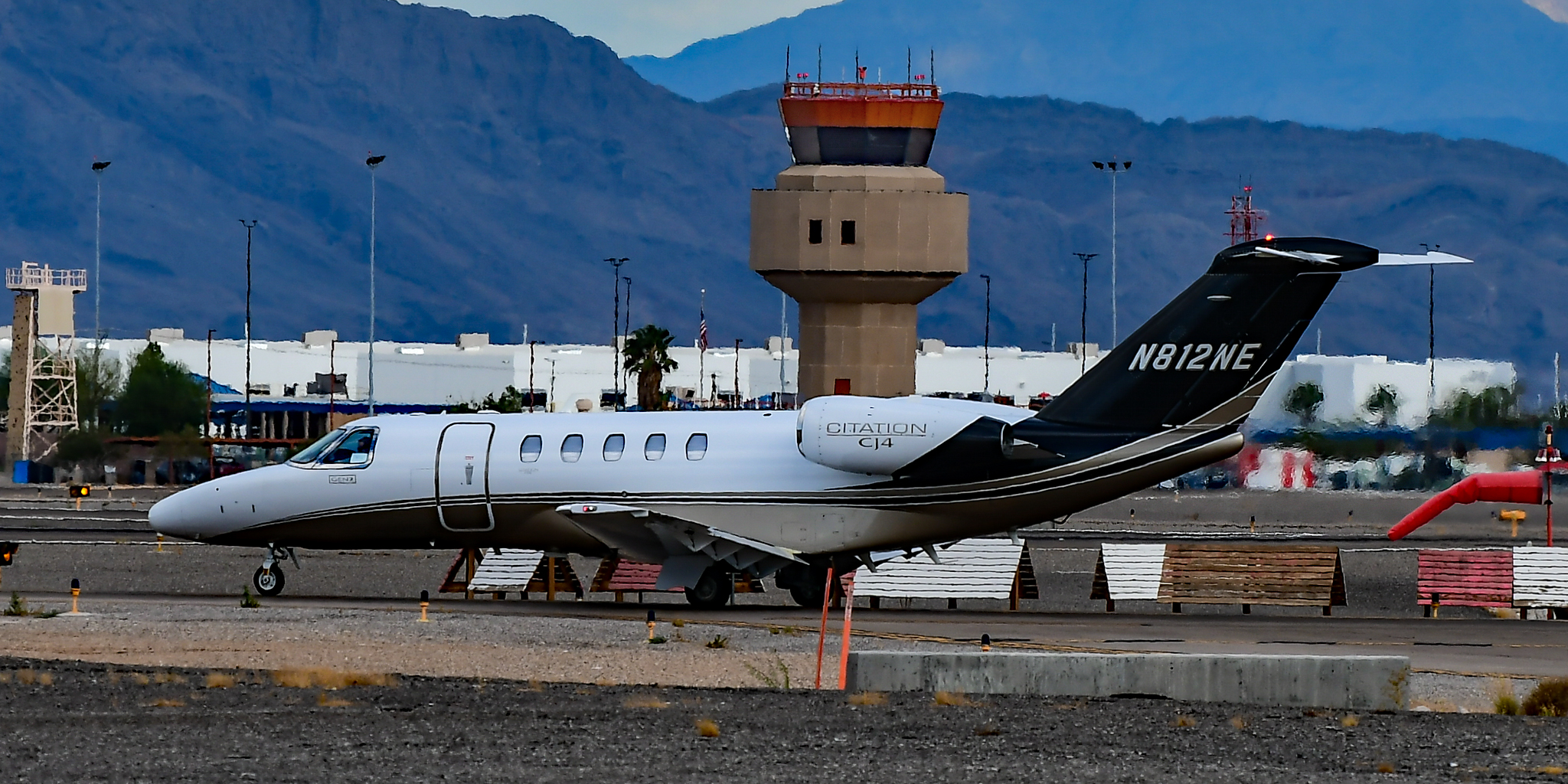
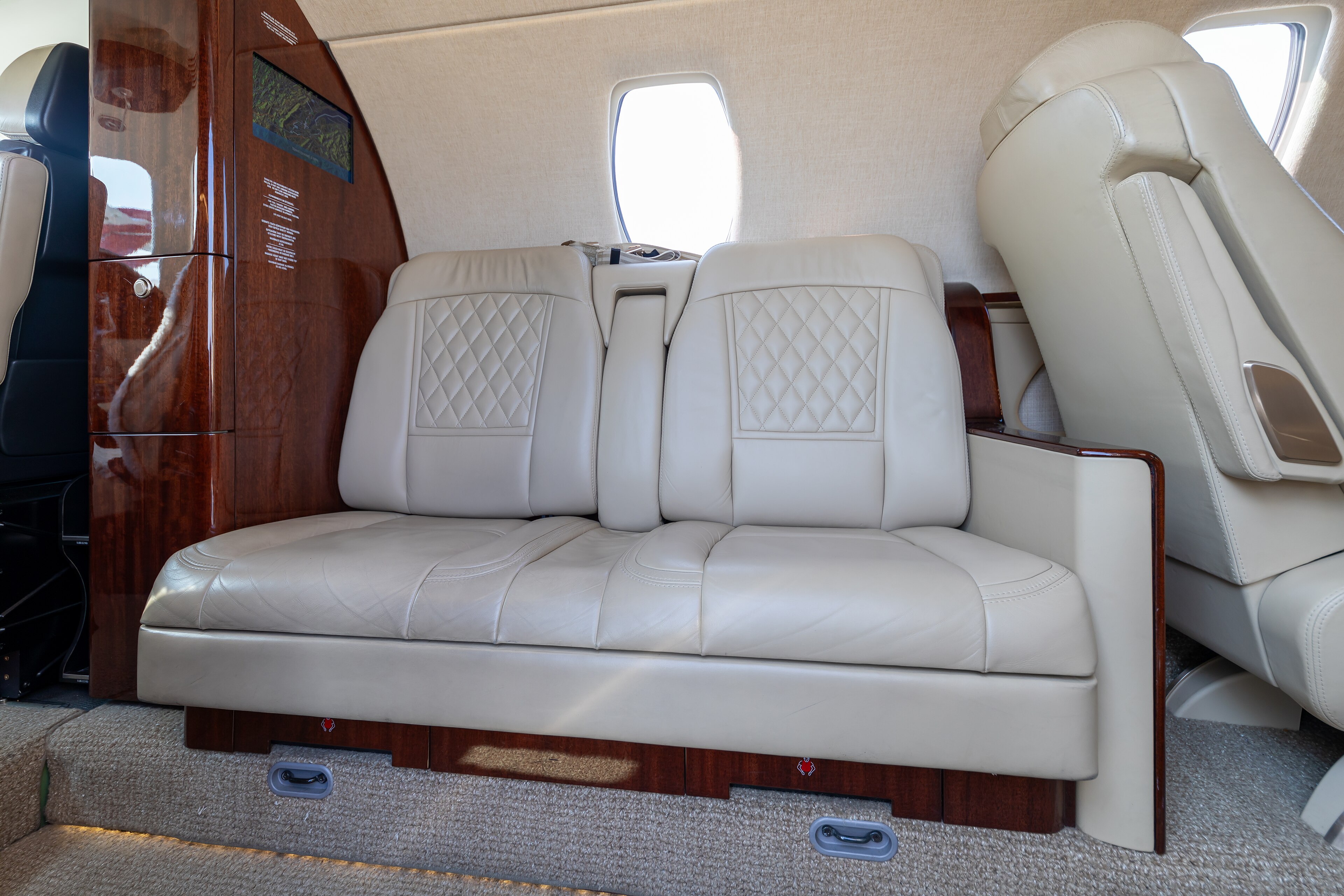
The fleet evidence is firmer. Aviation International News reports in October 2026 that Jet OUT has taken delivery of its 15th factory-new Cessna Citation CJ4 Gen2, describing an all-CJ4 fleet and the largest CJ4 charter fleet in the United States.
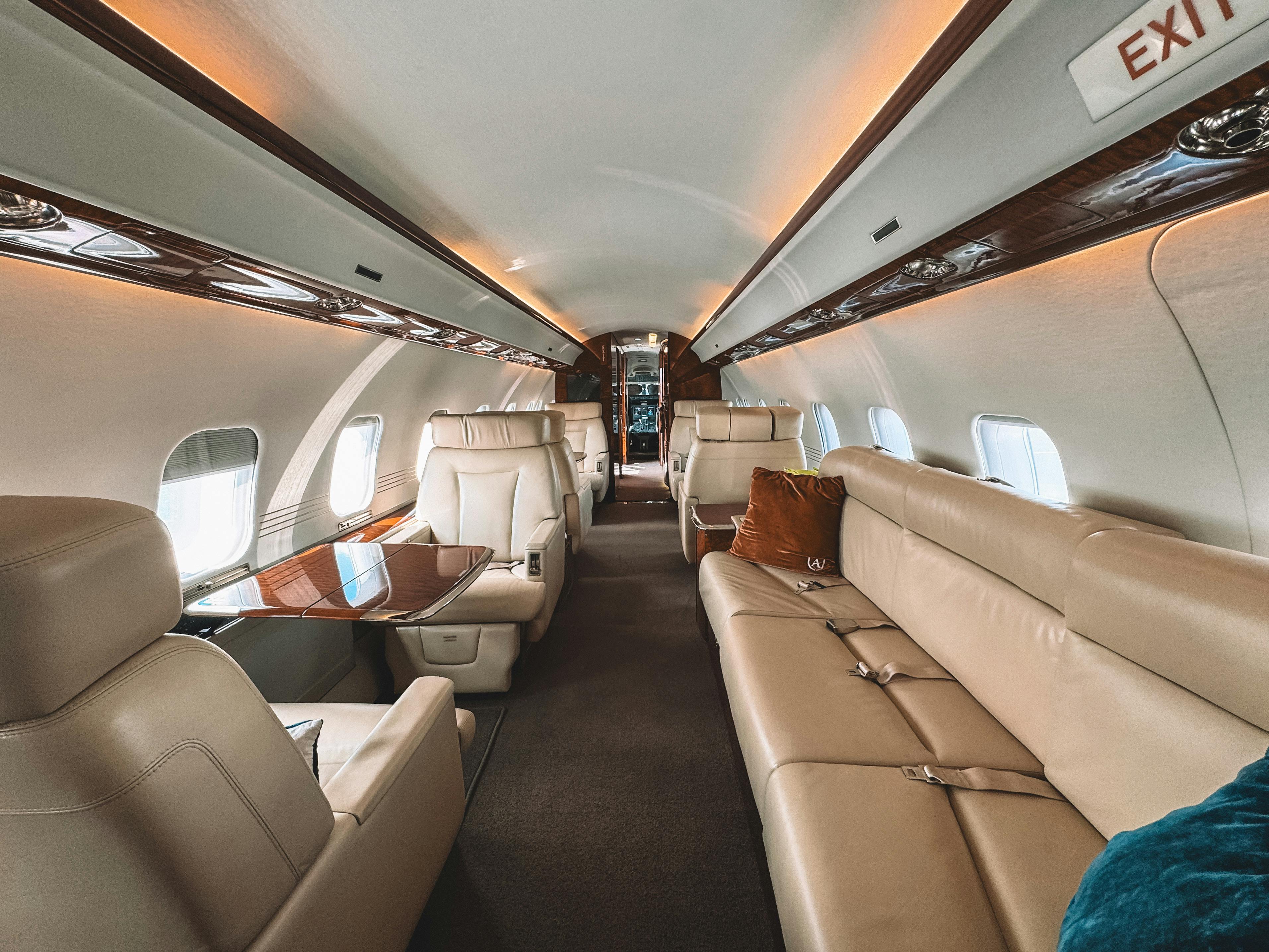
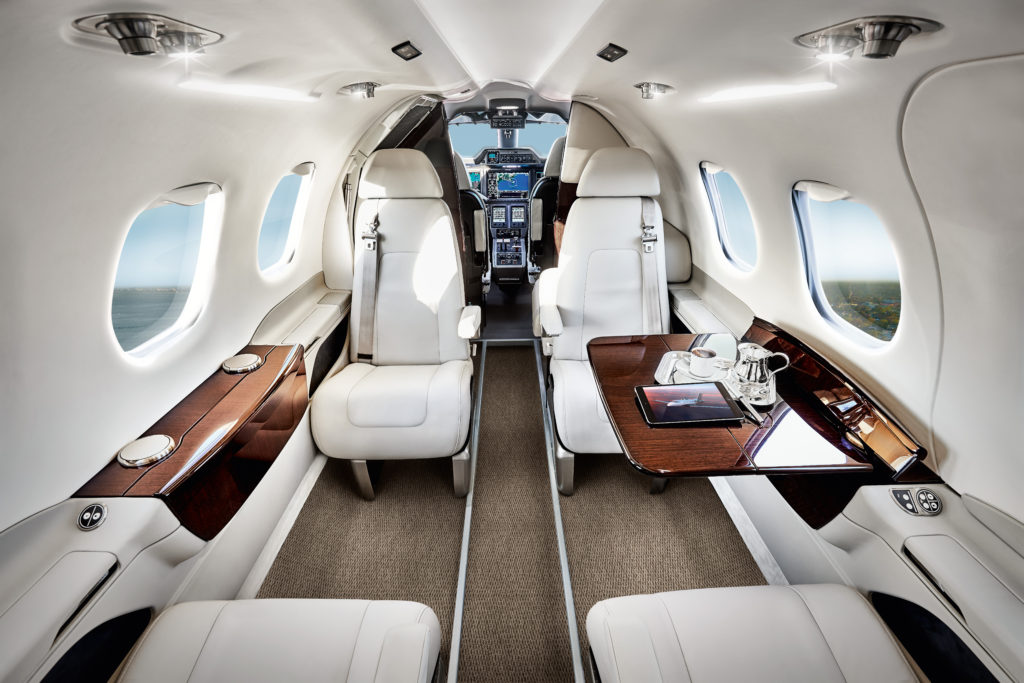
Consistency carries its own appeal. A repeat light-jet customer may put a familiar cabin environment ahead of an occasional upgrade into an aircraft they don’t know. Fleet commonality has an operational rationale, too. Aircraft count alone, however, doesn’t establish whether a jet will be available on the particular departure date a customer needs.
Jet OUT’s November 2026 announcement adds an Extended Zone reaching approximately twice as far from each base as its Home Zone for eligible repositioning-cost coverage.
Geography can change the trip economics. Repositioning means moving an aircraft to collect passengers or return it after a trip; broader coverage can change the economics of an otherwise identical itinerary. Twice the reach doesn’t mean twice the aircraft range, nor does it promise blanket coverage at every airport within that reach. Buyers should check their usual departure points against the eligibility map.
The Buyer’s Decision
Jet OUT’s revised Co-Lease makes its strongest pitch to customers seeking recurring private-flight access without tying up capital in an aircraft acquisition.
Jet OUT's 15-aircraft fleet and revised Co-Lease terms have been covered by independent aviation publications. However, customers should verify pricing, availability, cancellation rights and repositioning charges against their individual agreements. Buyers should request a written comparison built around actual itineraries, covering annual fixed payments, flight-related costs, repositioning treatment and exit obligations. Capital-light can make a compelling case. The contract still has to make the arithmetic equally persuasive.
Sources
Fractional fleets grew from 990 aircraft in 2019 to 1,510 in 2025, while their share of business-aviation flight hours climbed from 14% to 20%, McKinsey’s 2026 industry analysis found. More customers want access, not whole aircraft.
Jet OUT puts entry at $10,400 a month. There's no upfront buy-in, but owners weighing private aviation against another investment in the operating business still face a contract question: does access justify the commitment?
More Choice, With a Longer Planning Horizon
Jet OUT’s November 2026 announcement offers customers a choice of 10, 20, 30 or 40 travel days annually under its Co-Lease programme. Buyers can lease access or pursue ownership. Co-Lease sits alongside the company’s Co-Ownership offering.
Monthly payments build travel days in a “day bank”, Jet OUT explains in its November 2026 programme blog. The same account sets out the commitment. Agreements follow the period the assigned aircraft is scheduled to remain in the fleet, which can extend up to five years.
That warrants a close look before signing. No upfront buy-in doesn’t mean the customer avoids a contractual commitment.
Start with the principal’s actual calendar. A family office should map those travel requirements against the available tiers before deciding which annual allocation best fits the principal’s schedule. Ten travel days might cover occasional board meetings or leisure departures; a more demanding calendar calls for a different allocation. Buyers should pin down Jet OUT’s definition of a travel day, when banked days become available and what happens to unused balances.
The $10,400 starting payment anchors a budget. It doesn't replace a complete trip-cost quotation covering flight-related charges, taxes, cancellation provisions and peak-period access—all subjects for the purchasing discussion.
Fleet Scale Gives the Offer Substance
The fleet evidence is firmer. Aviation International News reports in October 2026 that Jet OUT has taken delivery of its 15th factory-new Cessna Citation CJ4 Gen2, describing an all-CJ4 fleet and the largest CJ4 charter fleet in the United States.
Consistency carries its own appeal. A repeat light-jet customer may put a familiar cabin environment ahead of an occasional upgrade into an aircraft they don’t know. Fleet commonality has an operational rationale, too. Aircraft count alone, however, doesn’t establish whether a jet will be available on the particular departure date a customer needs.
Jet OUT’s November 2026 announcement adds an Extended Zone reaching approximately twice as far from each base as its Home Zone for eligible repositioning-cost coverage.
Geography can change the trip economics. Repositioning means moving an aircraft to collect passengers or return it after a trip; broader coverage can change the economics of an otherwise identical itinerary. Twice the reach doesn’t mean twice the aircraft range, nor does it promise blanket coverage at every airport within that reach. Buyers should check their usual departure points against the eligibility map.

Sponsored by Jet24 global
The Buyer’s Decision
Jet OUT’s revised Co-Lease makes its strongest pitch to customers seeking recurring private-flight access without tying up capital in an aircraft acquisition.
Jet OUT's 15-aircraft fleet and revised Co-Lease terms have been covered by independent aviation publications. However, customers should verify pricing, availability, cancellation rights and repositioning charges against their individual agreements. Buyers should request a written comparison built around actual itineraries, covering annual fixed payments, flight-related costs, repositioning treatment and exit obligations. Capital-light can make a compelling case. The contract still has to make the arithmetic equally persuasive.
Sources
Frequently asked questions
- How much does Jet OUT Co-Lease cost?
- Jet OUT advertises Co-Lease starting at $10,400 per month with no upfront buy-in. Flight-related charges, taxes, and other costs may apply, so request a full quote for your itineraries.
- How many travel days can I get with Jet OUT Co-Lease?
- Customers can choose 10, 20, 30, or 40 travel days per year, with monthly payments building days in a day bank. Ask Jet OUT how travel days are defined, when they become available, and what happens to unused days.
- How long is a Jet OUT Co-Lease agreement?
- The agreement follows the period the assigned aircraft is scheduled to remain in Jet OUT’s fleet, up to five years. No upfront buy-in does not mean there is no contractual commitment, so review exit obligations before signing.
Popular tags:

Batuhan Altindag
Partner of Jet24 Global
Batuhan Altindag is a business aviation entrepreneur and expert, and a key contributor to Jets.Today, where he helps shape the publication’s editorial direction and industry coverage. Based in Istanbul, he has hands-on experience in airport operations and ground handling and knows the private aviation industry from the inside.
LinkedIn