- News
- Oct 29, 2026
- 7 min read
How private aviation access fees are being reshaped
Signature Access combines core FBO fees into one price, while optional services and select event surcharges remain separate.
Batuhan Altindag



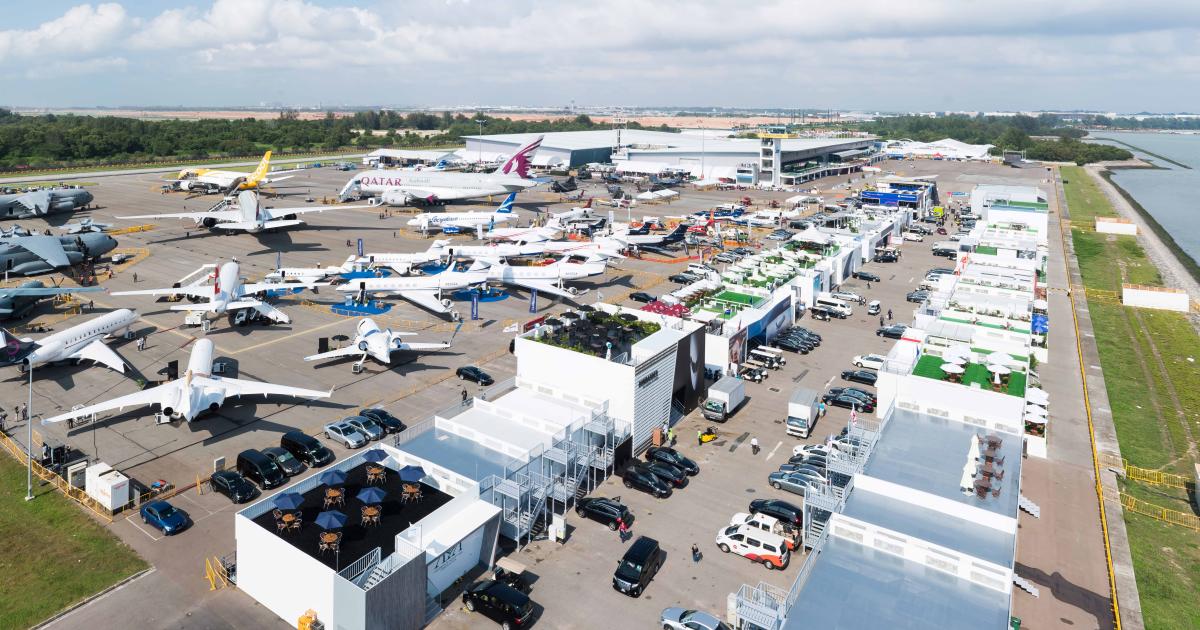
Signature handled 45,786 general-aviation operations across 37 bases during 2026 FIFA-related events—25% more than the previous year. Those surges put pressure on the ramp. Ground access becomes a question of capacity and cost, not merely another line on an operator’s invoice.
Signature Aviation introduced Signature Access on 27 October 2026 to help owners and flight departments anticipate FBO costs before arrival. Its planned 2027 retreat from most event fees is separate; clearer pricing doesn’t necessarily mean a lower bill.
One Access Price, With Defined Exceptions
Signature Aviation’s October 2026 announcement outlines one price for core access-related charges, calculated by aircraft size, ramp time and terminal location. The company’s October 2026 pricing page identifies handling, infrastructure and parking as the non-fuel charges the programme replaces across the vast majority of its continental US network.
Less time deciphering the invoice. More time planning the trip.
The variables remain firmly in place. Aircraft size, length of stay and destination still determine the bill; combining charges doesn’t turn access into a flat-rate product. A flight department comparing a brief passenger drop-off with an extended stay must price each visit, rather than assume one terminal charge covers every itinerary.
Fuel purchases can change the calculation. Signature’s October 2026 announcement confirms that eligible fuel purchases at continental US locations qualify guests for a first-hour waiver. Optional services, including hangar accommodation, ground power and lavatory servicing, remain separate; the consolidated access price doesn’t cover an all-inclusive ground-services package.
That distinction matters at the hangar door. An owner may value sheltered aircraft storage as much as a smooth passage through the terminal, but must assess hangar costs separately.
The rollout still requires a location check. At the October announcement, Signature says the programme is operating at selected locations, with further terminals joining in phases over the coming months. Its October 2026 Access webpage offers an estimator for anticipated visit costs; operators should confirm their destination has adopted the programme before relying on the new structure.
Event Fees Move to a Narrower Calendar
What happens when a championship or race weekend fills the destination?
The event-fee policy changes in 2027. Beginning then, Signature plans to limit event fees to what its October 2026 announcement calls a “very small number” of extraordinary-demand event categories. The company also commits to publishing applicable locations and pricing at least 30 days in advance.
The planned calendar includes Super Bowl LXI in Los Angeles and the College Football Playoff National Championship in Las Vegas. Art Basel in Miami Beach, US Open Tennis Championships and United Nations General Assembly in New York also appear on the list. Selected Formula 1 weekends in Miami, Montréal, Austin and Las Vegas complete the announced categories.
The scope narrows; event fees don’t disappear.
Signature’s April 2026 travel guidance links event fees to additional staffing, security coverage and expanded guest spaces during high-traffic events. That explains the company’s operational rationale. It doesn’t establish whether a particular surcharge matches the additional demands.
Earlier notice gives buyers more planning time. An owner planning a race weekend can assess the ground-services bill earlier under the promised notice period, before committing to the trip. Charter ops could use that visibility to quote a customer more accurately before the aircraft departs.
The Buyer’s Test: Predictability, Then the Total Bill
The test comes with the invoice. Judge Signature Access by how closely the final bill matches the estimate, not by how neatly the company consolidates its charges.
Flight departments should review the estimator, confirm fuel-waiver eligibility and obtain separate prices for optional services before committing to a visit. Event travel needs a location-specific check. Operators should check the published surcharge for their destination, rather than assume an event’s place on the calendar triggers a network-wide fee.
The commercial proposition has clear limits. It offers fewer overlapping access charges, clearer pricing inputs and earlier notice of exceptional fees—not evidence of an across-the-board cost reduction.
For owners and family offices, predictability offers the immediate benefit to test as they plan visits under the new pricing structure. Does the bill match the plan?
Sources
Signature handled 45,786 general-aviation operations across 37 bases during 2026 FIFA-related events—25% more than the previous year. Those surges put pressure on the ramp. Ground access becomes a question of capacity and cost, not merely another line on an operator’s invoice.
Signature Aviation introduced Signature Access on 27 October 2026 to help owners and flight departments anticipate FBO costs before arrival. Its planned 2027 retreat from most event fees is separate; clearer pricing doesn’t necessarily mean a lower bill.
One Access Price, With Defined Exceptions
Signature Aviation’s October 2026 announcement outlines one price for core access-related charges, calculated by aircraft size, ramp time and terminal location. The company’s October 2026 pricing page identifies handling, infrastructure and parking as the non-fuel charges the programme replaces across the vast majority of its continental US network.
Less time deciphering the invoice. More time planning the trip.
The variables remain firmly in place. Aircraft size, length of stay and destination still determine the bill; combining charges doesn’t turn access into a flat-rate product. A flight department comparing a brief passenger drop-off with an extended stay must price each visit, rather than assume one terminal charge covers every itinerary.
Fuel purchases can change the calculation. Signature’s October 2026 announcement confirms that eligible fuel purchases at continental US locations qualify guests for a first-hour waiver. Optional services, including hangar accommodation, ground power and lavatory servicing, remain separate; the consolidated access price doesn’t cover an all-inclusive ground-services package.
That distinction matters at the hangar door. An owner may value sheltered aircraft storage as much as a smooth passage through the terminal, but must assess hangar costs separately.
The rollout still requires a location check. At the October announcement, Signature says the programme is operating at selected locations, with further terminals joining in phases over the coming months. Its October 2026 Access webpage offers an estimator for anticipated visit costs; operators should confirm their destination has adopted the programme before relying on the new structure.

Sponsored by Jet24 global
Event Fees Move to a Narrower Calendar
What happens when a championship or race weekend fills the destination?
The event-fee policy changes in 2027. Beginning then, Signature plans to limit event fees to what its October 2026 announcement calls a “very small number” of extraordinary-demand event categories. The company also commits to publishing applicable locations and pricing at least 30 days in advance.
The planned calendar includes Super Bowl LXI in Los Angeles and the College Football Playoff National Championship in Las Vegas. Art Basel in Miami Beach, US Open Tennis Championships and United Nations General Assembly in New York also appear on the list. Selected Formula 1 weekends in Miami, Montréal, Austin and Las Vegas complete the announced categories.
The scope narrows; event fees don’t disappear.
Signature’s April 2026 travel guidance links event fees to additional staffing, security coverage and expanded guest spaces during high-traffic events. That explains the company’s operational rationale. It doesn’t establish whether a particular surcharge matches the additional demands.
Earlier notice gives buyers more planning time. An owner planning a race weekend can assess the ground-services bill earlier under the promised notice period, before committing to the trip. Charter ops could use that visibility to quote a customer more accurately before the aircraft departs.
The Buyer’s Test: Predictability, Then the Total Bill
The test comes with the invoice. Judge Signature Access by how closely the final bill matches the estimate, not by how neatly the company consolidates its charges.
Flight departments should review the estimator, confirm fuel-waiver eligibility and obtain separate prices for optional services before committing to a visit. Event travel needs a location-specific check. Operators should check the published surcharge for their destination, rather than assume an event’s place on the calendar triggers a network-wide fee.
The commercial proposition has clear limits. It offers fewer overlapping access charges, clearer pricing inputs and earlier notice of exceptional fees—not evidence of an across-the-board cost reduction.
For owners and family offices, predictability offers the immediate benefit to test as they plan visits under the new pricing structure. Does the bill match the plan?
Sources
Frequently asked questions
- What is Signature Access?
- Signature Access combines core FBO access charges—handling, infrastructure and parking—into one price based on aircraft size, time on the ramp and terminal location. It is available at selected locations, with further terminals expected to join in phases.
- Does Signature Access include all FBO services?
- No. Hangar accommodation, ground power and lavatory servicing remain optional, separately priced services. Eligible fuel purchases at continental US locations qualify for a first-hour access-fee waiver.
- Is Signature eliminating event fees in 2027?
- No. Signature plans to limit event fees to a small number of extraordinary-demand events and publish applicable locations and prices at least 30 days in advance. The pricing change is intended to improve predictability, but it does not guarantee lower costs.