- News
- Nov 9, 2026
- 6 min read
How the H140 medical layout supports patient access
The H140 concept features a straight loading edge, central medical console and configurable equipment mounts; the mock-up remains under development.
Batuhan Altindag


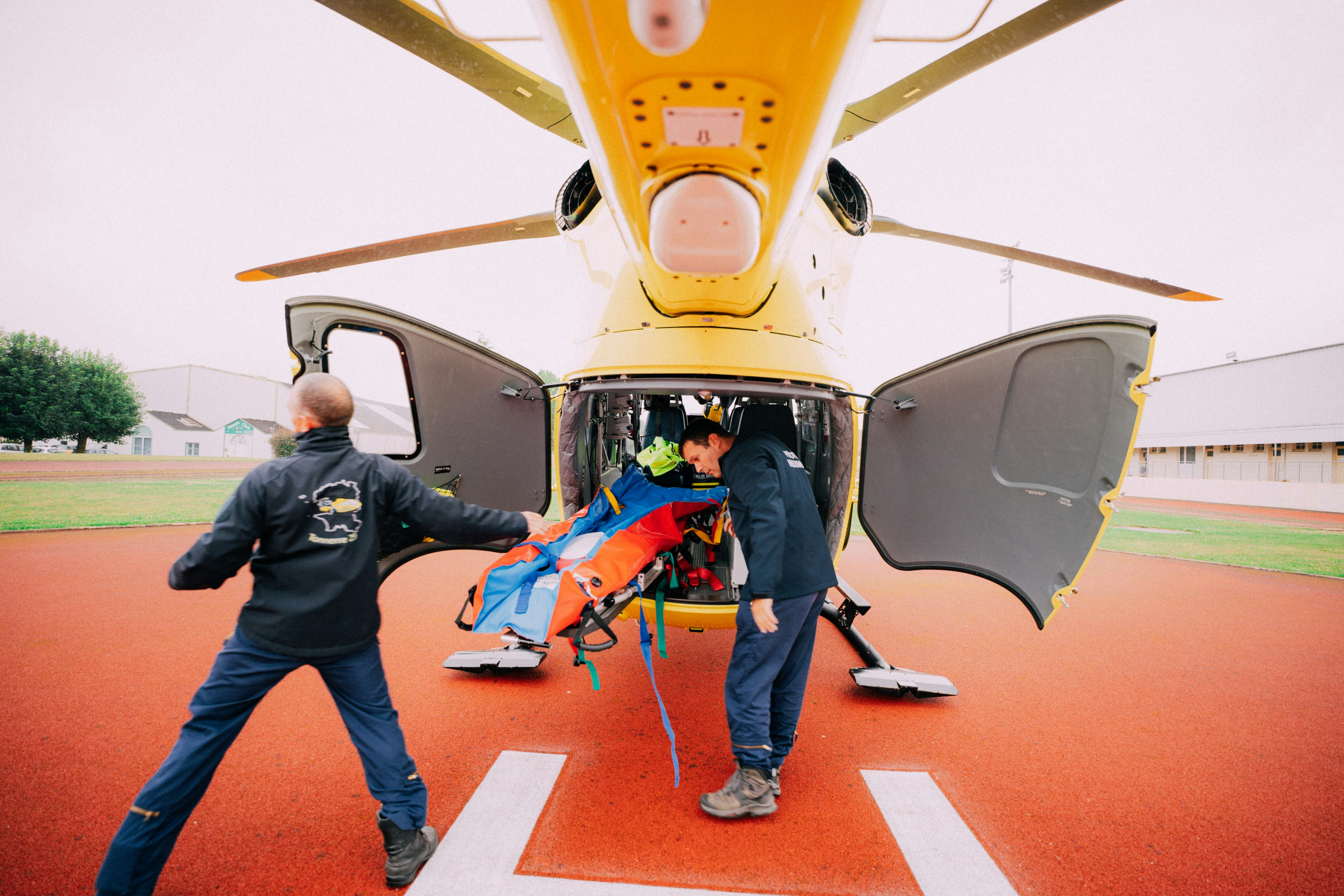
More than 100 H140 commitments, including 61 firm contracts, had accumulated by April 2026. The cabin now warrants closer scrutiny. For operators weighing the new helicopter, its medical layout will determine how crews load patients, reach equipment and deliver care—not simply how the interior looks.
Metro Aviation’s concept puts operations before showroom appeal. Its straight-edged loading area is a modest design change, but one that directly affects how crews position a stretcher and access the patient.
A Small Geometry Change With Operational Weight
Metro Aviation’s October 2026 account details the change. The H140 replaces the H135’s rounded rear floor edge with a straight edge, allowing a stretcher to align squarely with the cabin entrance. The geometry addresses potential misalignment or slipping during loading and unloading.
More space helps. Geometry matters too.
The two changes address different problems. A larger cabin can improve access around the patient in flight; the revised loading threshold tackles getting that patient aboard. Neither improvement has yet been linked to published data showing a measurable reduction in patient-loading incidents.
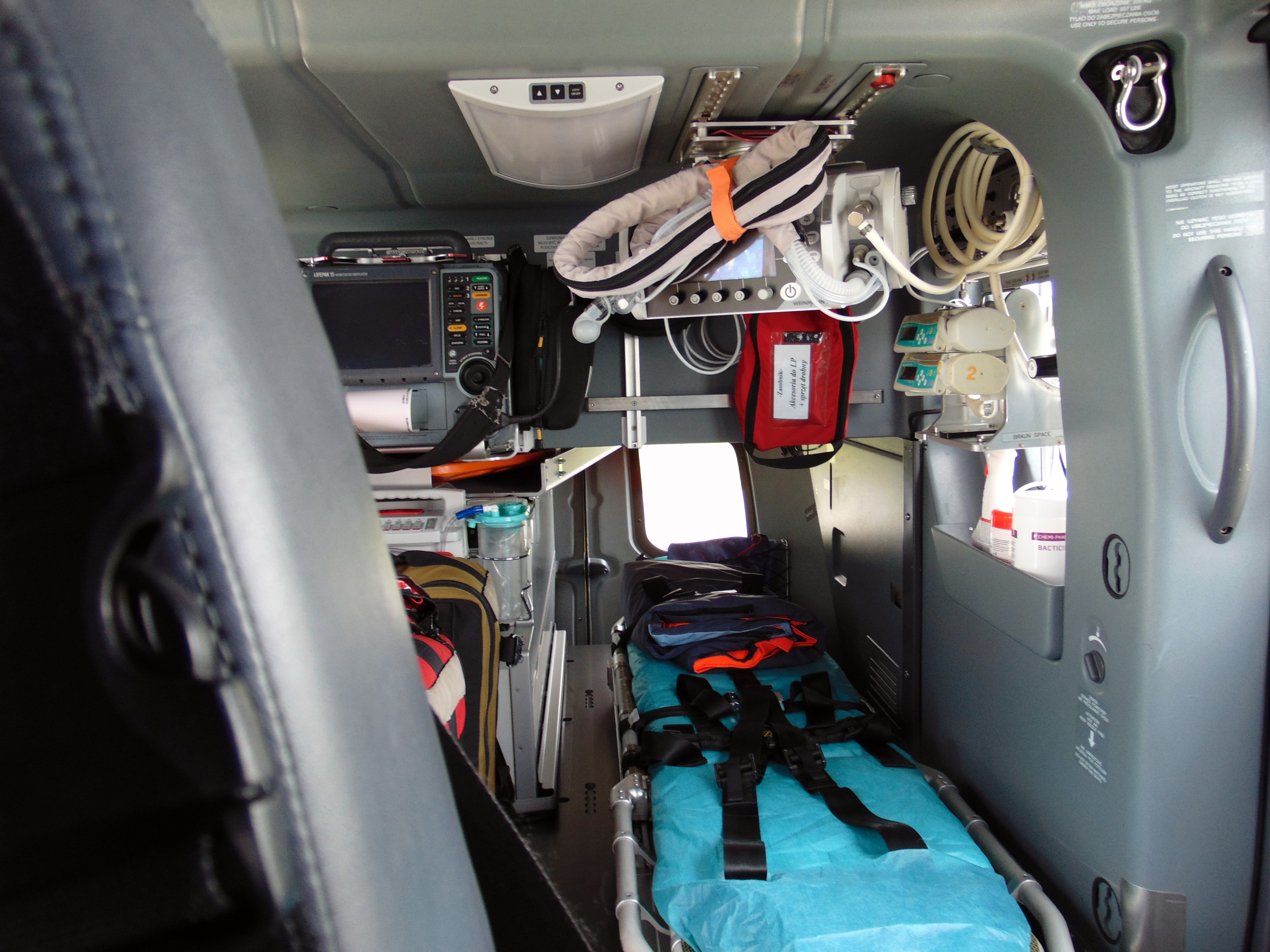
Inside, Metro’s concept combines a centralised medical console with multiple equipment-mounting positions, an aft storage cabinet and provisions for a powered stretcher system. Equipment access drives the proposed arrangement. Metro’s October announcement says those elements aim to improve access and make better use of the available cabin.
For a critical-care team, spaciousness alone isn't enough. The intended benefit is reaching essential equipment without having to work around the aircraft itself.
Modularity, Without a Finished-Product Claim
What happens when the mission changes?
Metro proposes a configurable interior. Customisable components and alternative mounting locations aim to accommodate the requirements of both critical-care missions and specialist transport work. Operators need to test the arrangement against their own equipment and clinical workflows, rather than assume one layout will fit every assignment.
Development extends beyond the exhibition floor. Vertical’s October 2026 coverage confirms that Metro personnel made several development visits to Germany to work with Airbus on the layout. Vertical also describes the conference display as an opportunity to collect feedback from medical crews.
The mock-up isn't the production interior. Metro’s October announcement identifies the display as an initial concept and says operator responses will guide further refinement of the design.
Procurement discussions need to retain that distinction. Provisions for a powered stretcher don't establish a final installed system, and configurable mounting positions don't resolve every operator’s equipment integration requirements.
The Fleet Commitment Behind the Concept
Metro has aircraft commitments behind the concept. Airbus’s March 2025 announcement confirms an agreement for 12 H140s plus 24 options, giving Metro a potential commitment of 36 helicopters and establishing the company as a launch customer.
The agreement and options remain distinct. A potential 36-aircraft programme isn't a firm order for 36 aircraft.
Metro’s newer, October 2026 announcement anticipates deliveries between 2028 and 2031, subject to Airbus’s production schedule. The regional delivery claim needs qualification. Metro says it expects to receive North America's first H140 for the development and certification of its medical interior, including obtaining a supplemental type certificate.
Operators can assess loading geometry and cabin access now, while reserving final equipment-integration and acquisition decisions for the developed configuration and confirmed delivery terms. The concept focuses on consequential daily work. Its strongest feature is that attention to aligning a stretcher, reaching equipment and making room to care for a patient.
Sources
More than 100 H140 commitments, including 61 firm contracts, had accumulated by April 2026. The cabin now warrants closer scrutiny. For operators weighing the new helicopter, its medical layout will determine how crews load patients, reach equipment and deliver care—not simply how the interior looks.
Metro Aviation’s concept puts operations before showroom appeal. Its straight-edged loading area is a modest design change, but one that directly affects how crews position a stretcher and access the patient.
A Small Geometry Change With Operational Weight
Metro Aviation’s October 2026 account details the change. The H140 replaces the H135’s rounded rear floor edge with a straight edge, allowing a stretcher to align squarely with the cabin entrance. The geometry addresses potential misalignment or slipping during loading and unloading.
More space helps. Geometry matters too.
The two changes address different problems. A larger cabin can improve access around the patient in flight; the revised loading threshold tackles getting that patient aboard. Neither improvement has yet been linked to published data showing a measurable reduction in patient-loading incidents.
Inside, Metro’s concept combines a centralised medical console with multiple equipment-mounting positions, an aft storage cabinet and provisions for a powered stretcher system. Equipment access drives the proposed arrangement. Metro’s October announcement says those elements aim to improve access and make better use of the available cabin.
For a critical-care team, spaciousness alone isn't enough. The intended benefit is reaching essential equipment without having to work around the aircraft itself.
Modularity, Without a Finished-Product Claim
What happens when the mission changes?
Metro proposes a configurable interior. Customisable components and alternative mounting locations aim to accommodate the requirements of both critical-care missions and specialist transport work. Operators need to test the arrangement against their own equipment and clinical workflows, rather than assume one layout will fit every assignment.
Development extends beyond the exhibition floor. Vertical’s October 2026 coverage confirms that Metro personnel made several development visits to Germany to work with Airbus on the layout. Vertical also describes the conference display as an opportunity to collect feedback from medical crews.
The mock-up isn't the production interior. Metro’s October announcement identifies the display as an initial concept and says operator responses will guide further refinement of the design.
Procurement discussions need to retain that distinction. Provisions for a powered stretcher don't establish a final installed system, and configurable mounting positions don't resolve every operator’s equipment integration requirements.

Sponsored by Jet24 global
The Fleet Commitment Behind the Concept
Metro has aircraft commitments behind the concept. Airbus’s March 2025 announcement confirms an agreement for 12 H140s plus 24 options, giving Metro a potential commitment of 36 helicopters and establishing the company as a launch customer.
The agreement and options remain distinct. A potential 36-aircraft programme isn't a firm order for 36 aircraft.
Metro’s newer, October 2026 announcement anticipates deliveries between 2028 and 2031, subject to Airbus’s production schedule. The regional delivery claim needs qualification. Metro says it expects to receive North America's first H140 for the development and certification of its medical interior, including obtaining a supplemental type certificate.
Operators can assess loading geometry and cabin access now, while reserving final equipment-integration and acquisition decisions for the developed configuration and confirmed delivery terms. The concept focuses on consequential daily work. Its strongest feature is that attention to aligning a stretcher, reaching equipment and making room to care for a patient.
Sources
Frequently asked questions
- What are the key features of Metro Aviation’s H140 medical interior?
- The concept includes a straight-edged loading area, a central medical console, multiple equipment-mounting positions, aft storage and provisions for a powered stretcher. It is designed to improve patient access and equipment reach.
- How does the H140 cabin differ from the H135 for stretcher loading?
- The H140 concept replaces the H135’s rounded rear floor edge with a straight edge, allowing a stretcher to align squarely with the cabin entrance. The article describes the intended benefit but provides no measured evidence of reduced loading incidents.
- When will Metro Aviation receive its H140 helicopters?
- Metro anticipates deliveries between 2028 and 2031, subject to Airbus’s production schedule. Its agreement covers 12 H140s plus 24 options, not 36 firm aircraft.