- News
- Oct 22, 2026
- 6 min read
Inside G400 flight tests: cabin evaluation and speed record
The G400's first outfitted test aircraft evaluates cabin systems in flight, while a Miami–Las Vegas record highlights its speed.
Batuhan Altindag


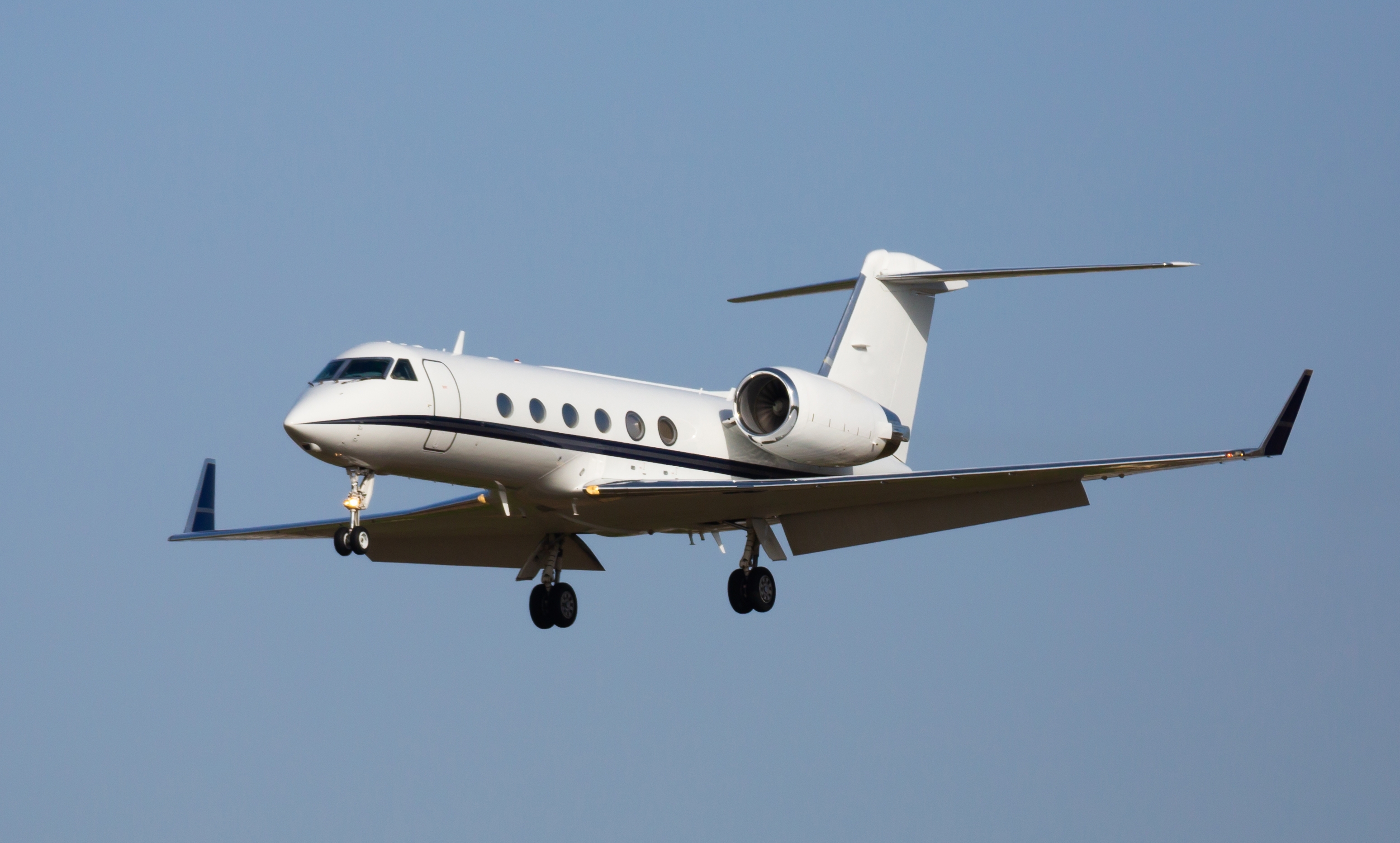
Gulfstream entered 2026 with an order backlog topping $22 billion, while production capacity—not customer demand,limited output. Deliveries are the pressure point. Gulfstream’s G400 test campaign must prove the aircraft, including its cabin, as the manufacturer works to turn strong demand into deliveries.
The finished cabin shifts the scrutiny. Gulfstream’s first fully outfitted G400 test aircraft lets engineers assess the interior in flight, beyond its appearance on the ground. A Miami–Las Vegas speed record supplies the performance headline ahead of NBAA-BACE.
Beyond the Cabin Mock-Up
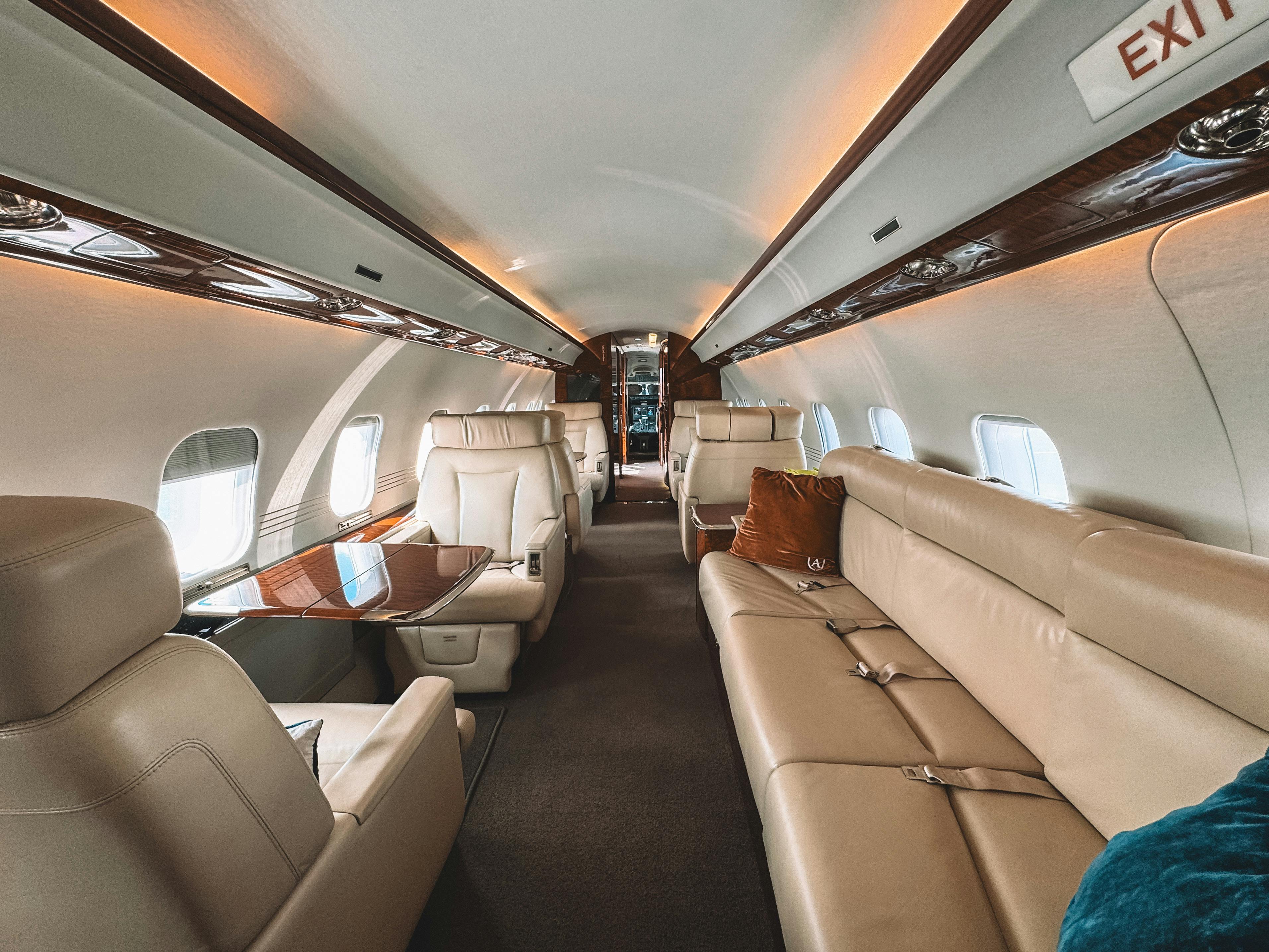
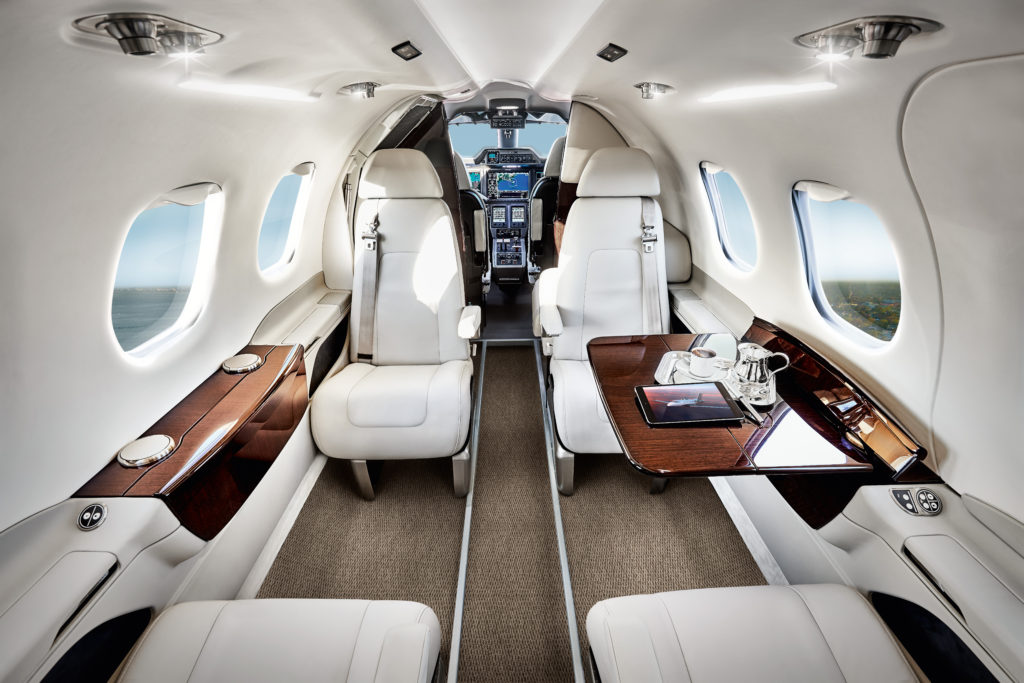
The cabin now faces flight testing. AIN’s October 2026 coverage reports that the outfitted G400 departs Dallas Love Field for a flight lasting 2 hours, 46 minutes. Its 11-passenger interior supports in-flight evaluation of cabin systems, functionality and comfort.
Business Air News reports in October 2026 that the aircraft reaches 48,000 feet on its initial outfitted flight. Testing extends beyond the outfitted aircraft. The publication describes a four-aircraft test fleet running icing, drainage and cabin-systems trials simultaneously.
The programme’s scope has changed materially. A mock-up shows buyers the proportions, seating arrangements and visual harmony, but flight testing asks whether that interior delivers at altitude. For buyers, fit and finish count most when the systems behind those surfaces work without drawing attention to themselves during flight.
The distinction is practical, not decorative.
Miami to Las Vegas, With Pace
The second milestone brings the stopwatch. AIN reports in October 2026 that an experimental G400 sets a Miami–Las Vegas city-pair speed record, averaging Mach 0.89 en route to the convention. Business Air News puts the flight time at 4 hours, 8 minutes.
Gulfstream says the mission uses a blend of sustainable aviation fuel. The environmental claim has clear limits. The supplied evidence establishes neither the blend percentage nor a mission-specific emissions reduction, so the flight doesn’t constitute a quantified environmental result.
What does an owner learn? The record demonstrates pace on a recognisable business-aviation mission, but it doesn’t establish a guarantee of everyday block time for operators. One flight doesn’t settle operating economics.
The Large-Cabin Buying Decision
Cabin ambition must match mission length. Corporate Jet Investor’s July 2024 buyer’s guide describes the aircraft as Gulfstream’s entry-level large-cabin offering, targeting 4,200 nautical miles at Mach 0.85, or 3,950 nautical miles at Mach 0.88. Those published figures establish product context. They don’t establish that certification is complete.
Owners without a requirement for flagship ultralong-range capability have a proposition worth examining: buy the cabin experience their missions require, rather than range the flight department seldom uses.
Timing still carries a caveat. Business Air News reports in October 2026 that Gulfstream declines to forecast certification.
The buying case warrants measured judgment. The outfitted aircraft strengthens the case that the G400 is moving beyond aerodynamic promise toward a fully evaluated environment for passengers. The speed record adds performance credibility. Neither milestone replaces certification or a dependable delivery commitment; those remain the decisive requirements before an operator can firm up fleet replacement plans.
Sources
Gulfstream entered 2026 with an order backlog topping $22 billion, while production capacity—not customer demand,limited output. Deliveries are the pressure point. Gulfstream’s G400 test campaign must prove the aircraft, including its cabin, as the manufacturer works to turn strong demand into deliveries.
The finished cabin shifts the scrutiny. Gulfstream’s first fully outfitted G400 test aircraft lets engineers assess the interior in flight, beyond its appearance on the ground. A Miami–Las Vegas speed record supplies the performance headline ahead of NBAA-BACE.
Beyond the Cabin Mock-Up
The cabin now faces flight testing. AIN’s October 2026 coverage reports that the outfitted G400 departs Dallas Love Field for a flight lasting 2 hours, 46 minutes. Its 11-passenger interior supports in-flight evaluation of cabin systems, functionality and comfort.
Business Air News reports in October 2026 that the aircraft reaches 48,000 feet on its initial outfitted flight. Testing extends beyond the outfitted aircraft. The publication describes a four-aircraft test fleet running icing, drainage and cabin-systems trials simultaneously.
The programme’s scope has changed materially. A mock-up shows buyers the proportions, seating arrangements and visual harmony, but flight testing asks whether that interior delivers at altitude. For buyers, fit and finish count most when the systems behind those surfaces work without drawing attention to themselves during flight.
The distinction is practical, not decorative.

Sponsored by Jet24 global
Miami to Las Vegas, With Pace
The second milestone brings the stopwatch. AIN reports in October 2026 that an experimental G400 sets a Miami–Las Vegas city-pair speed record, averaging Mach 0.89 en route to the convention. Business Air News puts the flight time at 4 hours, 8 minutes.
Gulfstream says the mission uses a blend of sustainable aviation fuel. The environmental claim has clear limits. The supplied evidence establishes neither the blend percentage nor a mission-specific emissions reduction, so the flight doesn’t constitute a quantified environmental result.
What does an owner learn? The record demonstrates pace on a recognisable business-aviation mission, but it doesn’t establish a guarantee of everyday block time for operators. One flight doesn’t settle operating economics.
The Large-Cabin Buying Decision
Cabin ambition must match mission length. Corporate Jet Investor’s July 2024 buyer’s guide describes the aircraft as Gulfstream’s entry-level large-cabin offering, targeting 4,200 nautical miles at Mach 0.85, or 3,950 nautical miles at Mach 0.88. Those published figures establish product context. They don’t establish that certification is complete.
Owners without a requirement for flagship ultralong-range capability have a proposition worth examining: buy the cabin experience their missions require, rather than range the flight department seldom uses.
Timing still carries a caveat. Business Air News reports in October 2026 that Gulfstream declines to forecast certification.
The buying case warrants measured judgment. The outfitted aircraft strengthens the case that the G400 is moving beyond aerodynamic promise toward a fully evaluated environment for passengers. The speed record adds performance credibility. Neither milestone replaces certification or a dependable delivery commitment; those remain the decisive requirements before an operator can firm up fleet replacement plans.
Sources
Frequently asked questions
- What is the Gulfstream G400 testing in its first fully outfitted test aircraft?
- The 11-passenger aircraft is being used to evaluate cabin systems, functionality and comfort in flight. It reached 48,000 feet on its initial outfitted flight.
- How fast did the Gulfstream G400 fly from Miami to Las Vegas?
- An experimental G400 completed the city-pair flight in 4 hours and 8 minutes, averaging Mach 0.89. Gulfstream said the mission used a blend of sustainable aviation fuel.
- When will the Gulfstream G400 be certified and delivered?
- Gulfstream has not provided a certification forecast, and the article gives no dependable delivery commitment. Certification and delivery timing remain key milestones for prospective buyers.