- News
- Nov 2, 2026
- 7 min read
Jet output improves, but production constraints persist
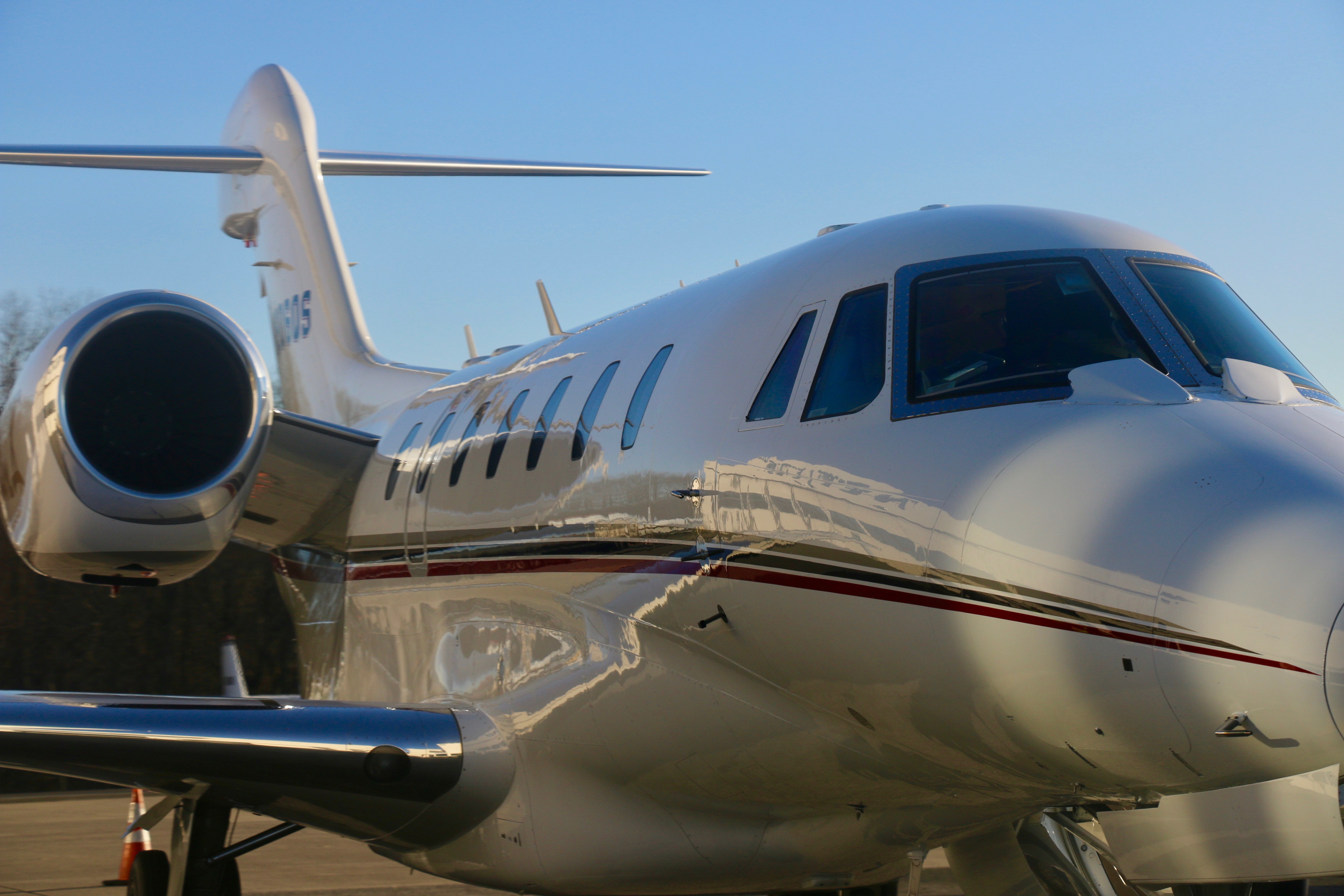
Textron Aviation shipped 51 Citation jets in Q3, up 21% year over year, while parts shortages continued to limit production.
Batuhan Altindag


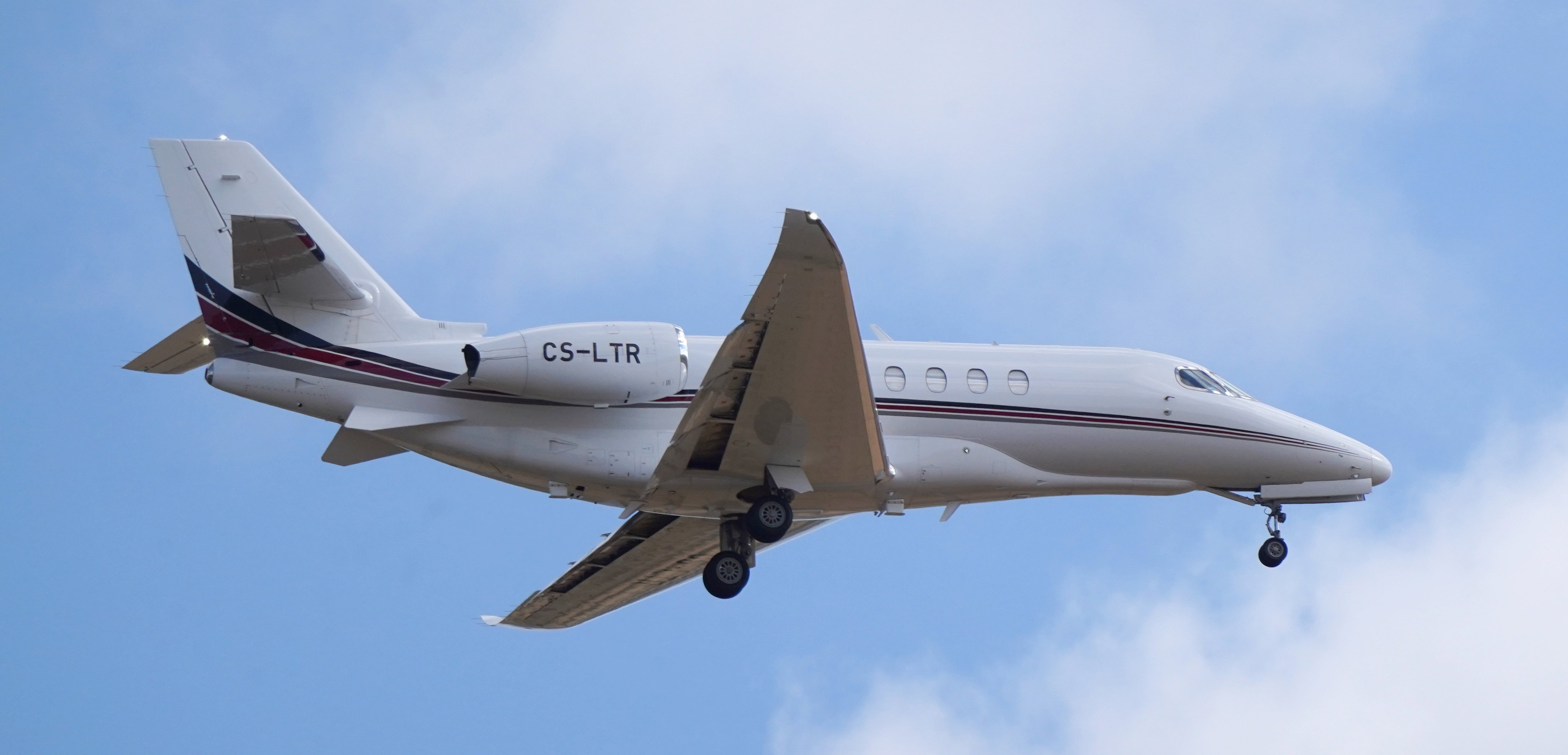
Textron Aviation delivered 51 Citation jets in the third quarter, a 21% jump from 42 a year earlier. The rebound is real; factory constraints remain.
The year also brought the 500th Citation Latitude rollout and the 500th CJ4-series delivery. Those milestones signal mature programs. Owners and brokers face a more immediate question: can the factory get their aircraft through production and deliver it on schedule?
Citation Volume Carries the Quarter
51 jets. That’s the quarter’s defining operational number.
AIN’s October 2026 coverage records 51 Citation deliveries, compared with 42 a year earlier, a 21.4% increase. The mix: 11 Latitudes, 10 M2 Gen2s, nine CJ3+/CJ3 Gen2s, nine Longitudes, seven CJ4 Gen2s and five Ascends. First-nine-month deliveries totaled 128 jets, up from 122 in the corresponding 2025 period.
The acceleration needs a wider lens. The strong quarter lifted year-to-date jet shipments by just six aircraft, or 4.9%, hardly enough to establish an unrestricted climb in production.
Textron’s October results attribute a $152 million increase in aircraft revenue primarily to higher Citation volume, partly offset by weaker commercial turboprop volume. Turboprop deliveries fell to 32 aircraft from 39 a year earlier. The portfolio isn't advancing in lockstep. Aviation’s revenue growth instead reflects an uneven production picture, with higher Citation shipments offsetting some of the weakness elsewhere in the business.
Competition offers another useful benchmark. AIN reports in October 2026 that Embraer delivers 41 executive jets in the third quarter. Citation’s higher shipment count establishes scale, but those totals alone don’t settle comparisons across aircraft mix, pricing or profitability between the manufacturers.
Aftermarket Growth Meets Factory Friction
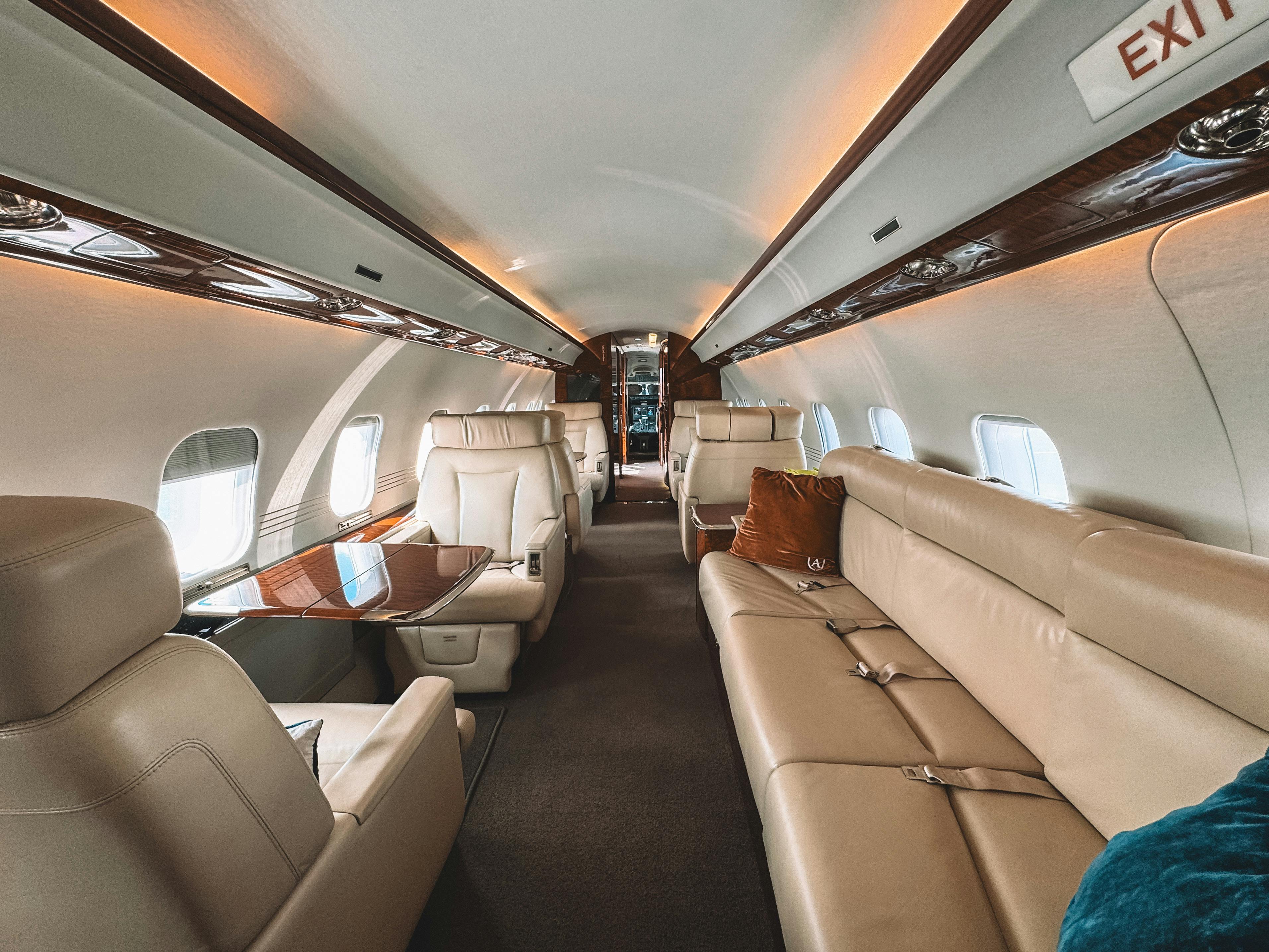
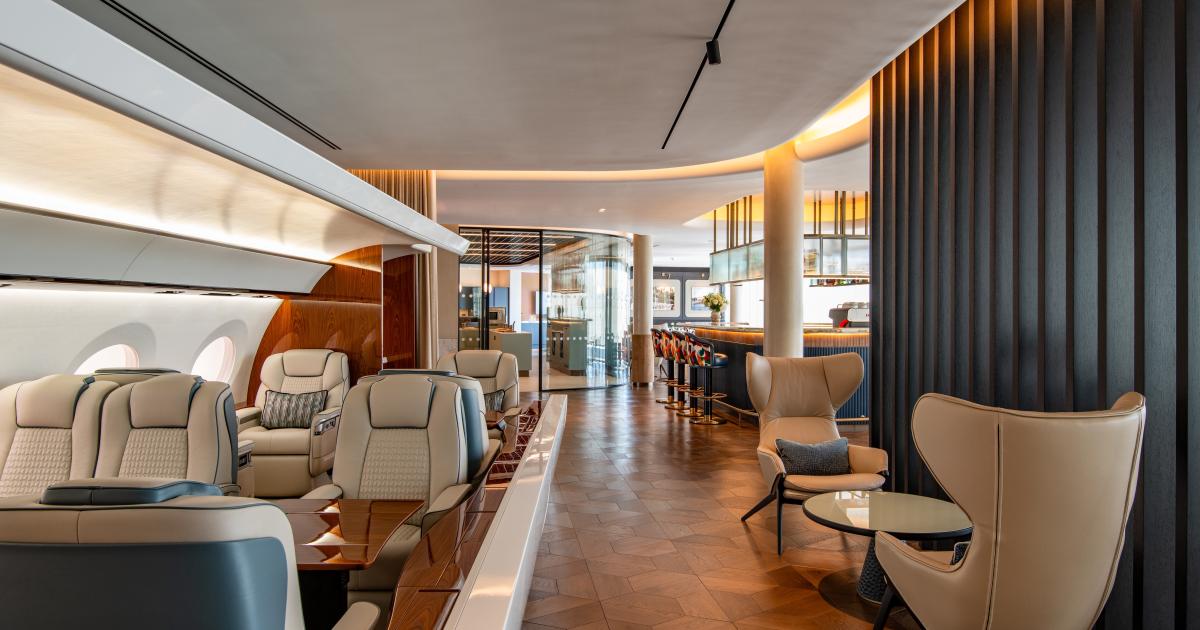
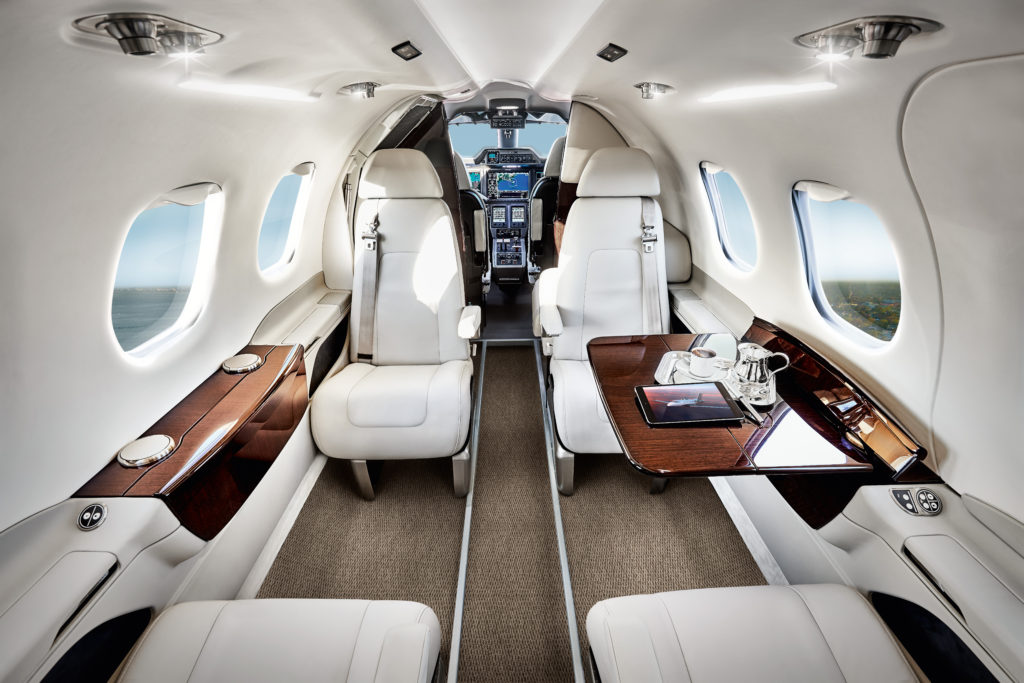
Ownership doesn't end with cabin selections. Once the leather and lighting decisions are behind them, owners depend on parts availability and maintenance support to keep aircraft ready for departure.
Textron’s October 2026 release records a $49 million year-over-year increase in aftermarket parts and services revenue, driven by higher volume and pricing. That’s the supported measure of growth. Aftermarket parts and services revenue reached $541 million, up from $492 million a year earlier, according to Textron’s quarterly SEC filing.
Profit tells a more restrained story. Reported segment profit of $179 million divided by revenue of $1.68 billion yields a calculated operating margin of approximately 10.7%. Revenue grew nearly 14%; profit rose only 4%. Higher deliveries helped, but the revenue gains didn't translate into comparable profit growth.
Why can’t production move faster?
FlightGlobal’s October 2026 coverage identifies engines, extrusions, spars and ground-power units as continuing constraints. Cabin choices won't clear those bottlenecks. A different veneer or upholstery selection can't resolve those delivery obstacles, and an impeccable interior won't make an incomplete aircraft ready for service.
The factory needs components in sequence. Stronger output depends on that flow of hardware; additional demand can't make up for the parts missing from the production line.
What Buyers and Investors Should Watch
AIN’s October 2026 coverage confirms an $8 billion Aviation backlog at quarter-end. That backlog provides visibility into future work, but it doesn't establish when the factory will deliver any individual customer's aircraft.
Cabin configuration is only the start. A family office replacing a Citation should press for production milestones, component availability and contingency plans before treating a handover date as firm.
Investors face an equally concrete test. Sustained deliveries must bring better profit conversion; the quarter shows Textron can lift Citation output, but not yet that its supply chain can sustain the pace without friction.
Buyers need dependable access to aircraft. Investors need dependable earnings from those deliveries, and Textron’s recovery ultimately has to meet both demands, not simply lift the shipment count.
Sources
Textron Aviation delivered 51 Citation jets in the third quarter, a 21% jump from 42 a year earlier. The rebound is real; factory constraints remain.
The year also brought the 500th Citation Latitude rollout and the 500th CJ4-series delivery. Those milestones signal mature programs. Owners and brokers face a more immediate question: can the factory get their aircraft through production and deliver it on schedule?
Citation Volume Carries the Quarter
51 jets. That’s the quarter’s defining operational number.
AIN’s October 2026 coverage records 51 Citation deliveries, compared with 42 a year earlier, a 21.4% increase. The mix: 11 Latitudes, 10 M2 Gen2s, nine CJ3+/CJ3 Gen2s, nine Longitudes, seven CJ4 Gen2s and five Ascends. First-nine-month deliveries totaled 128 jets, up from 122 in the corresponding 2025 period.
The acceleration needs a wider lens. The strong quarter lifted year-to-date jet shipments by just six aircraft, or 4.9%, hardly enough to establish an unrestricted climb in production.
Textron’s October results attribute a $152 million increase in aircraft revenue primarily to higher Citation volume, partly offset by weaker commercial turboprop volume. Turboprop deliveries fell to 32 aircraft from 39 a year earlier. The portfolio isn't advancing in lockstep. Aviation’s revenue growth instead reflects an uneven production picture, with higher Citation shipments offsetting some of the weakness elsewhere in the business.
Competition offers another useful benchmark. AIN reports in October 2026 that Embraer delivers 41 executive jets in the third quarter. Citation’s higher shipment count establishes scale, but those totals alone don’t settle comparisons across aircraft mix, pricing or profitability between the manufacturers.
Aftermarket Growth Meets Factory Friction
Ownership doesn't end with cabin selections. Once the leather and lighting decisions are behind them, owners depend on parts availability and maintenance support to keep aircraft ready for departure.
Textron’s October 2026 release records a $49 million year-over-year increase in aftermarket parts and services revenue, driven by higher volume and pricing. That’s the supported measure of growth. Aftermarket parts and services revenue reached $541 million, up from $492 million a year earlier, according to Textron’s quarterly SEC filing.
Profit tells a more restrained story. Reported segment profit of $179 million divided by revenue of $1.68 billion yields a calculated operating margin of approximately 10.7%. Revenue grew nearly 14%; profit rose only 4%. Higher deliveries helped, but the revenue gains didn't translate into comparable profit growth.
Why can’t production move faster?
FlightGlobal’s October 2026 coverage identifies engines, extrusions, spars and ground-power units as continuing constraints. Cabin choices won't clear those bottlenecks. A different veneer or upholstery selection can't resolve those delivery obstacles, and an impeccable interior won't make an incomplete aircraft ready for service.
The factory needs components in sequence. Stronger output depends on that flow of hardware; additional demand can't make up for the parts missing from the production line.

Sponsored by Jet24 global
What Buyers and Investors Should Watch
AIN’s October 2026 coverage confirms an $8 billion Aviation backlog at quarter-end. That backlog provides visibility into future work, but it doesn't establish when the factory will deliver any individual customer's aircraft.
Cabin configuration is only the start. A family office replacing a Citation should press for production milestones, component availability and contingency plans before treating a handover date as firm.
Investors face an equally concrete test. Sustained deliveries must bring better profit conversion; the quarter shows Textron can lift Citation output, but not yet that its supply chain can sustain the pace without friction.
Buyers need dependable access to aircraft. Investors need dependable earnings from those deliveries, and Textron’s recovery ultimately has to meet both demands, not simply lift the shipment count.
Sources
Frequently asked questions
- How many Citation jets did Textron deliver in Q3 2026?
- Textron Aviation delivered 51 Citation jets in the third quarter of 2026, up 21% from 42 a year earlier.
- What is limiting Textron Citation production?
- Ongoing shortages of engines, extrusions, spars and ground-power units are constraining production and can delay aircraft deliveries.
- Does Textron’s $8 billion backlog guarantee a Citation delivery date?
- No. The backlog indicates future demand and work, but it does not establish when a specific aircraft will be delivered.