- News
- Oct 28, 2026
- 7 min read
New aviation service facilities aim to strengthen American support
A $270 million investment will expand maintenance facilities, training and hiring across the United States, with Fort Wayne scheduled to open in 2026.
Batuhan Altindag



Bombardier’s aftermarket business generated more than $1 billion in revenue in the first half of 2025. That’s what keeps the hangars busy. Owners need maintenance access, technical expertise and support close to the places they fly.
Now comes a $270 million U.S. infrastructure investment. Bombardier also plans to hire 800 people, but operators will judge the spending by whether it helps keep their aircraft available.
Fort Wayne Adds Capacity Where It Counts
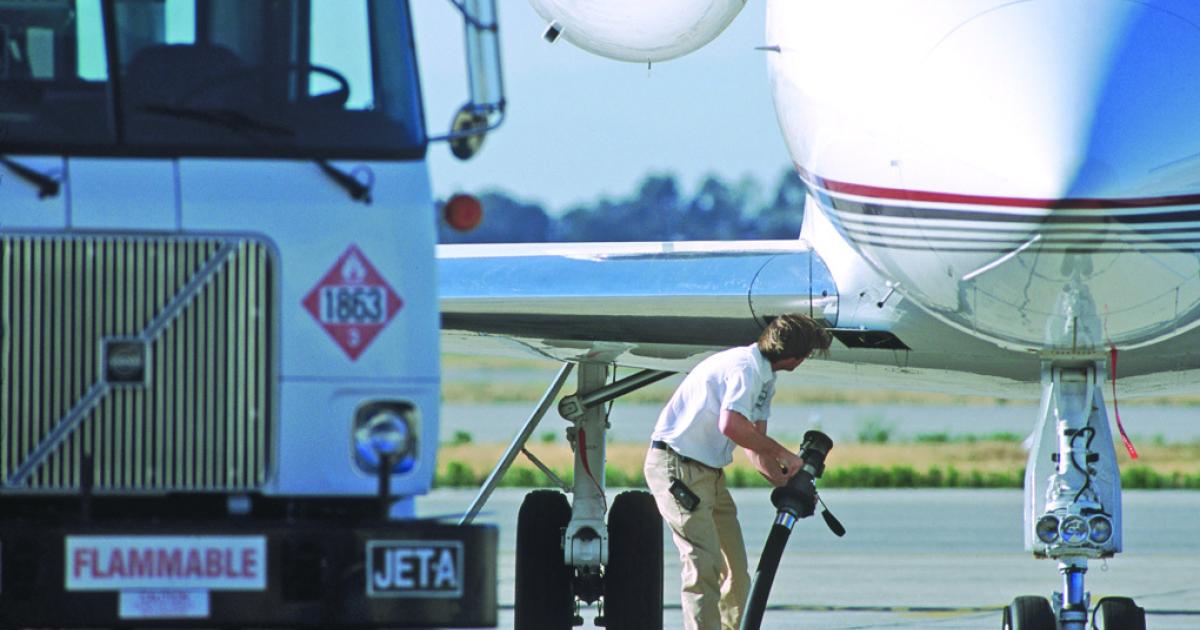
Fort Wayne’s opening is scheduled for November 2026. Bombardier’s October announcement puts the new service facility at Fort Wayne International Airport, with approximately 64,500 square feet accommodating up to six aircraft. The facility will handle scheduled and unscheduled maintenance, modifications, avionics installations and aircraft-on-ground support.
Each capability addresses a different scheduling pressure. Owners can plan maintenance around travel, but an unexpected technical fault can disrupt even a carefully managed flight schedule without warning. Combining avionics work and modifications at one facility gives operators another location to consider when they coordinate aircraft downtime.
Capacity doesn’t guarantee a faster turnaround.
Six aircraft positions measure accommodation, not completed visits. Staffing, parts availability and each work package’s complexity will determine how much useful maintenance capacity operators actually gain at Fort Wayne. The announcement quantifies no reduction in booking delays or maintenance turnaround times.
That distinction matters when buying a business jet. An OEM’s support network belongs alongside cabin comfort and aircraft performance in the ownership calculation, particularly when evaluating where the aircraft will operate. Can that network support the aircraft where its owner actually flies?
Dallas, Connecticut and Wichita Broaden the Footprint
Dallas and Connecticut will also expand. Bombardier’s October announcement identifies projects in both locations and 150 planned positions in Texas, but the supplied evidence establishes neither detailed completion schedules nor added aircraft capacity.
Wichita adds another dimension to the investment. Reuters, in October 2026, reports a $50 million investment in the Kansas operation. AIN’s October 2026 coverage also places the North American Learning Center’s opening in the preceding week.
The commercial logic is straightforward. Buildings provide space, while training develops the expertise needed to turn that space into productive capacity for the aircraft using it. Flight departments weighing long-term support should assess those investments together.
Investment Against a Political Backdrop
The expansion carries political weight, too. Reuters reports in October 2026 that President Donald Trump withdraws his threat to bar Bombardier from the U.S. market, citing the company’s American jobs.
The announcements followed a distinct sequence. Reuters’ October 23 coverage dates Trump’s Truth Social investment announcement to October 22, ahead of Bombardier’s October 23 announcement of its commitments. That separates the political endorsement from the company’s operational commitments.
The employment figures need similar scrutiny. Bombardier’s October announcement and AIN’s coverage put U.S. jobs supported by its activities in 2025 at approximately 27,200, a broader economic footprint rather than a direct employee count. Don’t confuse that figure with the 800 planned hires.
Bombardier projects supported employment could reach 33,000 after the investment. The supplied evidence provides no independent corroboration of that forecast.
What Owners Should Watch
For buyers, the outlook is encouraging—but conditional. Bombardier is committing capital to private aviation’s less visible side: the people and facilities that help protect aircraft dispatch availability for operators.
Owners and family offices have milestones to watch. Fort Wayne’s opening, recruitment progress and delivery schedules for Dallas and Connecticut will show how the expansion’s execution tracks the announced plans. Before counting an ownership advantage, ask about actual maintenance-slot availability, relevant technical capabilities and AOG coverage for the intended operating pattern.
The investment makes Bombardier’s intent clear. Execution will determine what it’s worth.
Sources
Bombardier’s aftermarket business generated more than $1 billion in revenue in the first half of 2025. That’s what keeps the hangars busy. Owners need maintenance access, technical expertise and support close to the places they fly.
Now comes a $270 million U.S. infrastructure investment. Bombardier also plans to hire 800 people, but operators will judge the spending by whether it helps keep their aircraft available.
Fort Wayne Adds Capacity Where It Counts
Fort Wayne’s opening is scheduled for November 2026. Bombardier’s October announcement puts the new service facility at Fort Wayne International Airport, with approximately 64,500 square feet accommodating up to six aircraft. The facility will handle scheduled and unscheduled maintenance, modifications, avionics installations and aircraft-on-ground support.
Each capability addresses a different scheduling pressure. Owners can plan maintenance around travel, but an unexpected technical fault can disrupt even a carefully managed flight schedule without warning. Combining avionics work and modifications at one facility gives operators another location to consider when they coordinate aircraft downtime.
Capacity doesn’t guarantee a faster turnaround.
Six aircraft positions measure accommodation, not completed visits. Staffing, parts availability and each work package’s complexity will determine how much useful maintenance capacity operators actually gain at Fort Wayne. The announcement quantifies no reduction in booking delays or maintenance turnaround times.
That distinction matters when buying a business jet. An OEM’s support network belongs alongside cabin comfort and aircraft performance in the ownership calculation, particularly when evaluating where the aircraft will operate. Can that network support the aircraft where its owner actually flies?
Sponsored by Jet24 global
Dallas, Connecticut and Wichita Broaden the Footprint
Dallas and Connecticut will also expand. Bombardier’s October announcement identifies projects in both locations and 150 planned positions in Texas, but the supplied evidence establishes neither detailed completion schedules nor added aircraft capacity.
Wichita adds another dimension to the investment. Reuters, in October 2026, reports a $50 million investment in the Kansas operation. AIN’s October 2026 coverage also places the North American Learning Center’s opening in the preceding week.
The commercial logic is straightforward. Buildings provide space, while training develops the expertise needed to turn that space into productive capacity for the aircraft using it. Flight departments weighing long-term support should assess those investments together.
Investment Against a Political Backdrop
The expansion carries political weight, too. Reuters reports in October 2026 that President Donald Trump withdraws his threat to bar Bombardier from the U.S. market, citing the company’s American jobs.
The announcements followed a distinct sequence. Reuters’ October 23 coverage dates Trump’s Truth Social investment announcement to October 22, ahead of Bombardier’s October 23 announcement of its commitments. That separates the political endorsement from the company’s operational commitments.
The employment figures need similar scrutiny. Bombardier’s October announcement and AIN’s coverage put U.S. jobs supported by its activities in 2025 at approximately 27,200, a broader economic footprint rather than a direct employee count. Don’t confuse that figure with the 800 planned hires.
Bombardier projects supported employment could reach 33,000 after the investment. The supplied evidence provides no independent corroboration of that forecast.
What Owners Should Watch
For buyers, the outlook is encouraging—but conditional. Bombardier is committing capital to private aviation’s less visible side: the people and facilities that help protect aircraft dispatch availability for operators.
Owners and family offices have milestones to watch. Fort Wayne’s opening, recruitment progress and delivery schedules for Dallas and Connecticut will show how the expansion’s execution tracks the announced plans. Before counting an ownership advantage, ask about actual maintenance-slot availability, relevant technical capabilities and AOG coverage for the intended operating pattern.
The investment makes Bombardier’s intent clear. Execution will determine what it’s worth.
Sources
Frequently asked questions
- How much is Bombardier investing in its U.S. service network?
- Bombardier plans to invest $270 million in U.S. infrastructure and hire 800 people.
- When will Bombardier’s new Fort Wayne service center open?
- The 64,500-square-foot facility at Fort Wayne International Airport is scheduled to open in November 2026. It is designed to accommodate up to six aircraft.
- What services will Bombardier’s Fort Wayne facility offer?
- It will provide scheduled and unscheduled maintenance, modifications, avionics installations, and aircraft-on-ground support. The company has not announced quantified reductions in booking delays or turnaround times.