- News
- Nov 9, 2026
- 7 min read
services growth supports stronger cash outlook amid fewer deliveries
Services revenue rose 19% to $701 million in the third quarter as deliveries eased, while free cash flow guidance increased to above $1.3 billion.
Batuhan Altindag


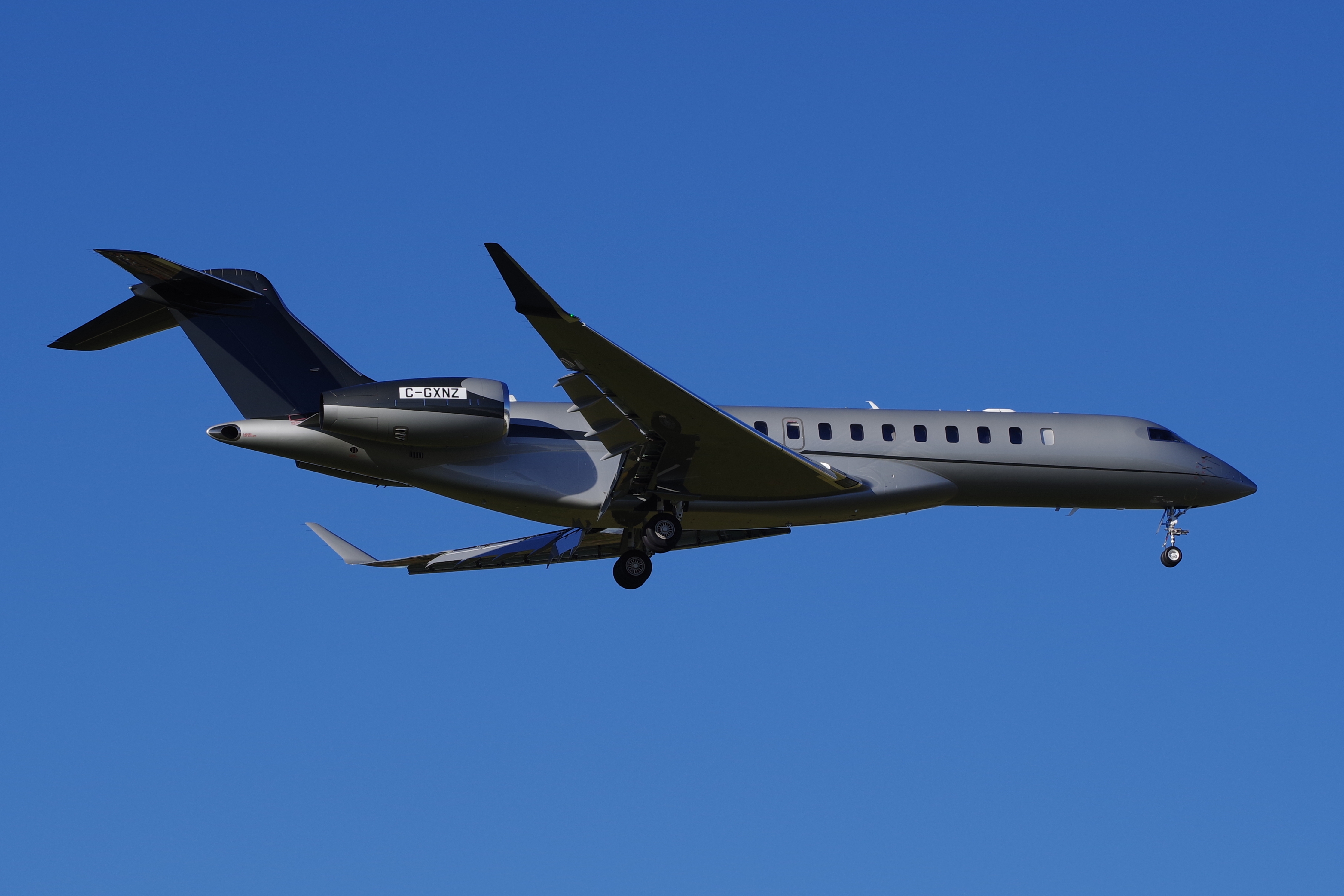
Bombardier’s services business generated a record $701 million in the third quarter, up 19% year over year. Deliveries eased; the aftermarket gained ground.
The installed fleet is driving growth. For owners and operators, Bombardier’s expanding services business centers on aircraft already flying, generating revenue without requiring another jet handover.
Services Carry More Weight
The aftermarket has been gathering momentum. Corporate Jet Investor reported in August 2026 that second-quarter services revenue reached $674 million, up 14%, supported by parts, maintenance and technical activity.
The third quarter continued that climb. For owners, reliable maintenance, parts availability and technical support are essential to keeping aircraft operational. Services revenue measures commercial activity, though. It doesn’t measure dispatch reliability or maintenance turnaround times, and buyers shouldn’t mistake growth in one measure for improvement in the others.
Bombardier’s November 2026 quarterly financial report shows manufacturing and other revenue fell to $1.668 billion, against $1.711 billion a year earlier. Services revenue took up the slack. That growth allowed Bombardier to increase overall revenue even as it delivered fewer aircraft, offsetting the decline on the manufacturing side.
The profit contribution demands attention, too. Bombardier’s November release puts adjusted EBITDA at $382 million, up 7%, with the adjusted EBITDA margin widening to 16.1% from 15.4%. Reported EBIT margin reached 11.2%, improving 140 basis points.
Not every earnings measure moved higher.
Net income from continuing operations slipped to $81 million from $85 million, according to the same release, despite the stronger adjusted results. Adjusted net income rose 41% to $182 million, producing adjusted earnings of $1.72 per share against $1.21 a year earlier. Investors face two distinct readings here. Adjusted operating performance strengthened during the quarter, but statutory net income declined modestly, leaving a split picture beneath the headline growth.
Orders Strengthen, Cash Expectations Rise
$22.2 billion. Bombardier’s November release put backlog at that level at September 30, alongside a unit book-to-bill ratio of 1.7 for the quarter.
Orders substantially outpaced deliveries during the quarter. That supports the picture of resilient private jet demand, but it doesn’t tell an individual buyer where their delivery slot falls. Acquisition teams should check contractual delivery dates. The headline backlog alone doesn’t establish aircraft availability, making those contract commitments the more useful guide for buyers assessing delivery schedules.
Cash generation also moved higher. Bombardier reported third-quarter free cash flow of $183 million, up 20% from $152 million, while operating cash flow rose 36% to $259 million from $190 million.
Management raised its 2026 free-cash-flow outlook for the second time during the year, to more than $1.3 billion from more than $1 billion. The remaining targets didn’t change. Bombardier still targets more than 157 aircraft deliveries, revenue above $10 billion and adjusted EBITDA above $1.625 billion for the year.
The balance sheet showed progress, too. Bombardier’s November release records $1.1 billion of year-to-date debt reduction, with approximately $1.6 billion in cash and $2.4 billion of available liquidity at September 30.
The Owner and Investor Takeaway
The installed fleet is proving its value. Aircraft Bombardier has already delivered are generating a growing services business, helping cushion the company against fluctuations in its manufacturing revenue.
Investors now need to watch execution. Bombardier must deliver against unchanged aircraft delivery and earnings targets, while owners need answers beyond the encouraging growth in aftermarket revenue. Their purchasing questions remain specific: maintenance access, parts availability and the support commitments attached to the aircraft. Financial strength supports the ownership proposition. Service performance must still earn it.
Sources
Bombardier’s services business generated a record $701 million in the third quarter, up 19% year over year. Deliveries eased; the aftermarket gained ground.
The installed fleet is driving growth. For owners and operators, Bombardier’s expanding services business centers on aircraft already flying, generating revenue without requiring another jet handover.
Services Carry More Weight
The aftermarket has been gathering momentum. Corporate Jet Investor reported in August 2026 that second-quarter services revenue reached $674 million, up 14%, supported by parts, maintenance and technical activity.
The third quarter continued that climb. For owners, reliable maintenance, parts availability and technical support are essential to keeping aircraft operational. Services revenue measures commercial activity, though. It doesn’t measure dispatch reliability or maintenance turnaround times, and buyers shouldn’t mistake growth in one measure for improvement in the others.
Bombardier’s November 2026 quarterly financial report shows manufacturing and other revenue fell to $1.668 billion, against $1.711 billion a year earlier. Services revenue took up the slack. That growth allowed Bombardier to increase overall revenue even as it delivered fewer aircraft, offsetting the decline on the manufacturing side.
The profit contribution demands attention, too. Bombardier’s November release puts adjusted EBITDA at $382 million, up 7%, with the adjusted EBITDA margin widening to 16.1% from 15.4%. Reported EBIT margin reached 11.2%, improving 140 basis points.
Not every earnings measure moved higher.
Net income from continuing operations slipped to $81 million from $85 million, according to the same release, despite the stronger adjusted results. Adjusted net income rose 41% to $182 million, producing adjusted earnings of $1.72 per share against $1.21 a year earlier. Investors face two distinct readings here. Adjusted operating performance strengthened during the quarter, but statutory net income declined modestly, leaving a split picture beneath the headline growth.
Sponsored by Jet24 global
Orders Strengthen, Cash Expectations Rise
$22.2 billion. Bombardier’s November release put backlog at that level at September 30, alongside a unit book-to-bill ratio of 1.7 for the quarter.
Orders substantially outpaced deliveries during the quarter. That supports the picture of resilient private jet demand, but it doesn’t tell an individual buyer where their delivery slot falls. Acquisition teams should check contractual delivery dates. The headline backlog alone doesn’t establish aircraft availability, making those contract commitments the more useful guide for buyers assessing delivery schedules.
Cash generation also moved higher. Bombardier reported third-quarter free cash flow of $183 million, up 20% from $152 million, while operating cash flow rose 36% to $259 million from $190 million.
Management raised its 2026 free-cash-flow outlook for the second time during the year, to more than $1.3 billion from more than $1 billion. The remaining targets didn’t change. Bombardier still targets more than 157 aircraft deliveries, revenue above $10 billion and adjusted EBITDA above $1.625 billion for the year.
The balance sheet showed progress, too. Bombardier’s November release records $1.1 billion of year-to-date debt reduction, with approximately $1.6 billion in cash and $2.4 billion of available liquidity at September 30.
The Owner and Investor Takeaway
The installed fleet is proving its value. Aircraft Bombardier has already delivered are generating a growing services business, helping cushion the company against fluctuations in its manufacturing revenue.
Investors now need to watch execution. Bombardier must deliver against unchanged aircraft delivery and earnings targets, while owners need answers beyond the encouraging growth in aftermarket revenue. Their purchasing questions remain specific: maintenance access, parts availability and the support commitments attached to the aircraft. Financial strength supports the ownership proposition. Service performance must still earn it.
Sources
Frequently asked questions
- How much did Bombardier’s services revenue grow in Q3 2026?
- Services revenue reached a record $701 million, up 19% year over year. Growth in aftermarket activity helped offset lower manufacturing revenue.
- What is Bombardier’s 2026 free cash flow outlook?
- Bombardier raised its 2026 free-cash-flow outlook to more than $1.3 billion, from more than $1 billion. The company left its other delivery, revenue and adjusted EBITDA targets unchanged.
- What does Bombardier’s Q3 backlog mean for aircraft buyers?
- Bombardier reported a $22.2 billion backlog and a unit book-to-bill ratio of 1.7, meaning orders exceeded deliveries during the quarter. Buyers should confirm delivery dates directly rather than infer availability from the backlog.