- News
- Nov 23, 2026
- 12 min read
Funding moves the electric Microliner toward testing
Vaeridion’s €30 million raise supports Microliner development, while certification, range and production targets remain unproven.
Batuhan Altindag


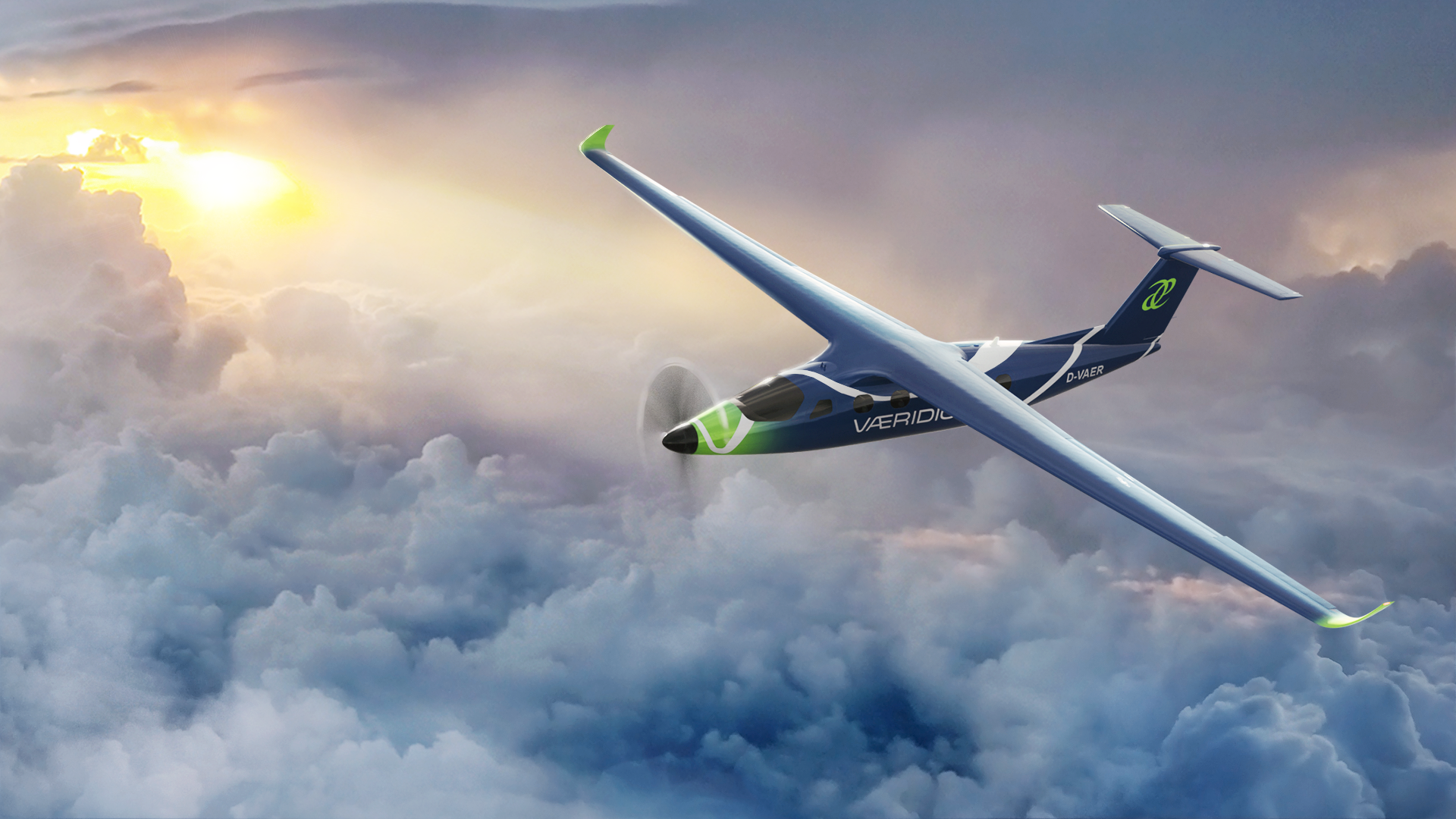
More than 21,000 small turboprops serve regional routes worldwide, and their average age is 23 years. The replacement market is substantial. Europe also lost roughly 120 regional routes in the five years before June 2026, as fuel and maintenance costs squeezed short-haul economics.
Vaeridion wants that market for its nine-seat electric Microliner. Aging aircraft and disappearing routes offer an opening, but operators need range, payload and reliability that make those connections commercially viable.
A Short-Haul Proposition for Private Aviation
The Microliner’s clearest BizAv application sits below the traditional business jet mission, on short sectors where direct access could outweigh cruise speed or a stand-up cabin.
A family office assessing transport between regional properties would approach the aircraft differently from an airline network planner evaluating a route. Can it connect the required airfields, carrying sufficient payload and reserves, when passengers actually want to travel? An uninterrupted itinerary is the attraction. Everything else follows from that.
There’s already an operator connection. AIN reported in June 2025 that ASL Group would become the Microliner’s launch customer. The European business aviation group connects the developer’s engineering ambitions with the practical demands of carrying paying passengers.
The order language needs scrutiny. Business Air News’s November 2026 account describes a firm sales and purchase agreement covering up to 10 aircraft, including a pre-delivery payment arrangement. The returned independent evidence doesn’t substantiate those precise contractual terms.
AIN’s June 2026 reporting instead supports provisional demand for more than 100 aircraft from six operators, through letters of intent, and identifies a provisional 10-aircraft ASL commitment. Neither description warrants treating that demand as an unconditional delivery backlog.
Demand offers grounds for encouragement. Contract quality remains a separate question.
Equity Builds the Aircraft; Carolus Addresses the Factory
According to Sesamers in November 2026, SHIFT Invest and Invest-NL led the financing round. Business Air News’s November coverage names existing investors World Fund, Project A and Vsquared Ventures among participants, alongside deep-tech investor Alexander Rittweger.
AIN’s November 2026 reporting puts Vaeridion’s funding raised to date at approximately €60 million, including earlier public support. The prospective Carolus grant remains separate.
Prototype development and industrialisation demand different disciplines. A conforming aircraft must embody the intended certification configuration; a production organisation must then reproduce approved aircraft consistently, using controlled processes, suppliers and inspection.
According to Business Air News in November 2026, Carolus envisages an initial assembly capacity of approximately 40 aircraft annually. Expansion into additional manufacturing locations would fall outside the project’s scope, the same account says.
Forty aircraft a year remains a target. The returned evidence offers no second-source confirmation of that rate, so buyers should treat it as a reported company industrial objective, not demonstrated throughput.
Investors face a question of sequencing. How much capital must go in before certification, and which production investments can sensibly wait until flight-test results arrive? The announced financing supports progress, but doesn’t establish the programme’s total remaining funding requirement.
An Elegant Wing Still Needs Proven Batteries
The long, glider-inspired wing defines the Microliner’s appearance. AIN’s August 2023 coverage describes an extended wingspan intended to improve electric-aircraft range. The aerodynamic calculation is straightforward: reducing the energy spent overcoming drag leaves more available for the mission.
Business Air News’s November 2026 account describes integrated modular batteries and a multi-engine, single-propeller propulsion arrangement. The intended format remains recognisably regional. The architecture aims to electrify that aircraft format rather than create a new category of urban transport.
The range figures require closer reading. Business Air News reports company targets of 400 km with nine passengers under Instrument Flight Rules, or 550 km with four passengers under Visual Flight Rules. Earlier AIN reporting in August 2023 described range of up to 500 km without establishing an equivalent mission basis.
Those figures don’t permit direct comparison. The newer targets distinguish payload and flight rules, while the older headline supplies no matching conditions for assessing the mission. None establishes demonstrated operational performance.
What would an owner actually buy?
It’s not a maximum-range number. The useful product is a dispatchable journey that accounts for passengers, baggage, weather allowances and reserves, rather than a headline figure. Operators also need to understand charging turnaround, battery condition and what happens when an aircraft finishes its day away from base.
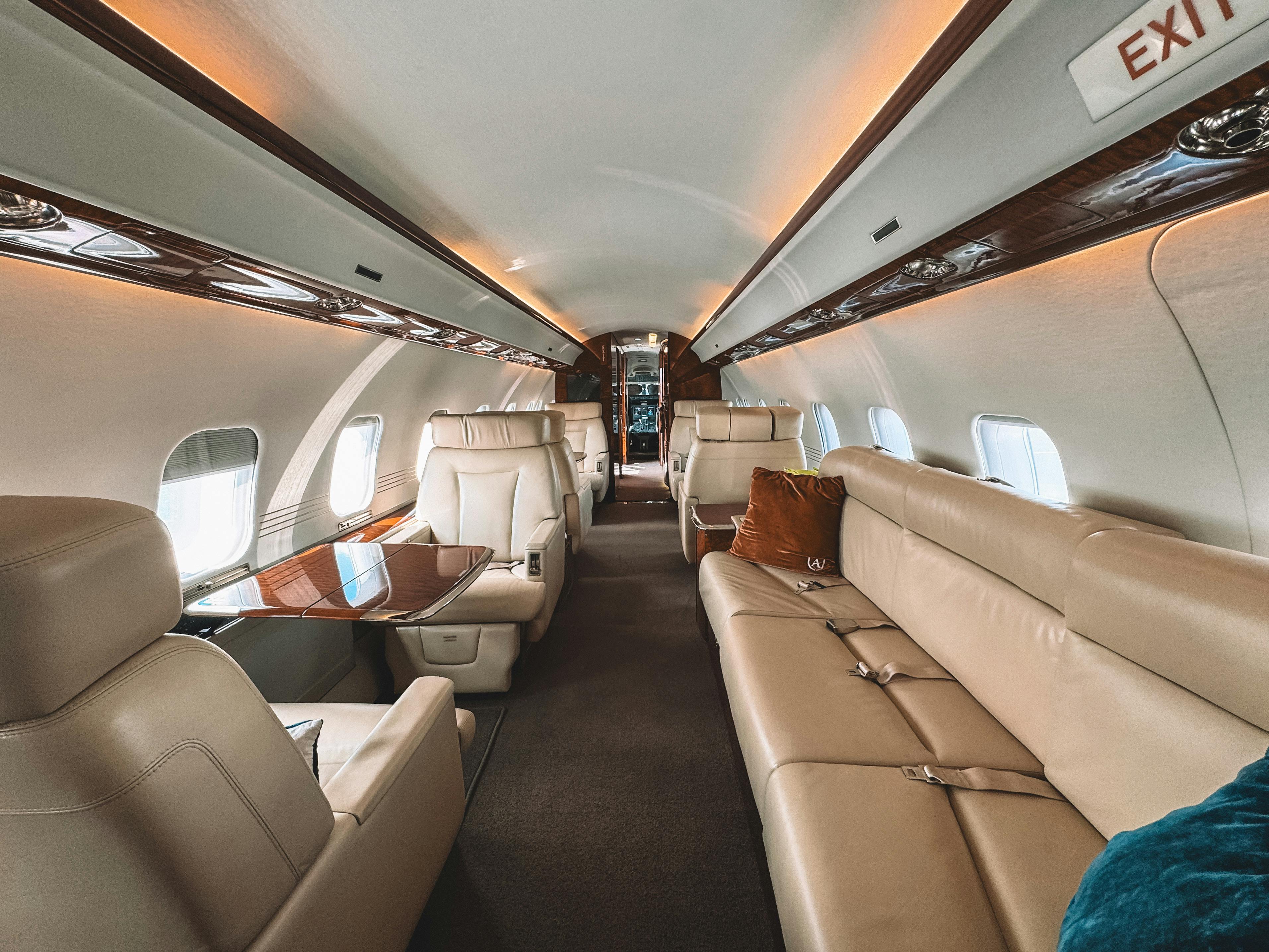
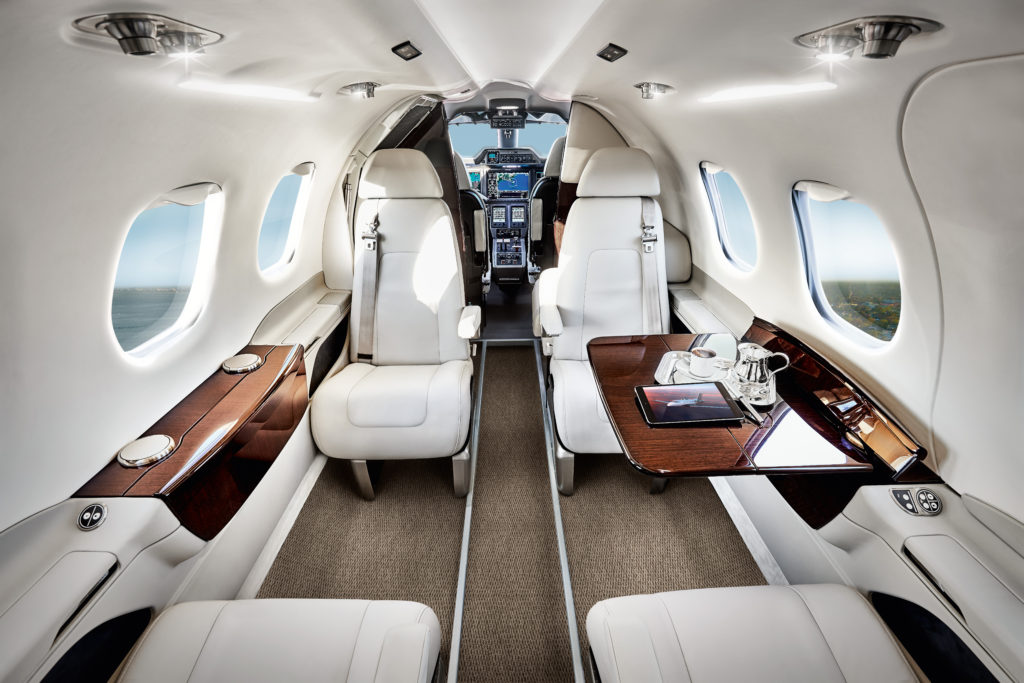
A quiet, composed cabin would help. But the returned evidence contains no validated cabin-noise measurements, dimensions or interior specification to support that part of the proposition. Leather, lighting and acoustic refinement can’t yet carry the sales argument. Access and verified mission capability come first.
Certification Remains the Decisive Milestone
Business Air News’s November 2026 coverage places Vaeridion’s EASA certification target in 2030 under CS-23 Level 3, with commercial service intended to follow. Concurrent FAA validation remains an ambition. It isn’t an approval already obtained.
The same account describes completion of a second EASA Pre-Application Contract in July 2026, involving GKN Aerospace and high-voltage electrical wiring interconnection systems. It also identifies an earlier contract covering the distributed electric propulsion architecture. The returned evidence lacks independent corroboration of that detailed chronology.
Preparatory work can clarify how a developer intends to demonstrate compliance, but it doesn’t replace the demonstration itself.
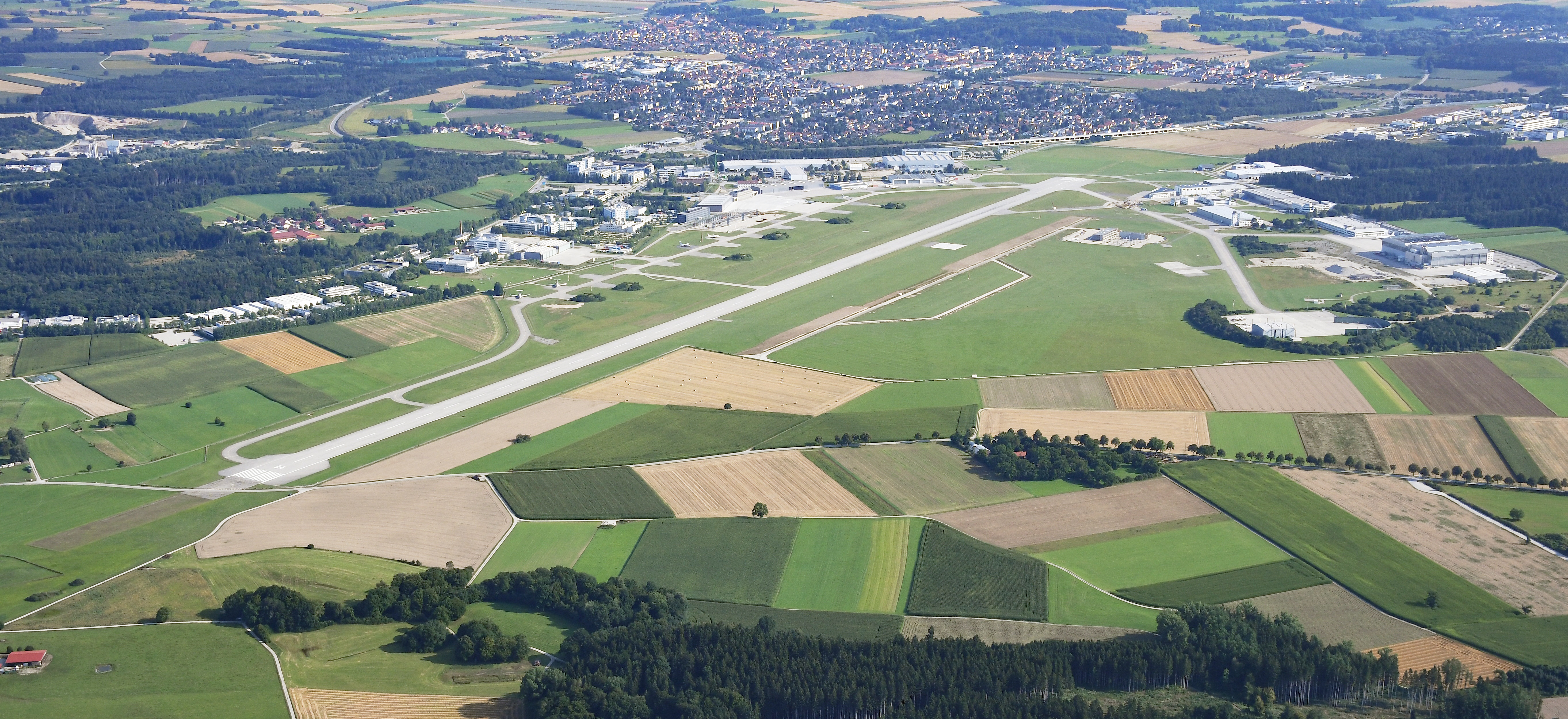
Hardware testing is the immediate story. AIN’s November 2026 coverage corroborates the opening of Vaeridion’s Oberpfaffenhofen production and test facility in March 2026. Business Air News reports that the electric engine has been powered on and describes the next integration stage: bringing battery packs and propulsion together on a ground-test rig known as the copper bird.
The test rig has a practical purpose. Integrated testing can expose interactions that isolated component tests miss, while generating evidence for the certification programme. According to Business Air News, Vaeridion has also completed development of a second-generation battery pack, with further integration and validation still ahead.
Prospective customers should keep the milestone hierarchy clear: component operation, integrated ground testing, conforming flight tests, certification, then dependable service.
Interest Is Real. Economics Remain a Target.
YPOG, an adviser to investors in the financing, reported in November 2026 that Vaeridion held commitments for more than 130 aircraft worth over €730 million. That supports the scale of commercial interest. The aggregate doesn’t establish how many aircraft carry firm, enforceable purchase obligations.
The economics remain less settled. Business Air News reports Vaeridion’s operating-cost target below €0.40 per seat-kilometre, but the returned evidence supplies no independent operating model validating that figure.
Charter buyers need more than seat-kilometre costs. Empty seats, repositioning sectors and charging downtime could materially change the economics of a particular operation, whatever the headline target suggests. A low theoretical seat cost won’t rescue an aircraft poorly matched to its schedule.
The practical test is mission fit. Operators should evaluate specific missions, demand clearly defined performance guarantees and distinguish provisional interest from contracted capacity when assessing the Microliner. Investors should separate equity received from grant funding still awaiting agreement.
Vaeridion has financed a credible next step. The premium proposition still depends on making a difficult journey feel effortless, repeatedly and at an operating cost customers can defend.
Sources
More than 21,000 small turboprops serve regional routes worldwide, and their average age is 23 years. The replacement market is substantial. Europe also lost roughly 120 regional routes in the five years before June 2026, as fuel and maintenance costs squeezed short-haul economics.
Vaeridion wants that market for its nine-seat electric Microliner. Aging aircraft and disappearing routes offer an opening, but operators need range, payload and reliability that make those connections commercially viable.
A Short-Haul Proposition for Private Aviation
The Microliner’s clearest BizAv application sits below the traditional business jet mission, on short sectors where direct access could outweigh cruise speed or a stand-up cabin.
A family office assessing transport between regional properties would approach the aircraft differently from an airline network planner evaluating a route. Can it connect the required airfields, carrying sufficient payload and reserves, when passengers actually want to travel? An uninterrupted itinerary is the attraction. Everything else follows from that.
There’s already an operator connection. AIN reported in June 2025 that ASL Group would become the Microliner’s launch customer. The European business aviation group connects the developer’s engineering ambitions with the practical demands of carrying paying passengers.
The order language needs scrutiny. Business Air News’s November 2026 account describes a firm sales and purchase agreement covering up to 10 aircraft, including a pre-delivery payment arrangement. The returned independent evidence doesn’t substantiate those precise contractual terms.
AIN’s June 2026 reporting instead supports provisional demand for more than 100 aircraft from six operators, through letters of intent, and identifies a provisional 10-aircraft ASL commitment. Neither description warrants treating that demand as an unconditional delivery backlog.
Demand offers grounds for encouragement. Contract quality remains a separate question.
Equity Builds the Aircraft; Carolus Addresses the Factory
According to Sesamers in November 2026, SHIFT Invest and Invest-NL led the financing round. Business Air News’s November coverage names existing investors World Fund, Project A and Vsquared Ventures among participants, alongside deep-tech investor Alexander Rittweger.
AIN’s November 2026 reporting puts Vaeridion’s funding raised to date at approximately €60 million, including earlier public support. The prospective Carolus grant remains separate.
Prototype development and industrialisation demand different disciplines. A conforming aircraft must embody the intended certification configuration; a production organisation must then reproduce approved aircraft consistently, using controlled processes, suppliers and inspection.
According to Business Air News in November 2026, Carolus envisages an initial assembly capacity of approximately 40 aircraft annually. Expansion into additional manufacturing locations would fall outside the project’s scope, the same account says.
Forty aircraft a year remains a target. The returned evidence offers no second-source confirmation of that rate, so buyers should treat it as a reported company industrial objective, not demonstrated throughput.
Investors face a question of sequencing. How much capital must go in before certification, and which production investments can sensibly wait until flight-test results arrive? The announced financing supports progress, but doesn’t establish the programme’s total remaining funding requirement.

Sponsored by Jet24 global
An Elegant Wing Still Needs Proven Batteries
The long, glider-inspired wing defines the Microliner’s appearance. AIN’s August 2023 coverage describes an extended wingspan intended to improve electric-aircraft range. The aerodynamic calculation is straightforward: reducing the energy spent overcoming drag leaves more available for the mission.
Business Air News’s November 2026 account describes integrated modular batteries and a multi-engine, single-propeller propulsion arrangement. The intended format remains recognisably regional. The architecture aims to electrify that aircraft format rather than create a new category of urban transport.
The range figures require closer reading. Business Air News reports company targets of 400 km with nine passengers under Instrument Flight Rules, or 550 km with four passengers under Visual Flight Rules. Earlier AIN reporting in August 2023 described range of up to 500 km without establishing an equivalent mission basis.
Those figures don’t permit direct comparison. The newer targets distinguish payload and flight rules, while the older headline supplies no matching conditions for assessing the mission. None establishes demonstrated operational performance.
What would an owner actually buy?
It’s not a maximum-range number. The useful product is a dispatchable journey that accounts for passengers, baggage, weather allowances and reserves, rather than a headline figure. Operators also need to understand charging turnaround, battery condition and what happens when an aircraft finishes its day away from base.
A quiet, composed cabin would help. But the returned evidence contains no validated cabin-noise measurements, dimensions or interior specification to support that part of the proposition. Leather, lighting and acoustic refinement can’t yet carry the sales argument. Access and verified mission capability come first.
Certification Remains the Decisive Milestone
Business Air News’s November 2026 coverage places Vaeridion’s EASA certification target in 2030 under CS-23 Level 3, with commercial service intended to follow. Concurrent FAA validation remains an ambition. It isn’t an approval already obtained.
The same account describes completion of a second EASA Pre-Application Contract in July 2026, involving GKN Aerospace and high-voltage electrical wiring interconnection systems. It also identifies an earlier contract covering the distributed electric propulsion architecture. The returned evidence lacks independent corroboration of that detailed chronology.
Preparatory work can clarify how a developer intends to demonstrate compliance, but it doesn’t replace the demonstration itself.
Hardware testing is the immediate story. AIN’s November 2026 coverage corroborates the opening of Vaeridion’s Oberpfaffenhofen production and test facility in March 2026. Business Air News reports that the electric engine has been powered on and describes the next integration stage: bringing battery packs and propulsion together on a ground-test rig known as the copper bird.
The test rig has a practical purpose. Integrated testing can expose interactions that isolated component tests miss, while generating evidence for the certification programme. According to Business Air News, Vaeridion has also completed development of a second-generation battery pack, with further integration and validation still ahead.
Prospective customers should keep the milestone hierarchy clear: component operation, integrated ground testing, conforming flight tests, certification, then dependable service.
Interest Is Real. Economics Remain a Target.
YPOG, an adviser to investors in the financing, reported in November 2026 that Vaeridion held commitments for more than 130 aircraft worth over €730 million. That supports the scale of commercial interest. The aggregate doesn’t establish how many aircraft carry firm, enforceable purchase obligations.
The economics remain less settled. Business Air News reports Vaeridion’s operating-cost target below €0.40 per seat-kilometre, but the returned evidence supplies no independent operating model validating that figure.
Charter buyers need more than seat-kilometre costs. Empty seats, repositioning sectors and charging downtime could materially change the economics of a particular operation, whatever the headline target suggests. A low theoretical seat cost won’t rescue an aircraft poorly matched to its schedule.
The practical test is mission fit. Operators should evaluate specific missions, demand clearly defined performance guarantees and distinguish provisional interest from contracted capacity when assessing the Microliner. Investors should separate equity received from grant funding still awaiting agreement.
Vaeridion has financed a credible next step. The premium proposition still depends on making a difficult journey feel effortless, repeatedly and at an operating cost customers can defend.
Sources
Frequently asked questions
- What is Vaeridion’s Microliner?
- It is a planned nine-seat electric aircraft designed for short regional routes and business aviation. Vaeridion is developing it for missions where direct connections between regional airfields are valuable.
- How far can the Vaeridion Microliner fly?
- Vaeridion’s reported targets are 400 km with nine passengers under IFR, or 550 km with four passengers under VFR. These are development targets, not demonstrated operational range.
- When is the Vaeridion Microliner expected to enter service?
- Vaeridion is targeting EASA certification in 2030, with commercial service intended to follow. The aircraft has not yet been certified, and further testing and validation are required.
Popular tags:

Batuhan Altindag
Partner of Jet24 Global
Batuhan Altindag is a Partner at Jet24 Global and a private aviation entrepreneur based in Istanbul, Türkiye. With a background in airport ramp operations and ground handling, he brings hands-on industry experience and a strong focus on seamless private aviation services.
LinkedIn